In this guide
Begin with how the door operates
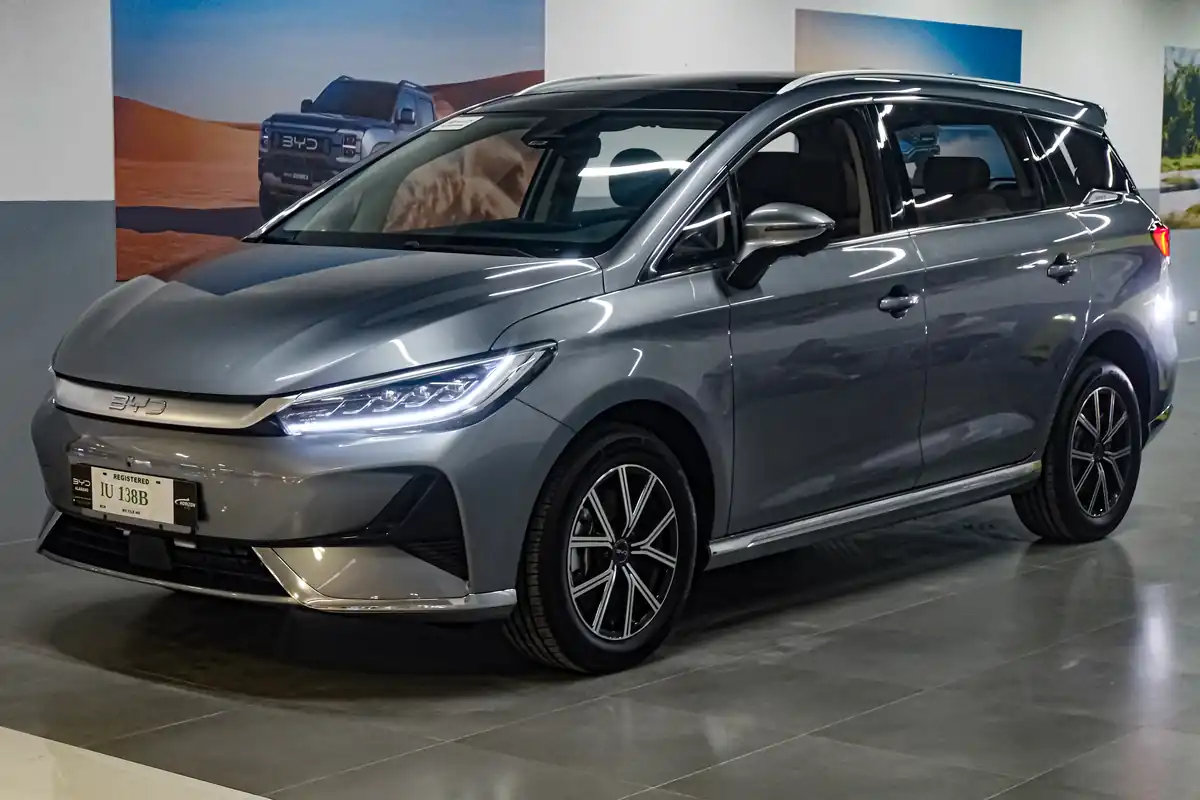
For a BYD eMAX 7 owner, a door repair concern may begin with a dent, a damaged mirror, water entry or a window that changed after an impact. Those are related observations, but they do not necessarily identify the same failed part. CarTech Hub – Multi-Brand Car Workshop, Guwahati helps organise a body-damage assessment that records the complaint and the vehicle's actual specification before a repair is proposed.
A people-carrying vehicle's door opening also needs to remain practical for its occupants. Explain which door is affected and whether opening, closing, locking or glass movement has changed. Avoid forcing a damaged mechanism repeatedly while waiting for an appointment. If the collision raises broader safety concerns, arrange appropriate specialist advice before deciding how the vehicle should be moved.
Verify EV clearance and supported work first
Qualified EV assessment and the required safety clearance must precede accident-related body work, dismantling and refinishing. Door damage does not provide a reason to ignore the rest of an impacted electric vehicle. CarTech Hub does not advertise high-voltage battery, inverter, drive-motor or charging-electronics repairs through a general body-service booking. Any electrical or safety-system requirement beyond confirmed capability needs a suitably equipped provider.
The scope should distinguish an outer-panel dent from damage to the opening, hinges, latch or other supporting area. Major deformation or side-impact concerns may require specialist structural assessment. That should be established openly before promising restoration. This article offers no high-voltage isolation instructions and does not describe insurer approval as technical clearance to begin work.
Separate the door shell from its fittings
A replacement door can mean a bare shell or an assembly with varying levels of equipment. The estimate should identify glass, seals, trim, handles, latch, window mechanism, mirror fittings and wiring that are included, inspected for reuse or proposed for replacement. A single word such as complete should not replace a component-level description.
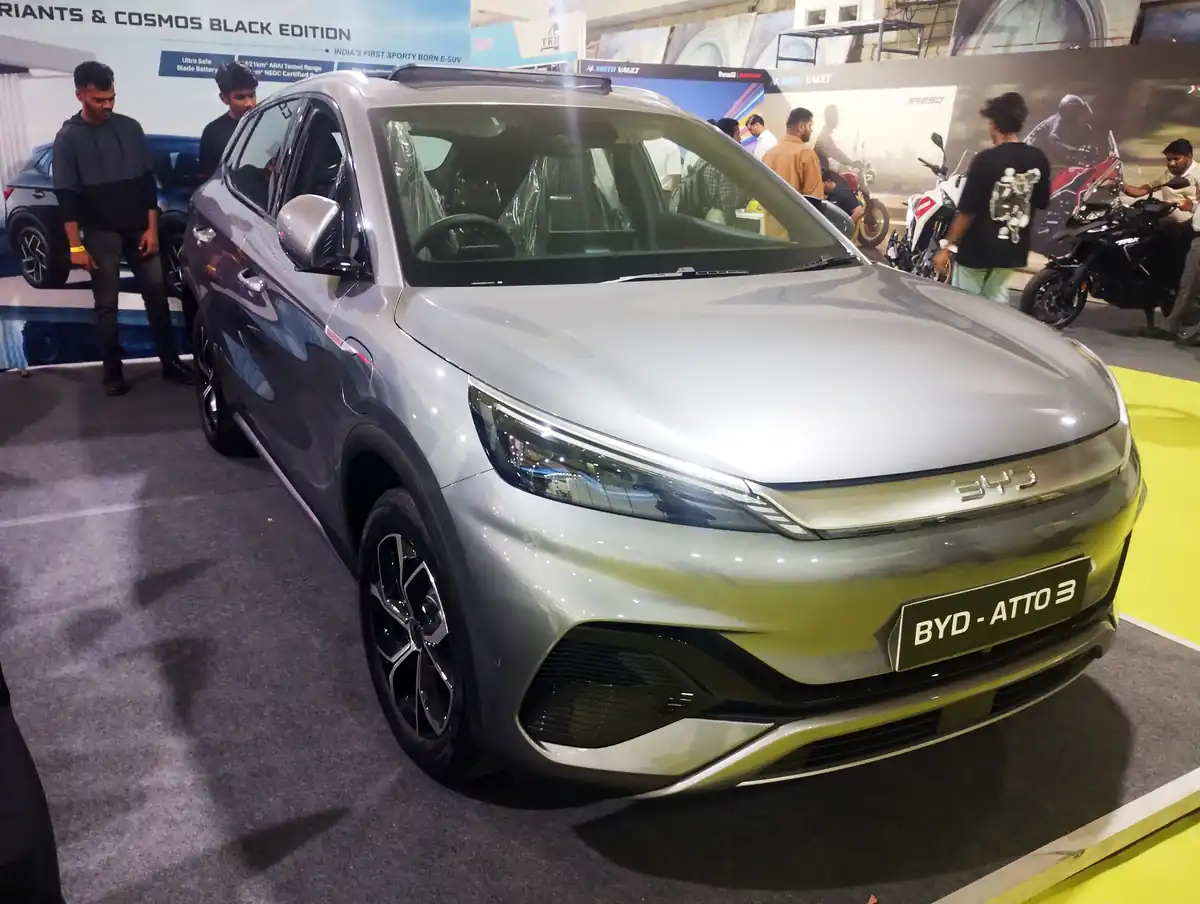
eMAX 7, ATTO 3 and SEAL door applications require their own verification. Build details, side and equipment matter; a similar exterior shape does not prove compatibility. CarTech Hub confirms the exact part requirement before making supply and price commitments. The owner should know whether a component is pending identification or procurement rather than being promised a delivery date before the supply position is established.
Choose a repair method that addresses the complaint
A surface dent on a sound panel may allow a local repair, while a distorted frame or damaged attachment area can justify a different proposal. Normal operation should not be restored by hiding an underlying fit problem with an improvised adjustment. Ask the technician to explain what can be repaired, what needs replacement and which checks will demonstrate completion of the agreed scope.
Window movement, locks, mirror attachment and weather sealing may need individual attention where affected. Equipment-specific diagnosis or calibration should be arranged only within confirmed capability. If another provider is needed, record that step in the repair plan. A good-looking painted door is not a complete answer to a window that still jams or a seal that allows water inside.
Agree on finish and manufacturer requirements
Preparation and refinishing should reflect the existing colour, adjoining panels and the actual repair method. Discuss any proposed blending and keep unrelated cosmetic improvements separate from the accident job. Record pre-existing damage so that the final insurance estimate describes the current loss accurately rather than combining several old problems.
Qualified personnel must establish the applicable manufacturer procedure and any EV-related heat or process restrictions before painting. Avoid treating a generic workshop curing routine as universal. Warranty terms and the selected repair route should be checked before authorization, while specialist or manufacturer-supported tasks should be distinguished from CarTech Hub's accepted scope. No claim of authorized BYD service status is made.
Coordinate the insurer, estimate and delivery
For a claim, provide the policy schedule, registration details, driver information, incident account and photographs. The insurer may require its form, a survey, relevant police documentation or additional evidence before deciding the approved repair method. CarTech Hub can help organise an estimate and inspection; newly exposed damage may require a supplementary submission rather than an automatic extension of the original approval.
Cashless eligibility depends on the insurer, policy, survey findings, claim authorization and confirmed workshop arrangement. All insurer relationships must be checked individually. Deductibles, depreciation, consumables and excluded items may remain customer-payable, and an EV add-on does not automatically cover every component. Technical clearance and the owner's consent remain separate from settlement arrangements.
Use BYD insurer information and the official insurer directory for the next reporting step. Book the assessment or request claim assistance. At delivery, review closure, glass, locking, seals and other agreed checks, with any remaining specialist work recorded clearly for the owner in Guwahati.
Official insurer claim channels
BYD EV policy evidence and official insurer reporting links: an ordinary motor product or general cashless arrangement does not prove EV-specific battery cover, this vehicle’s policy terms or CarTech Hub eligibility for high-voltage work.
Choose your insurer’s official claim-intimation link. Submit policy and identity information directly through the insurer’s approved channel. Its process and cashless authorization remain subject to your policy and the assessed claim.
Quick answers
Does a complete replacement door necessarily include its mirror and window mechanism?
No. Assembly contents vary, so confirm each included, reused or separately quoted fitting before ordering.
Should a door repair address water entry as well as the dent?
Yes, if water entry is part of the reported damage and accepted scope. Seals, glass movement and closure fit may require checks separate from refinishing.
Who decides whether the insurer pays for door repair or replacement?
The insurer authorizes the admissible claim scope based on the policy and assessment. The workshop explains the technical proposal, and the owner separately authorizes the work.
Vehicle and claim reference information
Use the manual for your exact vehicle and the issued insurance policy. These sources provide background and do not establish a workshop authorization or insurer tie-up.