In this guide
A door that has stopped closing normally after a collision is more than an appearance issue. On a BYD SEAL, altered panel gaps can involve a hinge, an opening, a mounting area or a more substantial body concern. CarTech Hub – Multi-Brand Car Workshop, Guwahati can discuss an accident enquiry and establish the conventional bodywork it can support after the necessary EV safety assessment. The enquiry does not promise unrestricted structural restoration or high-voltage repair.
Describe changed openings and clearances
Tell the workshop which door, bonnet or boot opening has changed and whether glass, lighting or locks also behave differently. Report impact near the floor, wheels or charging area, along with warnings and leakage. Do not force a damaged panel into position merely to make the vehicle look normal. A door that latches with extra effort is not evidence that the surrounding structure remains correctly aligned.
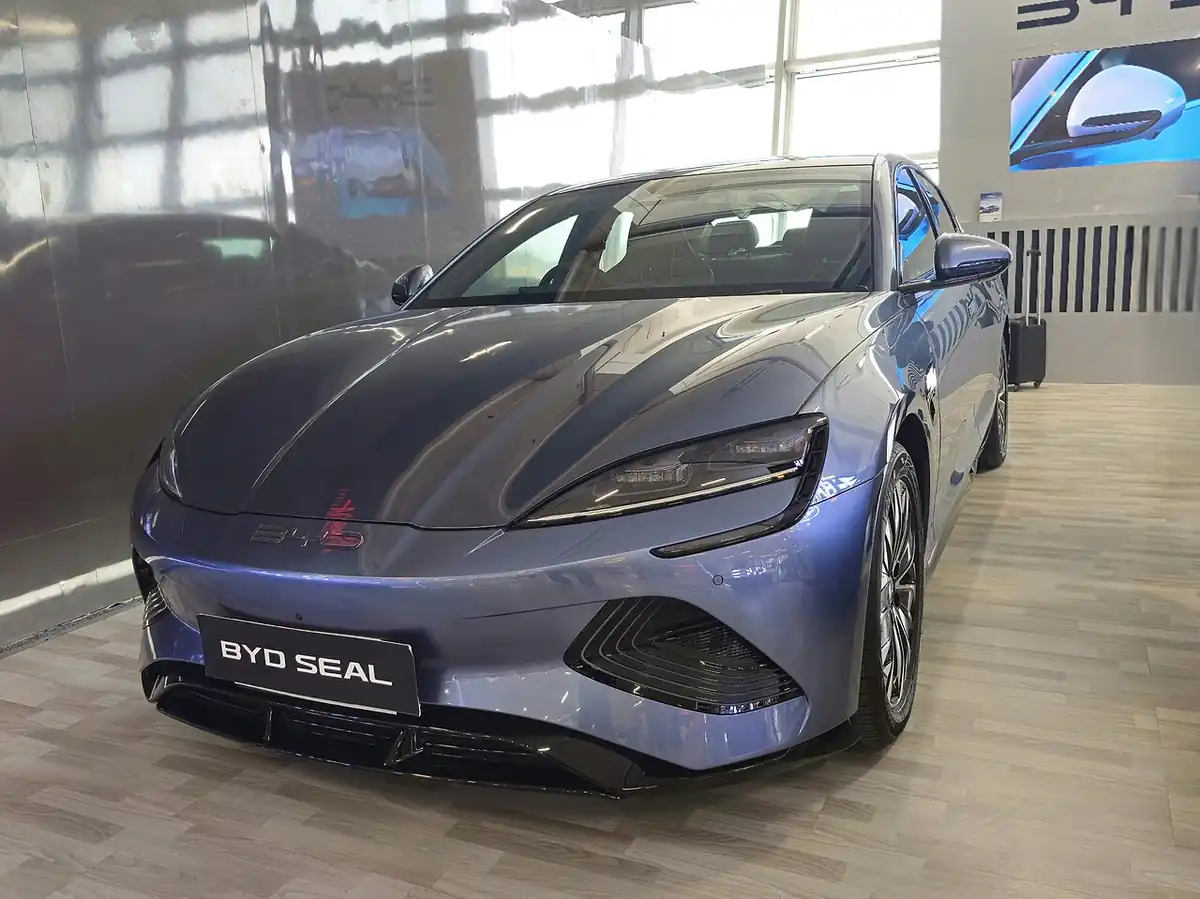
The actual model, generation and variant should be identified before parts are selected. A SEAL sedan's boot opening and body proportions differ from the tailgate arrangement of an SUV or MPV. Previous repair history and non-standard accessories can also help explain the current condition. Clear photographs support the initial record but cannot replace measurement or the technical assessment required by the damage.
Establish what caused the visible misalignment
A damaged hinge or outer panel can require a different response from distortion around a structural attachment. The estimate should explain which findings support the proposed repair and whether further measurement is needed. Mechanical alignment at the wheels is also a separate subject from body openings. A collision can require both assessments, but neither should be used as a substitute for the other.
A scan may reveal recorded electronic concerns without establishing that body structures, restraints or safety equipment are sound. Airbag work, sensor calibration, structural measurement and manufacturer-specific procedures require confirmed technical capability. If those facilities are not established, specialist referral should form part of the discussion. CarTech Hub does not claim authorization from BYD through the publication of this guide.
Account for the EV before bodywork is accepted
The underfloor energy system and high-voltage equipment affect how accident repairs must be assessed and planned. Qualified personnel determine the necessary safety clearance, lifting method and restrictions. The owner should not remove covers or attempt electrical isolation. A vehicle that powers on or has no visible orange cable damage has not thereby been certified safe for ordinary body repair.
Heat, welding, pulling and other repair methods must follow appropriate technical procedures for the exact vehicle. It is not suitable to treat a battery-adjacent area as ordinary sheet metal solely because the surface can be reached. Where the damage exceeds supported equipment or training, the correct outcome may be referral rather than a promise of in-house restoration. The customer should understand that boundary before authorizing work.
Agree panel decisions and completion checks
Limited outer-panel work, compatible hinge replacement or other supported body repairs may be possible after assessment. Significant damage to openings or structural relationships requires a more substantial technical decision. Discuss why repair or replacement is recommended, which parts have been identified and whether supplier confirmation is still pending. Price and completion timing cannot be guaranteed before the actual scope and supply position are known.
Painting follows appropriate preparation and technical restrictions rather than concealment of unresolved damage. At completion, review the agreed panel fit, opening operation, seals, lights and glass-related checks. Specialist records and any remaining advisories should accompany the handover. A smooth painted surface is one element of finishing, not proof that every structural, electrical or restraint concern has been resolved.
Document the claim before approved work begins
Notify the insurer through its official motor-claim channel, retain the reference and submit the requested RC, policy, driver details, photographs and forms. CarTech Hub can prepare an inspection-based estimate for work it supports. Survey or further specialist findings may be required for approval. Customer repair authorization is also necessary, and hidden damage may require a supplementary estimate rather than an assumption of unrestricted cover.
CarTech Hub Multi-Brand Car Workshop, Guwahati provides applicable BYD electric-vehicle accident repair and motor insurance claim assistance. Cashless repair availability is subject to insurer approval, policy terms, vehicle survey and confirmed workshop/network eligibility.
Insurance Claim Assistance Available – Cashless Eligibility to Be Confirmed. Deductibles, depreciation, non-covered accessories and unrelated previous damage can remain payable. Use Book Service or Insurance Claim Enquiry to share the changed openings and impact location. Call Now, WhatsApp, genuine Google Reviews and workshop directions help coordinate an inspection after appropriate safety and acceptance arrangements have been made.
Official insurer claim channels
BYD EV policy evidence and official insurer reporting links: an ordinary motor product or general cashless arrangement does not prove EV-specific battery cover, this vehicle’s policy terms or CarTech Hub eligibility for high-voltage work.
Choose your insurer’s official claim-intimation link. Submit policy and identity information directly through the insurer’s approved channel. Its process and cashless authorization remain subject to your policy and the assessed claim.
Quick answers
Does a changed door gap prove the entire BYD body needs replacement?
No. A hinge, outer panel, opening or structural area may be involved. The cause needs appropriate assessment before deciding the repair.
Is wheel alignment the same as body alignment?
No. Wheel geometry and body openings are different relationships, although both can require assessment after an impact.
Can a painted panel confirm that an EV is safe after structural damage?
No. Finishing cannot substitute for the relevant structural, electrical and safety-system assessments and documented completion checks.