In this guide
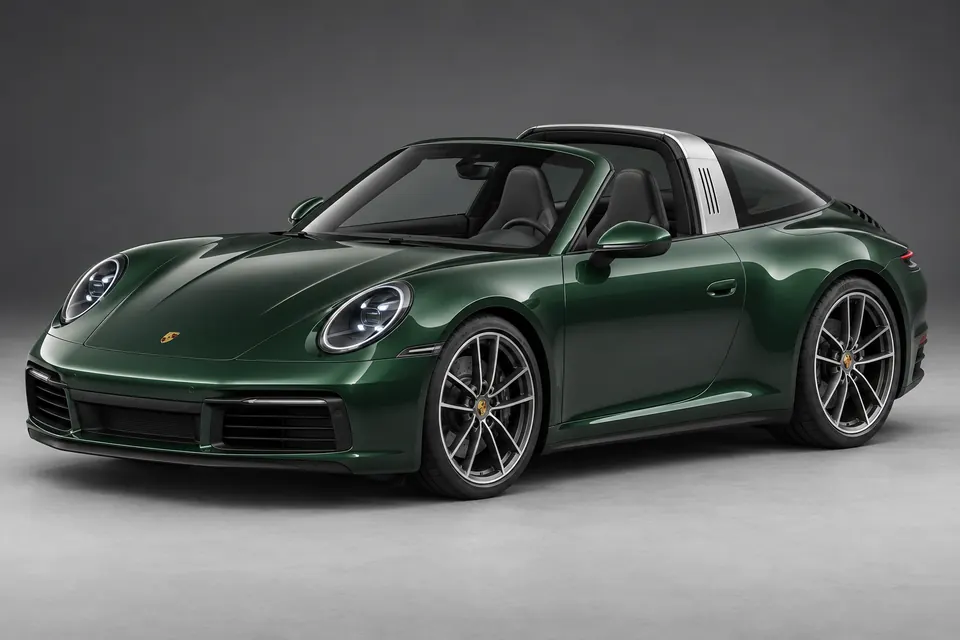
A Porsche 911 Targa accident can affect an unusual combination of roof structure, rear glass and body interfaces. Its repair estimate should identify the particular Targa generation and explain why each affected component needs repair, replacement or specialist examination. CarTech Hub – Multi-Brand Car Workshop, Guwahati, Assam provides supported accident inspection, parts enquiries, estimate preparation and motor-insurance assistance within an accepted vehicle-specific scope.
Begin with generation and safe handling
Record the VIN, model year, derivative, transmission and relevant modifications. An earlier panel-roof or glass-roof Targa differs from a modern 991 or 992 powered-roof arrangement. A roof illustration is not evidence of the customer's installed mechanism. Declare previous roof, glass or body work so new damage can be assessed against the actual condition.
Do not operate an impacted roof or moving-glass assembly merely to demonstrate whether it still works. Broken glass, distorted mounts or affected mechanisms can create additional danger. Arrange suitable protection and recovery where necessary, particularly with compromised steering, wheels, braking, significant leakage or serious warnings. Any affected electrified equipment needs the applicable qualified safety process before body, mechanical or paint operations.
Roof bar, glazing and mounting areas
Inspect the relevant roof panel, bar-related structure, trim, seals, latches and operating components according to generation. A mark on a decorative surface and distortion of a load-bearing or mechanism mounting area require different decisions. Cosmetic repair cannot establish correct geometry or safe movement. Specialist structure or roof-mechanism work must be separately accepted rather than assumed available.
Modern rear-glass assemblies and their movement interfaces require precise identification after a rear or side impact. Check hinges, drives, mounts, seals and wiring where affected. Glass replacement should follow the correct installation and operation procedure, not a generic hatchback or Cabriolet approach. If the accident changes roof operation, preserve the warning and sequence of symptoms before diagnostic information is cleared.
Side-body damage and sealing
Door, mirror, quarter-panel, sill and glass damage may extend into hinges, latches or the surrounding openings. Assess closure, alignment and mounting condition before deciding that an outer panel alone needs work. A seal that leaks after repair may reflect distorted glass or body geometry rather than a defective new seal.
Repair versus replacement depends on material, deformation, location, attachment integrity and permitted manufacturer methods. Aluminium, mixed-material and structural joints need the right capability and protection against corrosion. Do not promise general pulling or welding on an unidentified Targa structure. The estimate should show any required specialist measurement or safety-related stage before denting and painting are approved.
Front and rear impact paths are different
The front luggage lid, bumper, brackets, lamps and fenders need inspection alongside the affected supports. On applicable water-cooled cars, front radiators, AC condensers, fans and hoses may be damaged behind the outer cover. A cooling leak needs its actual source identified and connected to the event, not automatically labelled an engine failure.
Rear impact can affect the bumper, engine-cover area, exhaust, lights, powertrain supports and the Targa-specific rear-glass arrangement. Check aerodynamic equipment where fitted. Confirm body width, engine and derivative when sourcing parts; a 911 Coupé donor description does not establish compatible Targa glass or trim. Internal engine, transmission and active-system work require technical acceptance as well as insurer coverage.
Wheels, driven axles and safety equipment
A wheel strike can affect the rim, tyre, hub, bearing, suspension arm, joint, steering or braking components. Assess those parts before alignment. Modern Targas typically combine all-wheel drive with generation-specific control equipment, while older cars need independent identification. Do not assume a fresh vibration means internal AWD damage without examining tyres, shafts, joints and mounts.
The fitted conventional or PCCB brake system controls the inspection and parts method. PASM is damping control rather than air suspension; any lift, rear steering or other active equipment needs its appropriate assessment. Cameras, parking equipment, airbags and belts must be identified as actually fitted. Arrange required specialist calibration or safety checks after affected glass, bumper, suspension or structural work. Suppressing warnings cannot replace those steps.
Document parts selection and paint work
A useful estimate separates roof and glass operations, exterior repair, replacement components, mechanical investigations and any specialist stage. Photographs, relevant measurements and diagnostic findings should explain why the proposed work is necessary. Further event damage found during authorised dismantling can require a supplementary estimate and renewed approval.
Check VIN, generation and specification before ordering roof seals, glazing, lamps, brackets, panels or drivetrain parts. Confirm availability, condition, supply terms and delivery timing instead of promising immediate completion. Denting and painting should follow the accepted material repair, preparation, sealing and finishing method. Colour matching is one completion element, not proof that the roof and safety systems are correct.
Claim registration and cashless eligibility
The insurer's verified official motor claim-intimation destination is the route for registration. Keep the reference and provide the policy, vehicle details and accident information requested. A workshop insurance enquiry helps arrange assistance but does not register the insurer claim. Survey and prior approval requirements may affect when dismantling and repairs can begin.
Cashless processing remains dependent on the policy, assessed event, insurer approval and confirmed workshop or network eligibility. The insurer's name in a directory is not proof of automatic cover for this Targa. Deductibles, depreciation, exclusions and non-payable costs may remain customer responsibilities. Routine roof care, older leakage and normal mechanical wear are not automatically insured accident work.
At completion, review relevant roof and glass function, sealing, closures, lighting, mechanical safety and specialist results. Clarify outstanding items and separately authorised customer work before delivery. Provide photographs, identification details and roof symptoms when booking so inspection can start with the correct configuration and claim circumstances.
Porsche accident repair, claim assistance and cashless eligibility
CarTech Hub – Multi-Brand Car Workshop, Guwahati provides accident-repair services for supported Porsche models and motor insurance claim assistance. Cashless repair availability is subject to insurer approval, policy terms, vehicle survey and confirmed workshop or network eligibility.
The issued policy and insurer-approved estimate determine the covered accident repairs. Applicable deductibles, depreciation, exclusions and other non-covered charges may remain payable by the customer. A cashless arrangement does not make routine maintenance, normal wear or every mechanical failure an insured accident claim.
CarTech Hub is a multi-brand car workshop in Guwahati providing applicable servicing and repairs for supported Porsche vehicles. Work can include periodic maintenance, diagnostics, brake and suspension service, compatible parts replacement, denting and painting, accident assessment and motor insurance claim assistance, after the vehicle and accepted scope are checked.
CarTech Hub – Multi-Brand Car Workshop, Guwahati operates independently; manufacturer authorisation is not claimed.
Official insurer claim channels
Register a motor claim through the official insurer directory. CarTech Hub’s insurer tie-ups are confirmed; the issued policy, assessed accident and insurer approval determine this customer’s covered repair.
Choose your insurer’s official claim-intimation link. Submit policy and identity information directly through the insurer’s approved channel. Its process and cashless authorization remain subject to your policy and the assessed claim.
Quick answers
Should a damaged Targa roof be cycled before the survey?
Avoid operating impacted roof or glass equipment until the appropriate assessment establishes that it is safe. Preserve symptoms and photographs, and follow insurer instructions about inspection and dismantling.
Why does rear-glass damage need a Targa-specific estimate?
Glazing, mountings, seals and roof-operation interfaces vary across Targa generations and differ from Coupé or Cabriolet arrangements. Correct identification affects both repair method and parts supply.
Does a new roof leak automatically qualify for accident insurance?
The insurer assesses whether it resulted from the insured event and falls within policy coverage. Earlier leakage, maintenance needs and unrelated failures are not automatically covered.
Vehicle and claim reference information
Use the manual for your exact vehicle and the issued insurance policy. Manufacturer references explain vehicle information; CarTech Hub’s cashless arrangements are confirmed separately. They do not establish manufacturer authorization or specialist technical capability.