In this guide
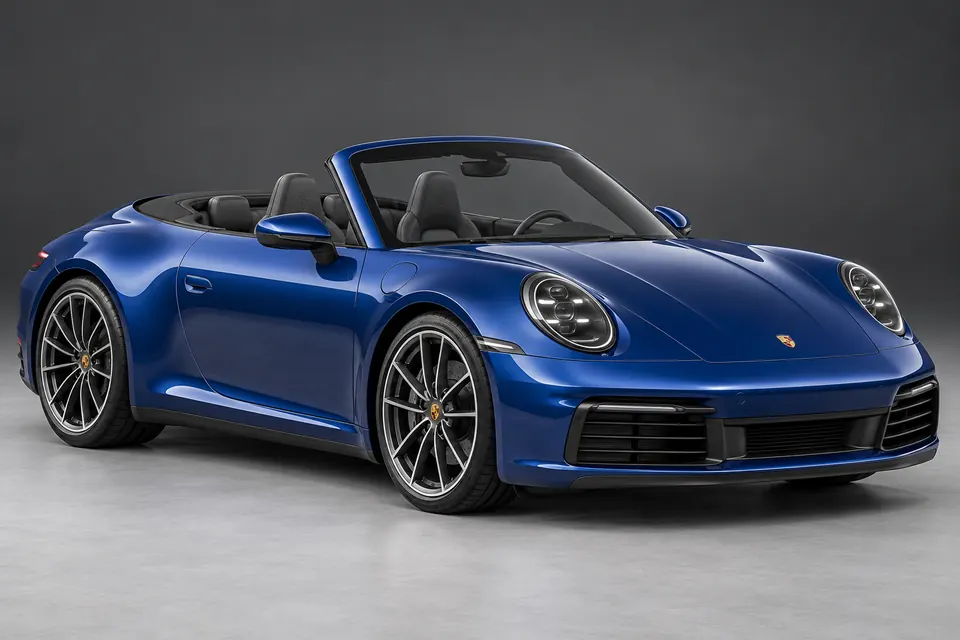
A scrape on a Porsche 911 Cabriolet and a collision that changes how its roof closes are different repair problems. An estimate should explain which damage is cosmetic, which affects openings or mechanisms, and which needs specialist examination. CarTech Hub – Multi-Brand Car Workshop, Guwahati, Assam supports accepted accident assessment, parts identification, estimates and motor-insurance coordination without assuming every open-top vehicle can be repaired through one process.
Protect occupants and document the specific Cabriolet
Arrange recovery rather than drive with restraint warnings, damaged steering or braking, unstable wheels, significant leaks or an insecure roof. Keep the vehicle protected from further weather exposure using an appropriate safe arrangement. Do not force a roof closed against damaged glass, distorted mountings or an unknown obstruction. Advise the recovery and assessment teams of low ground clearance and any affected electrified equipment.
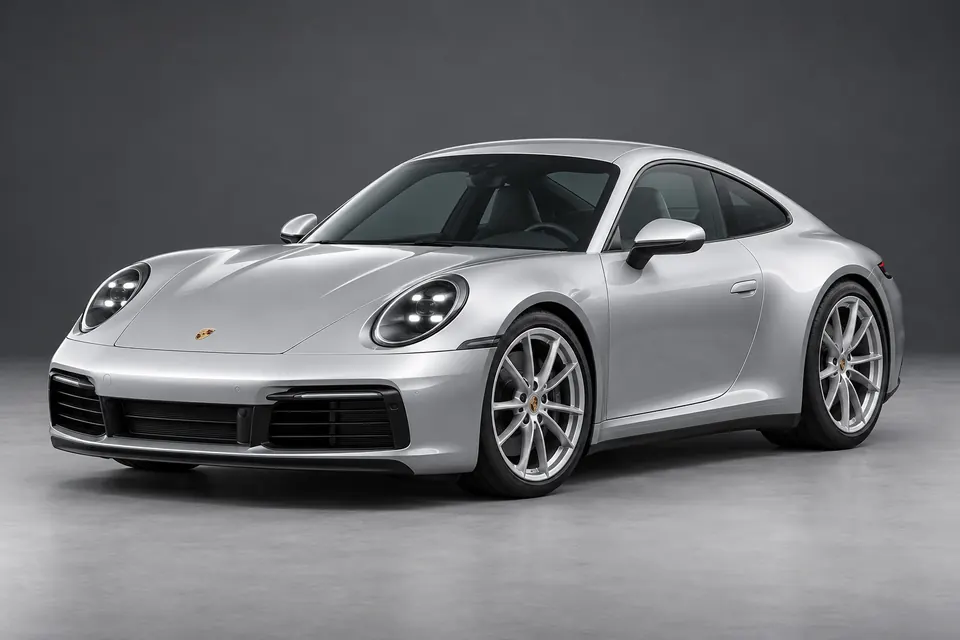
Provide the VIN, generation, body configuration, engine, transmission and relevant earlier repairs. Carrera and Turbo body dimensions, roof systems and equipment can vary across years. A fixed-roof 911 picture or parts reference does not identify a Cabriolet repair method. Current India Coupé availability is also separate from the provenance and specification of an owned Cabriolet.
Examine the roof system with the surrounding body
Check roof fabric, frame, hinges, latches, operating components and accessible electrical connections where affected. A torn outer cover is not the same as distorted mechanism geometry. Inspect windshield-frame areas, glass interfaces and the relevant body openings before proposing a roof adjustment or assembly replacement. The permitted repair method and qualified capability determine what can be accepted.
If the roof warning appeared only after the accident, preserve that information and describe its sequence. A motor sound does not establish that the motor is the failed component. Damaged sensors, mounts, wiring, hydraulic elements or obstructions may need investigation. Specialist roof diagnosis or rebuilding should be a visible stage of the estimate, not an unqualified promise hidden inside a paint charge.
Side impact, glass and sealing after repair
A side impact can affect door skins, hinges, latches, mirrors, side glazing, sill areas or rear-quarter zones. Evaluate mounting integrity and closure behaviour rather than simply pulling a visible dent outward. Glass that no longer meets the seal correctly may reflect damage beyond the window itself. Cabriolet door and roof interfaces must be checked against the correct generation.
Windshield work can involve fitted cameras or other equipment; identify it and arrange any required specialist calibration. Restraints and rollover-related safety equipment, where fitted, require the applicable process after a relevant event. Painting, a quiet warning display or a roof that moves once does not establish completion of these checks. Safety functions must not be bypassed to make the car appear ready.
Front cooling and rear-engine areas
At the front, inspect the bumper, luggage lid, lamps, fenders, brackets and affected supports. On water-cooled versions, damage can reach radiators, AC condensers, fans, hoses or related lines. Separate leakage caused by the event from an earlier cooling concern. Front-panel gaps or latch trouble should prompt assessment of the supporting areas before finishing work.
At the rear, inspect engine-cover fittings, bumper, lights, exhaust, mounts and relevant powertrain access areas according to the impact. Identify spoiler or active aerodynamic equipment individually. T-Hybrid versions, where applicable, need appropriate qualified safety assessment if electrical equipment could have been affected; they are not E-Hybrid plug-in cars. Structural joining, composites, internal driveline work and hybrid repairs require confirmed specialist arrangements.
Tyres, wheels, brakes and chassis
A kerb strike or wheel impact can damage a rim, tyre, hub, bearing, arm, joint, steering or brake component. Alignment alone cannot establish the condition of those parts. Verify tyre sizes and whether specialist centre-lock handling is required on the actual derivative. PASM, lift equipment and any active chassis features need their correct checks rather than a generic air-suspension description.
Brake material changes the assessment. A fitted PCCB ceramic disc needs compatible inspection and replacement procedures; conventional steel-disc methods must not be assumed suitable. Record existing tyre wear, older noises and prior modifications separately. Insured event damage and unrelated maintenance should remain understandable to the owner and surveyor.
Parts, denting, painting and estimate preparation
The estimate should distinguish repairable panels, approved replacements, roof work, glass, mechanical investigation and outside specialist stages. Use photographs, measured findings and supported diagnosis to explain decisions. Panel material, damage location, attachment condition and manufacturer procedures control repairability. Suitable preparation, protection and sealing matter as much as the final colour.
Identify seals, glass, trim, roof components, lamps and body panels by VIN, generation and equipment. Supply options, condition, delivery time and cost need confirmation before ordering. Do not treat every Cabriolet roof assembly as compatible or promise immediate availability. If dismantling reveals further event damage, preserve evidence and seek the additional approval required rather than adding it automatically to an earlier estimate.
Official claim intimation and customer costs
Register through the insurer's official motor claim-intimation destination and keep its reference. The workshop insurance enquiry form does not perform that registration. Submit the issued policy, vehicle information and documents requested, then coordinate the survey and estimate review before work that requires prior approval.
Cashless processing depends on insurer approval, policy terms, assessment and confirmed workshop or network eligibility. Deductibles, depreciation, exclusions and other non-covered amounts can remain payable. A weathered roof, routine seals, ordinary wear or an unrelated roof failure is not automatically covered because another panel was damaged in an insured accident.
Final inspection should address roof operation through the applicable safe procedure, closure and glass interfaces, sealing, lights and the affected mechanical and safety systems. Clarify any outstanding specialist stage before delivery. Share photographs, build information, roof symptoms, insurer and claim reference when booking so the repair and claims route starts with an accurate picture.
Porsche accident repair, claim assistance and cashless eligibility
CarTech Hub – Multi-Brand Car Workshop, Guwahati provides accident-repair services for supported Porsche models and motor insurance claim assistance. Cashless repair availability is subject to insurer approval, policy terms, vehicle survey and confirmed workshop or network eligibility.
The issued policy and insurer-approved estimate determine the covered accident repairs. Applicable deductibles, depreciation, exclusions and other non-covered charges may remain payable by the customer. A cashless arrangement does not make routine maintenance, normal wear or every mechanical failure an insured accident claim.
CarTech Hub is a multi-brand car workshop in Guwahati providing applicable servicing and repairs for supported Porsche vehicles. Work can include periodic maintenance, diagnostics, brake and suspension service, compatible parts replacement, denting and painting, accident assessment and motor insurance claim assistance, after the vehicle and accepted scope are checked.
CarTech Hub – Multi-Brand Car Workshop, Guwahati operates independently; manufacturer authorisation is not claimed.
Official insurer claim channels
Register a motor claim through the official insurer directory. CarTech Hub’s insurer tie-ups are confirmed; the issued policy, assessed accident and insurer approval determine this customer’s covered repair.
Choose your insurer’s official claim-intimation link. Submit policy and identity information directly through the insurer’s approved channel. Its process and cashless authorization remain subject to your policy and the assessed claim.
Quick answers
Can a Cabriolet roof be forced closed after collision damage?
No. Distorted glass, latches, mounts or mechanism parts may make operation unsafe or worsen damage. Protect the vehicle appropriately and arrange qualified assessment.
Will accident insurance automatically replace an already worn soft roof?
No. The policy and event assessment determine coverage. Earlier deterioration, normal wear or an unrelated roof fault must be distinguished from damage caused by the insured event.
Why should glass alignment be checked after a Cabriolet door repair?
The door glass meets the roof and weather-sealing system. Damage to hinges, guides, the door or its opening can affect sealing and operation even after the painted surface looks correct.
Vehicle and claim reference information
Use the manual for your exact vehicle and the issued insurance policy. Manufacturer references explain vehicle information; CarTech Hub’s cashless arrangements are confirmed separately. They do not establish manufacturer authorization or specialist technical capability.