In this guide
Identify the E-Class body before preparing accident costs
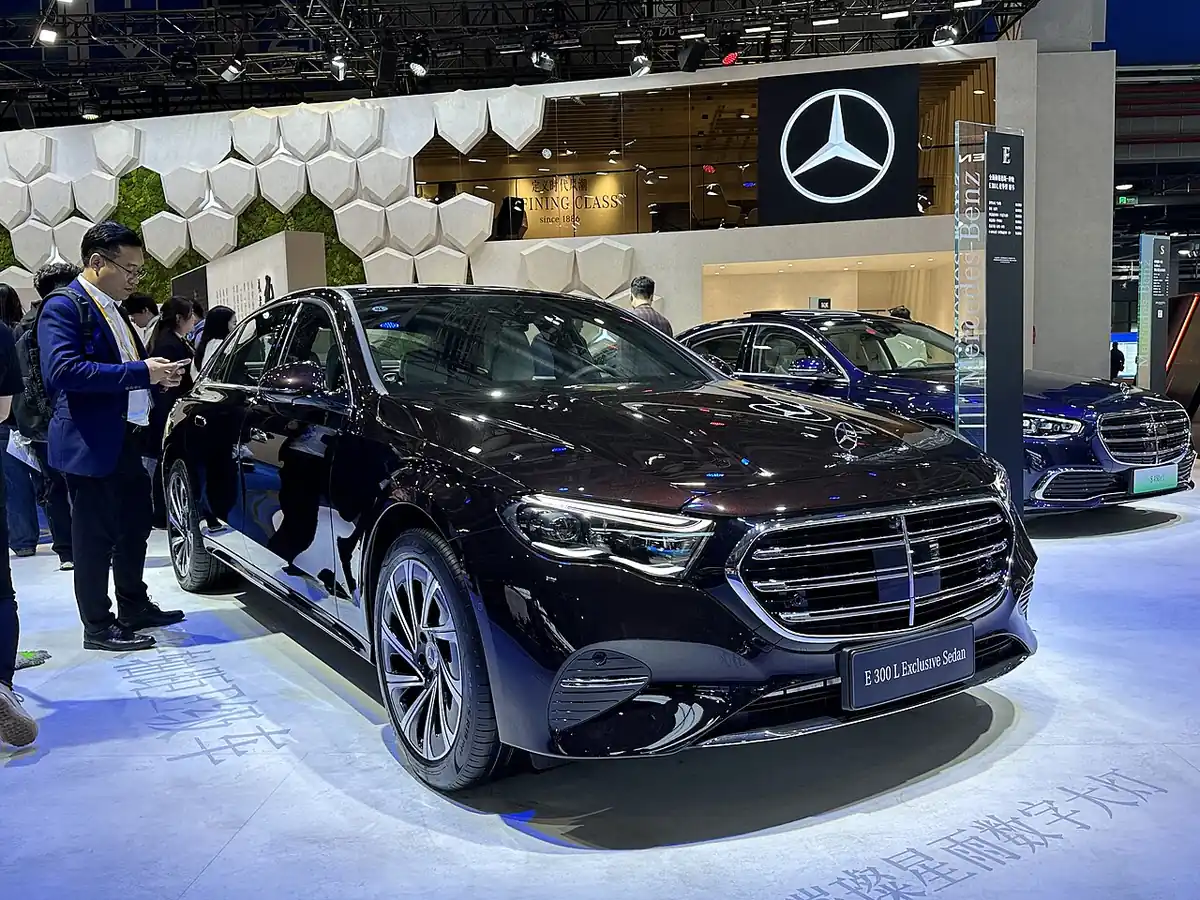
The E-Class name covers different generations and body lengths. For an Indian long-wheelbase car, the vehicle identity matters to a door, trim, glass or structural-area enquiry. CarTech Hub – Multi-Brand Car Workshop, Guwahati starts with the VIN, registration, manufacturing details and photographs. Keep current LWB and earlier E-Class information connected to the actual car rather than using an overseas image as fitment proof.
Explain the incident and disclose any previous repairs. If there are braking, steering, wheel or warning concerns, discuss safe recovery before driving in. The workshop accepts only supported work; advanced suspension, electrified-system, restraint, calibration or structural requirements may need a qualified specialist route.
Document outer panels and the areas behind them
A damaged door can involve hinges, locks, glass, wiring or the surrounding opening. A front impact may include lamp supports and cooling components, while a rear event may affect the boot, bumper fittings and related equipment. These findings should be separated in an inspection instead of assuming that visible paint damage describes the whole accident.
Photographs help preserve the condition before repairs or parts disposal. Additional findings may need measurement, technical information or specialist assessment beyond the initial visual estimate. This guide does not promise airbag-system restoration, proprietary programming, driver-assistance calibration or structural certification. Ask what has been inspected, what remains uncertain and which work requires another qualified provider.
Make fitment and repair reasoning visible in the estimate
Generation, wheelbase and installed equipment should guide E-Class body parts. A similar-looking overseas panel may have a different application. Lamps, mirrors, glass, bumper covers, supports, mouldings and fasteners should be identified separately where relevant. Mechanical damage around a wheel or cooling area also needs its actual component reference, rather than a generic saloon parts list.
The proposal should explain which pieces can be repaired, which require replacement and why. Suitable repair information and workshop capability govern that decision alongside the damage. Availability, price and delivery dates require confirmation; the estimate may change as inspection progresses. A parts quotation does not establish insurer approval for every item.
Prepare documents and arrange the required survey
Intimate the claim through the insurer's official facility and retain the reference. Registration and policy records, applicable driver details, incident photographs and the workshop estimate commonly support the process. The insurer may request further circumstances-specific documents and controls the final checklist. Tell the company about any relevant previous repair or equipment change rather than relying on a standard form alone.
CarTech Hub can assist with applicable repair estimation and coordination in Guwahati. The surveyor or insurer may need access to the vehicle, additional photographs or clarifications before issuing a decision. A completed inspection is not the same as approved repair authorization. Clarify which items are accepted before work moves beyond the agreed assessment stage.
Track approval, hidden findings and completed work
Once the relevant insurer approval and customer authorization are in place, the accepted repair scope can be scheduled subject to parts and capability. If further damage appears during the agreed process, document it and request the necessary supplementary decision. Keep proposed changes separate from the original approved estimate so the owner understands any timing or payment implications.
Record specialist referrals and required checks rather than presenting painted panels as proof that every safety function is restored. Final inspection and claim documents should reflect the actual work undertaken. The procedure can vary with the insurer, policy and nature of the accident, and no fixed completion period is guaranteed by this guide.
Review deductions and connect to the right follow-up
Policy deductibles, depreciation, exclusions and non-payable items may remain due from the customer. Zero-depreciation or another add-on must be checked against its wording and limits. Identify unrelated maintenance, earlier wear and optional cosmetic improvement separately from accident-attributed work. Ask for approved, pending and owner-payable figures to be explained before extra expenditure is authorized.
The E-Class service guide supports maintenance questions, while the official insurer directory provides claim-intimation links. Book an enquiry, call or WhatsApp CarTech Hub with the registration, policy and incident details. Confirm workshop directions and safe vehicle delivery. A listed insurer name is information for the customer, not evidence of a confirmed cashless partnership or a promise that the claim will be approved.
CarTech Hub Multi-Brand Car Workshop, Guwahati provides applicable Mercedes-Benz vehicle accident repair and motor insurance claim assistance. Cashless repair availability is subject to insurer approval, policy terms, vehicle survey and confirmed workshop/network eligibility.
Official insurer claim channels
Mercedes-Benz policy evidence and official claim channels: a general motor policy or an EV product page does not prove acceptance of this premium vehicle, approved parts, battery cover or CarTech Hub cashless eligibility. Confirm registration, declared use, insured value and repair scope with the insurer.
Choose your insurer’s official claim-intimation link. Submit policy and identity information directly through the insurer’s approved channel. Its process and cashless authorization remain subject to your policy and the assessed claim.
Quick answers
Why does wheelbase matter to an E-Class accident parts estimate?
Body length and generation can affect doors, glass, trim and other components. The VIN and actual configuration should establish the correct application.
Can a survey visit be treated as permission to begin every repair?
No. Obtain the relevant insurer decision and customer authorization for the accepted scope. Survey findings and authorization are different stages.
Should optional cosmetic improvement be included as accident damage?
No. Keep accident-attributed work, prior condition, maintenance and customer-requested cosmetic items clearly separated for the insurer and owner.
Vehicle and claim reference information
Use the manual for your exact vehicle and the issued insurance policy. These sources provide background and do not establish a workshop authorization or insurer tie-up.