In this guide
Describe the A-Class Limousine damage accurately
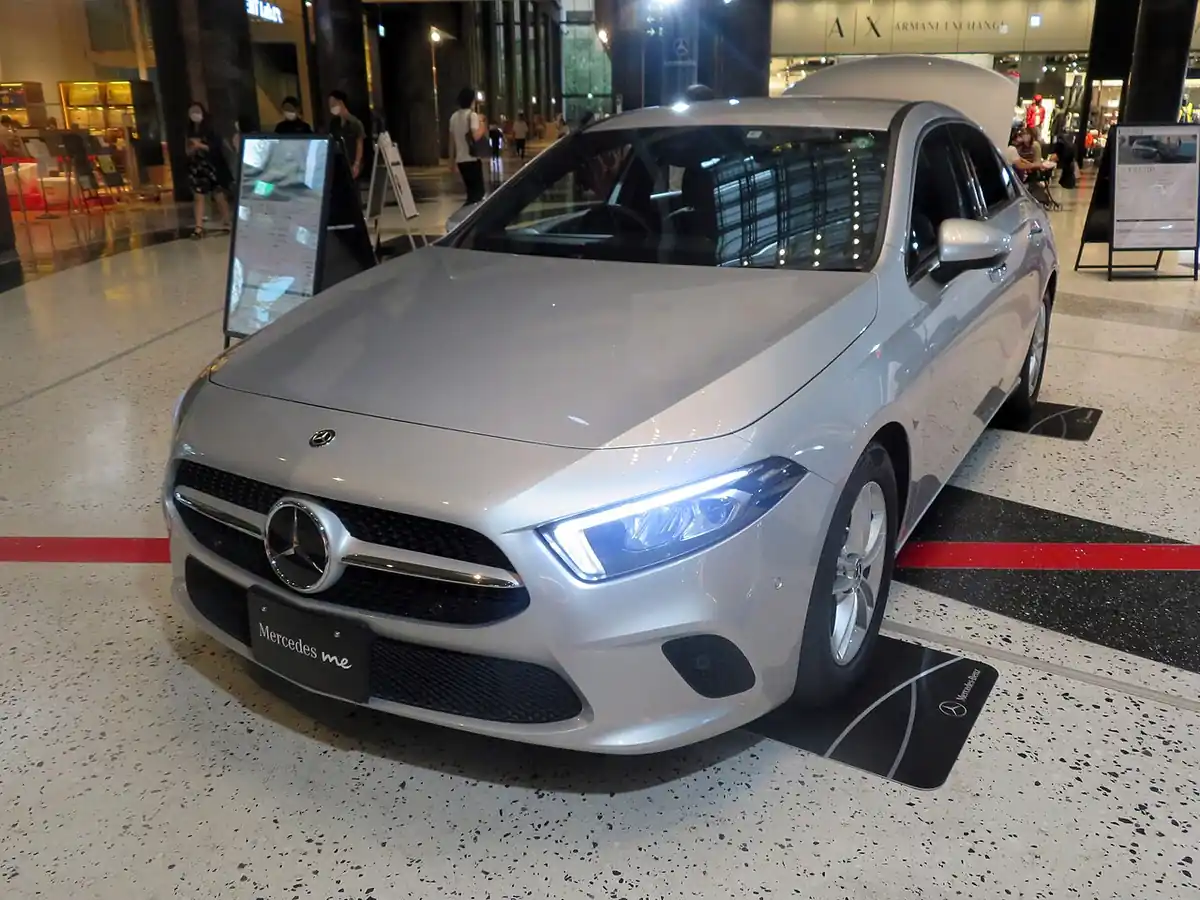
The first accident enquiry should identify the saloon and its production details before discussing a bumper, lamp or repair method. An A-Class Limousine is not interchangeable with every A-Class body style. CarTech Hub – Multi-Brand Car Workshop, Guwahati asks for the registration, VIN, incident description and clear photographs. State whether the car can steer, brake and roll normally; a damaged vehicle may require suitable recovery instead of a workshop drive.
Disclose prior repairs and the location of the new impact. That helps separate accident findings from existing marks, wear or earlier damage. The workshop accepts only a scope supported by its facilities and expertise, with specialist referral considered before work begins.
Inspect beyond the saloon's outer panels
A front bumper mark may be accompanied by broken brackets, lamp mounts or cooling-area damage. A side impact can affect a door, its opening, mirror, glass or wheel area. Rear damage requires attention to the boot opening and associated supports rather than a paint quotation alone. Photographs establish useful evidence, but they do not reveal every concealed finding.
Steering, brakes, suspension, warning messages and restraint-system concerns need an appropriate assessment. This page does not advertise structural certification, airbag repairs, driver-assistance calibration or proprietary Mercedes-Benz programming. Where such work is necessary, establish a qualified route and an agreed scope rather than treating a new panel as completion of every safety repair.
Explain repair or replacement through fitment and condition
An estimate should distinguish the cosmetic cover from its brackets and supports. Headlamps, ORVMs and glass can have equipment-specific functions and connectors; the cheapest similar-looking item may not be suitable. Production details and the existing component should guide compatibility. Identify trim, mouldings, seals and required fasteners where these affect restoration of the actual saloon.
Ask what can be repaired and why replacement is proposed where necessary. The chosen process should follow appropriate repair information, surface condition and accepted workshop capability. Availability, price and delivery time require supplier confirmation. A tentative estimate should make clear which items are confirmed and which depend on further inspection or insurer review.
Organize claim intimation and documents before authorization
Use the insurer's official claim-intimation facility and keep the reference number. Policy and registration details, relevant driving-licence information, incident photographs and the repair estimate are common starting points. The insurer determines the final document checklist and may ask for additional incident-specific records. Share accurate circumstances rather than assuming a universal online form proves admissibility.
CarTech Hub can help coordinate an applicable inspection and estimate. The insurer or surveyor may inspect the vehicle or request more evidence before deciding which items are admissible. Do not confuse a workshop quotation, claim reference or document acknowledgment with repair authorization. Ask for clarity on approved work before dismantling or repair proceeds beyond the agreed stage.
Follow a documented repair and approval sequence
First, record the vehicle identity and damage. Next, intimate the claim and arrange the required survey or inspection. Submit an itemized proposal identifying the affected panels, lamps, supports and other findings. Once the insurer gives the relevant approval and the customer authorizes the accepted scope, the approved work can be scheduled subject to parts and workshop capability.
If further damage is found after opening the affected area, photograph it and seek the appropriate supplementary decision before adding work. Keep progress, parts changes and any specialist referral documented. At completion, carry out the accepted final checks and submit the required claim paperwork. This sequence may vary with policy, insurer and accident circumstances; it is not a promise of a fixed repair duration.
Understand the customer share and book the next step
Deductibles, depreciation, exclusions and non-payable items may remain the owner's responsibility. An add-on should be checked against the issued policy rather than treated as a blanket promise that every repair expense is covered. Ask for approved, pending and customer-payable amounts to be explained before accepting additional work. Cosmetic improvement unrelated to the incident should be identified separately.
Use the paired A-Class Limousine service guide for maintenance questions and the insurer directory for official registration links. Call or WhatsApp CarTech Hub with vehicle and policy details to arrange an accident enquiry, confirm workshop directions and agree safe arrival. Every insurer's cashless status needs confirmation; listing a company does not establish a workshop partnership or final claim approval.
CarTech Hub Multi-Brand Car Workshop, Guwahati provides applicable Mercedes-Benz vehicle accident repair and motor insurance claim assistance. Cashless repair availability is subject to insurer approval, policy terms, vehicle survey and confirmed workshop/network eligibility.
Official insurer claim channels
Mercedes-Benz policy evidence and official claim channels: a general motor policy or an EV product page does not prove acceptance of this premium vehicle, approved parts, battery cover or CarTech Hub cashless eligibility. Confirm registration, declared use, insured value and repair scope with the insurer.
Choose your insurer’s official claim-intimation link. Submit policy and identity information directly through the insurer’s approved channel. Its process and cashless authorization remain subject to your policy and the assessed claim.
Quick answers
Does a claim reference authorize A-Class Limousine repairs?
Not by itself. Follow the insurer’s survey and authorization requirements and obtain agreement on the accepted repair scope before work proceeds.
Can the initial photographs establish all concealed front-end damage?
No. Brackets, supports, cooling parts or safety-related findings may need inspection. Additional damage should be documented and referred for the appropriate supplementary approval.
Will a zero-depreciation add-on make every charge payable by the insurer?
Do not assume that. The issued wording, deductibles, exclusions, limits and claim decision still apply. Ask the insurer to confirm what remains customer-payable.
Vehicle and claim reference information
Use the manual for your exact vehicle and the issued insurance policy. These sources provide background and do not establish a workshop authorization or insurer tie-up.