In this guide
Begin with the B-Class body and the actual incident
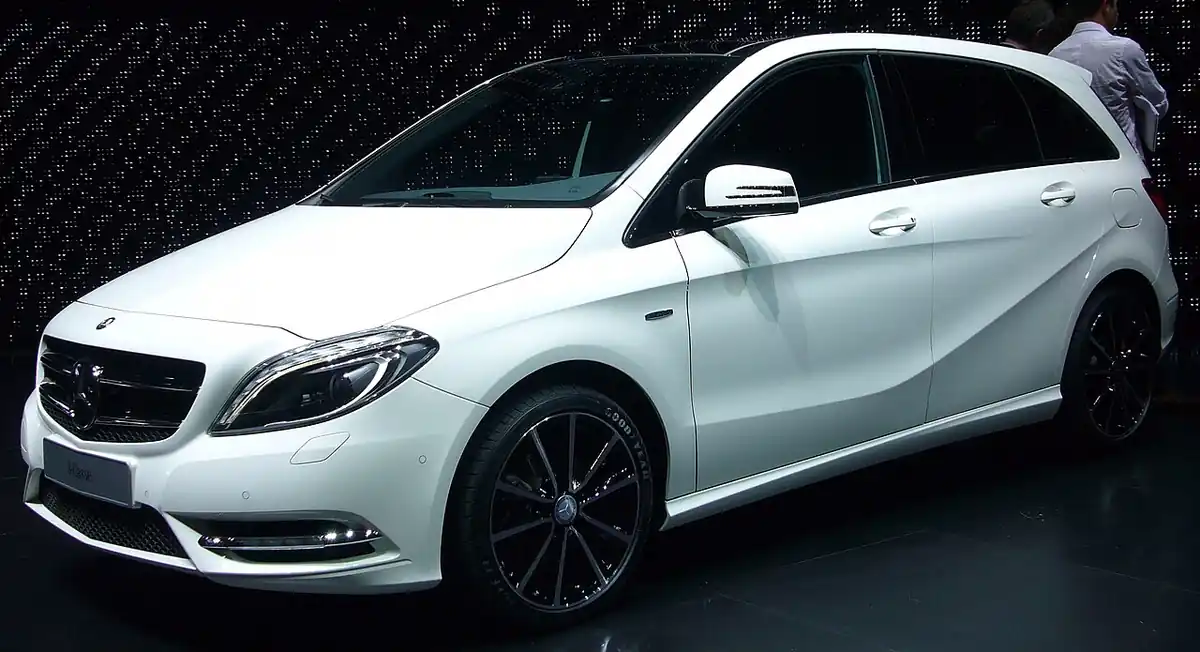
An older B-Class accident enquiry needs its own vehicle identity rather than a generic compact-Mercedes estimate. CarTech Hub – Multi-Brand Car Workshop, Guwahati requests the VIN, registration, production details, incident account and photographs. Report any change in hatch, door, glass, wheel or steering operation. The way the car behaves after the event can be as relevant as the visible dent.
Tell the advisor about existing damage and prior repairs. Safe recovery may be needed where braking, steering, a damaged wheel or a warning makes driving uncertain. The workshop confirms that its facilities and technical scope suit the requested work before accepting the vehicle.
Inspect the hatch area and cabin openings systematically
Rear damage can affect the tailgate, glass, lamps, latch, seals and supports beyond the outer cover. A side impact may alter a door opening, wiring or glass fit. Front damage can involve cooling parts and lamp brackets. List findings separately so the owner and insurer understand which functions need restoration rather than seeing one undifferentiated paint quotation.
Some damage remains concealed until an agreed inspection stage. Photograph additional findings and explain any specialist assessment required. Airbags, structural correction, proprietary coding and driver-assistance calibration are not promised as universal local services. A repaired outer panel should not conceal an unresolved safety concern or be described as whole-vehicle certification.
Identify compatible parts before confirming the proposal
Generation, VIN and installed equipment should determine B-Class doors, tailgate fittings, glass, lamps, mirrors, bumpers and associated trim. A similar component from another compact model may not fit or function correctly. Distinguish cosmetic pieces from brackets and supporting components, and use the existing part information where it helps verify application.
The estimate should explain repair-versus-replacement decisions, suitable methods and the accepted work scope. Availability, price and delivery time require supplier confirmation. An uncommon older part may affect the schedule, but this should be stated as a sourcing uncertainty rather than hidden behind a guaranteed completion date. Required outside work should also be clearly identified.
Submit a claim through the insurer's official route
Use the official claim-intimation facility for the issued policy and retain the reference. Policy and registration details, relevant driver information, photographs and the estimate commonly support a claim. The insurer may require additional incident-specific documents and controls the final checklist. A B-Class model page or workshop appointment does not establish cover or admissibility.
Coordinate the required survey or insurer inspection. CarTech Hub can help with applicable estimation and repair-document assistance, while authorization remains with the insurer and the customer's accepted scope. Clarify which work is approved before repairs progress beyond the agreed assessment. A survey visit or acknowledgment of documents should not be treated as permission for every proposed replacement.
Keep supplementary findings and completion evidence clear
After relevant approval and customer authorization, plan accepted work against confirmed parts and workshop capability. If opening a damaged area reveals more, preserve the evidence and request the appropriate supplementary decision. Record changes to components, methods, specialist referral or customer cost rather than assuming they are included automatically in the first authorization.
Final checks and documents should reflect what was actually repaired. Hatch and door operation, glass sealing, lighting and any unresolved warning deserve attention where affected. Exact procedures and timeframes depend on insurer, policy, damage and parts. This guide does not guarantee a fixed duration or claim settlement through cosmetic completion alone.
Understand deductions and arrange the right enquiry
Deductibles, depreciation, exclusions and non-payable items may remain payable by the owner. Optional policy benefits have wording, limits and conditions. Separate new damage from prior wear, unrelated maintenance and optional appearance improvements. Ask for approved, pending and owner-payable amounts before authorizing additional work, especially when an estimate changes.
Use the linked B-Class service guide for ongoing maintenance and the insurer directory for official registration links. Call, WhatsApp or book an appointment with CarTech Hub in Guwahati to confirm accepted scope, location and safe arrival. The presence of an insurer name is not proof of a cashless partnership; individual policy and workshop eligibility require confirmation.
CarTech Hub Multi-Brand Car Workshop, Guwahati provides applicable Mercedes-Benz vehicle accident repair and motor insurance claim assistance. Cashless repair availability is subject to insurer approval, policy terms, vehicle survey and confirmed workshop/network eligibility.
Official insurer claim channels
Mercedes-Benz policy evidence and official claim channels: a general motor policy or an EV product page does not prove acceptance of this premium vehicle, approved parts, battery cover or CarTech Hub cashless eligibility. Confirm registration, declared use, insured value and repair scope with the insurer.
Choose your insurer’s official claim-intimation link. Submit policy and identity information directly through the insurer’s approved channel. Its process and cashless authorization remain subject to your policy and the assessed claim.
Quick answers
Should a B-Class tailgate that closes differently after impact be inspected?
Yes. Latch, opening, seals, glass and supporting areas may need attention beyond the visible outer-panel damage.
Does an older B-Class parts delay establish that the insurer will pay more?
No. Sourcing and repair timing should be explained separately from admissibility and settlement. The insurer decides according to the issued policy and claim.
Can existing wear be included automatically in the accident claim?
No. Document new incident damage separately from previous condition, routine maintenance and optional customer-requested improvement.
Vehicle and claim reference information
Use the manual for your exact vehicle and the issued insurance policy. These sources provide background and do not establish a workshop authorization or insurer tie-up.