In this guide
A tailgate complaint should describe operation and damage
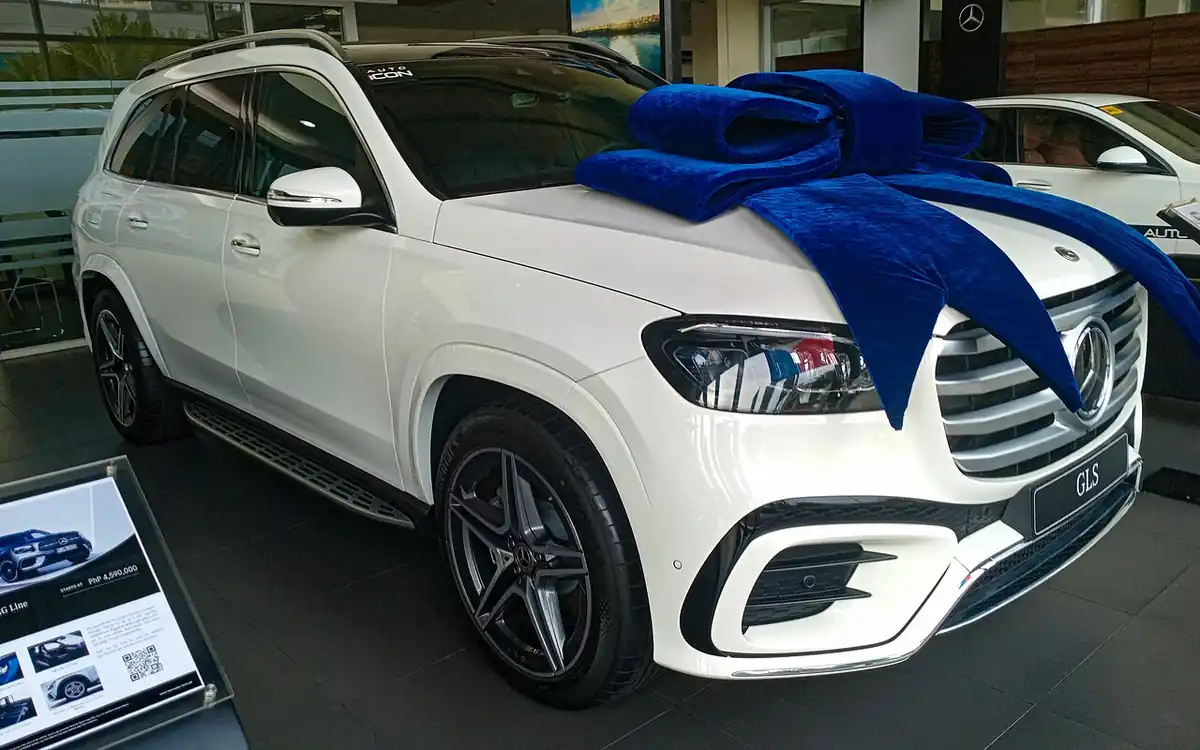
A GLS tailgate combines a large closure with glass, seals, trim and equipment fitted to the particular vehicle. After an impact, a dent may be accompanied by difficulty latching, new noise or an electrical warning. CarTech Hub – Multi-Brand Car Workshop, Guwahati asks owners to describe those changes when arranging an enquiry. Identify whether the concern is the outer panel, closure operation or damage around the opening.
A saloon's boot lid and an SUV's tailgate are different applications. Parts and procedures should not be transferred between an E-Class boot and a GLS tailgate because both close a luggage compartment. Generation, build details and equipment determine the inspection and the parts order. Acceptance of powered or specialist closure work must be confirmed separately from ordinary cosmetic repairs.
Check the opening before adjusting the latch
The assessment should consider hinges, latch, seals, surrounding gaps and any distorted mounting region. A panel that needs extra force to close may have more than one cause. Moving an adjustment point until it shuts can hide an unresolved problem, so the original condition and symptoms should be recorded before changes are made.
On equipment fitted with powered operation, the drive system, wiring, controls and relevant safety functions may need appropriate diagnosis. CarTech Hub does not claim universal manufacturer programming or powered-tailgate repair capability. Avoid repeatedly operating a damaged mechanism while awaiting advice. Where the incident affected glass, lights or the rear body opening, those findings need their own scope rather than disappearing into a single repaint line.
Specify the shell and the components around it
A quotation described as complete tailgate should explain what is actually supplied. Glass, seals, trim, handles, locks, camera fittings, electrical equipment and other accessories may be separate. Existing components should be inspected before reuse is agreed; a new shell cannot compensate for an unsuitable retained hinge or damaged mounting.
CarTech Hub confirms the required component against the actual Mercedes-Benz build before discussing firm availability and delivery. Similar exterior photographs do not prove compatibility. A supply delay or unidentified component should be explained early. Requested accessories or cosmetic changes should be priced separately from restoring the insured vehicle to its pre-accident specification.
Choose a method that restores fit and finish
Repairability depends on material, deformation, attachment regions and the applicable manufacturer instructions. A surface dent may permit a local repair, while distortion around the frame or closure region can require another recommendation. The owner should understand the technical limit of the proposed work and any specialist involvement needed before giving authorization.
Refinishing is planned only after fit and the repair method are resolved. Explain preparation, colour assessment and any adjoining-panel blending. Glass bonding, sealing and equipment procedures need qualified capability where relevant. Verify the GLS build's actual electrical architecture before affected removal, body repair or painting. Required manufacturer safety clearance and any necessary isolation belong to qualified personnel; no specialist hybrid repair or owner isolation procedure is advertised.
Organise the claim in stages
Provide vehicle registration and policy information, driver details, an accurate incident account and photographs showing the wider rear area. The insurer may request its claim form, a survey, further evidence or police documentation where applicable. Report the event through the official insurer channel and retain the reference rather than treating a workshop appointment as claim registration.
The estimate should separate panel repair or replacement, glass, trim, paint and supported diagnostic or specialist work. Required survey and approval should precede repair. If permitted dismantling exposes more damage, submit the additional findings for a supplementary decision and obtain the owner's consent for any revised cost. Approval of the outer panel alone is not permission to replace every associated mechanism.
Review charges and delivery requirements
Cashless availability is conditional on policy terms, survey findings, insurer authorization and a confirmed CarTech Hub arrangement. All insurer relationships must be checked individually. Deductibles, depreciation, consumables, excluded accessories and unrelated faults can remain payable. A zero-depreciation add-on does not remove every condition or customer contribution.
At delivery, review the agreed closure operation, gaps, seals, glazing and equipment checks, and retain any specialist documentation. Outstanding or referred work should be explicit. Visit Mercedes-Benz insurance information, send an insurance enquiry or book an assessment. Workshop directions and customer reviews help plan a visit in Guwahati.
Official insurer claim channels
Mercedes-Benz policy evidence and official claim channels: a general motor policy or an EV product page does not prove acceptance of this premium vehicle, approved parts, battery cover or CarTech Hub cashless eligibility. Confirm registration, declared use, insured value and repair scope with the insurer.
Choose your insurer’s official claim-intimation link. Submit policy and identity information directly through the insurer’s approved channel. Its process and cashless authorization remain subject to your policy and the assessed claim.
Quick answers
Is a boot lid the same component as a GLS tailgate?
No. Saloon boot lids and SUV tailgates differ in construction, glass, fittings and operation. The exact body and build specification must guide the repair.
Does complete tailgate replacement always include the powered mechanism?
Not necessarily. Confirm which shell, glass, locks, equipment and fittings are supplied, reused or quoted separately.
Why should a damaged powered tailgate not be operated repeatedly?
The cause and extent of damage need assessment. Follow appropriate advice and confirm supported diagnosis rather than forcing a compromised mechanism.
Vehicle and claim reference information
Use the manual for your exact vehicle and the issued insurance policy. These sources provide background and do not establish a workshop authorization or insurer tie-up.