In this guide
An electric SUV needs the right thermal-system assessment
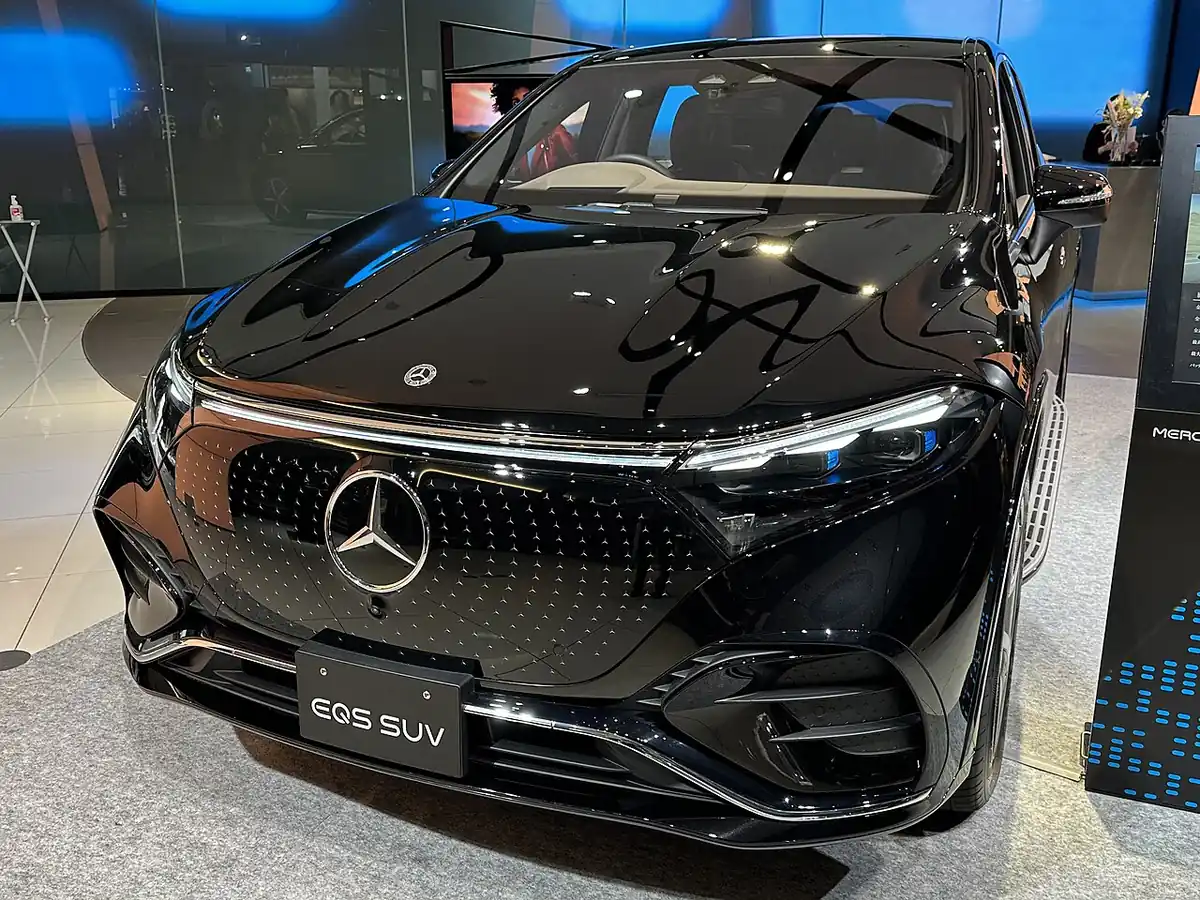
An EQS SUV owner may notice reduced cabin cooling after front-end damage, but that symptom does not identify the failed component by itself. CarTech Hub – Multi-Brand Car Workshop, Guwahati records the incident, warnings, vehicle specification and visible damage before confirming an applicable enquiry. A condenser concern on an electric vehicle should not be treated as a routine gas-refill appointment copied from a combustion car.
The drive system and thermal equipment require vehicle-specific information and qualified capability. CarTech Hub does not advertise high-voltage compressor, battery-cooling, inverter, propulsion-motor or charging-system repairs through this guide. Qualified personnel must verify the EQS SUV electrical and thermal architecture and obtain manufacturer-required safety clearance or isolation before affected dismantling, testing, body preparation or paintwork. No owner isolation or refrigerant-handling instructions are provided.
Identify the component rather than guessing from location
The condenser's role in the air-conditioning circuit is different from a coolant radiator or other thermal equipment that may be nearby. The actual arrangement must be verified for the vehicle. Inspection should identify the damaged unit, its mountings, lines and the relationship to the surrounding impact area. A bent front support can affect more than the visible surface of one heat exchanger.
Qualified assessment should distinguish impact leakage from another cause of poor cooling. Diagnostic messages and the condition of relevant connections may require specialist investigation. A universal scan or a quick visual look is not proof that the entire EV thermal system is healthy. CarTech Hub confirms the supported work and referral route rather than promising every diagnostic procedure in-house.
Make the repair-or-replacement proposal explicit
The recommendation should account for observed damage, component construction and the applicable manufacturer procedure. A badly deformed or leaking unit may require a different approach from an undamaged component with a fault elsewhere. The estimate should explain the decision and avoid replacing a condenser solely because the air conditioning stopped after a collision.
Associated supports, lines, sealing items and other affected components should be identified individually. Any specialist equipment or thermal-system procedure needs confirmed acceptance before work starts. Straightening exterior panels does not establish that the underlying system is suitable for operation. Required structural or safety assessment should remain separate from ordinary cosmetic work.
Match parts and process to the actual EQS SUV
Body shape alone cannot confirm compatibility with an EQS sedan, another generation or a different equipment package. Use the VIN, build and verified component application before ordering. CarTech Hub confirms part availability, cost and delivery after identifying the requirement. The quote should explain the supplied unit and related items, rather than promise immediate stock of an unspecified assembly.
Testing, refrigerant specification, materials and final operation checks must follow the appropriate qualified procedure. Paintwork to adjacent areas also requires suitable EV precautions and manufacturer process review. A generic heat cycle or fluid recommendation should not be imported from another car. Owners should clarify warranty and repair-route requirements before authorizing the proposed work.
Document the claim before altering the damaged area
Use the insurer's official motor route to report the event and retain the reference. Provide the policy, registration information, driver details, incident account and photographs. A form, survey and further documents may be requested. Police records are supplied where applicable. The estimate should distinguish accident findings from pre-existing cooling concerns or maintenance needs.
CarTech Hub can help organise a damage estimate and coordinate insurer assessment within the accepted scope. Survey and repair approval may be required before dismantling or replacement. If permitted access reveals more damage, record it and request a supplementary decision. The insurer's authorization should identify the approved items rather than be treated as permission for unlimited work across the EV thermal system.
Confirm cashless eligibility and delivery evidence
An insurer's electric-car product does not prove a CarTech Hub cashless arrangement or automatic cover for every EV component. Policy terms, survey findings, claim approval and workshop eligibility must all be checked. Deductibles, depreciation, consumables and excluded damage may remain payable. Optional battery, motor or charger endorsements should not be confused with approval of a condenser claim.
Delivery should include the agreed functional checks and documentation from any qualified specialist involved, with unresolved concerns clearly recorded. Visit Mercedes-Benz insurer guidance, use official claim reporting links, send an insurance enquiry or book an assessment. CarTech Hub in Guwahati confirms the appropriate specialist route before accepting an EQS thermal-system repair.
Official insurer claim channels
Mercedes-Benz policy evidence and official claim channels: a general motor policy or an EV product page does not prove acceptance of this premium vehicle, approved parts, battery cover or CarTech Hub cashless eligibility. Confirm registration, declared use, insured value and repair scope with the insurer.
Choose your insurer’s official claim-intimation link. Submit policy and identity information directly through the insurer’s approved channel. Its process and cashless authorization remain subject to your policy and the assessed claim.
Quick answers
Does weak cooling after an EQS SUV accident prove condenser damage?
No. The affected component and cause require qualified, vehicle-specific assessment before a repair or replacement is proposed.
Is this an offer of high-voltage AC compressor repair at CarTech Hub?
No. Specialist EV thermal and high-voltage work requires confirmed capability and may be referred; the enquiry does not advertise those facilities.
Does an EV battery add-on automatically authorize condenser replacement?
No. Optional endorsements and the accident repair scope are separate questions. The insurer assesses the actual component damage and applicable policy.
Vehicle and claim reference information
Use the manual for your exact vehicle and the issued insurance policy. These sources provide background and do not establish a workshop authorization or insurer tie-up.