In this guide
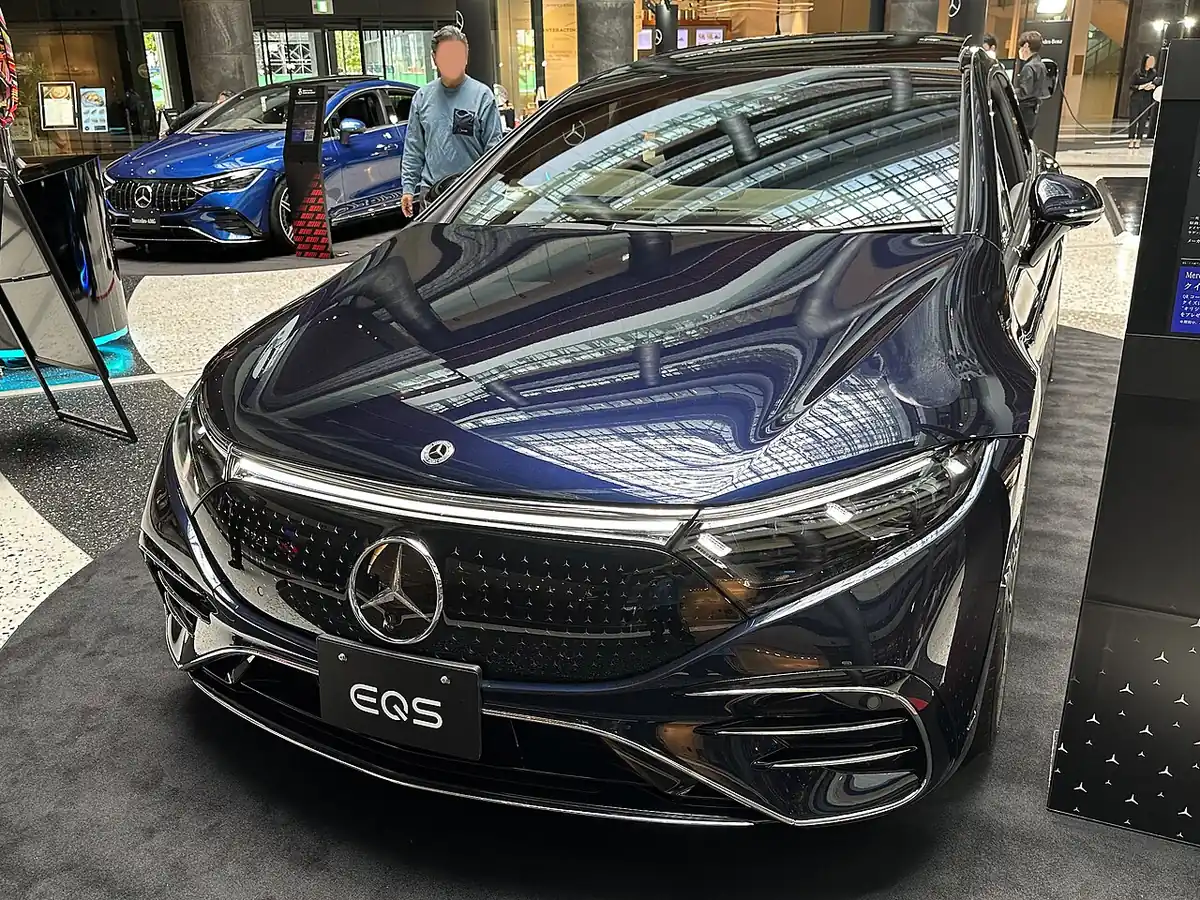
A low-body strike or a door that no longer closes normally can raise several questions on an EQS sedan. The exterior finish is only one part of the repair decision; body relationships and protected electric equipment also matter. CarTech Hub – Multi-Brand Car Workshop, Guwahati can receive the accident details, discuss a supported scope and assist with the insurance repair record. Qualified EV safety assessment and workshop acceptance come before an assumption that ordinary bodywork can begin.
Stop use when the incident raises an EV concern
Underfloor impact, water exposure, electrical warnings, unusual heat or suspected battery involvement require advice from Mercedes-Benz or a suitably qualified EV specialist and recovery provider. Do not continue driving or charging to prove the car works. This guide gives no owner instructions for isolation, disconnection, lifting or recovery. Professionals must determine suitable handling for the actual event; urgent thermal or smoke signs require the appropriate emergency response.
The surveyor's assessment of a claim is not technical permission to work on a damaged electrical vehicle. Necessary qualified clearance and controlled arrangements must precede lifting, dismantling, heating or painting. Confirm weight, lift suitability and bay access before transport. CarTech Hub does not advertise battery opening, motor or inverter repair, charging-system work or advanced structural restoration without the required specialist arrangements.
Identify the sedan and its affected fittings
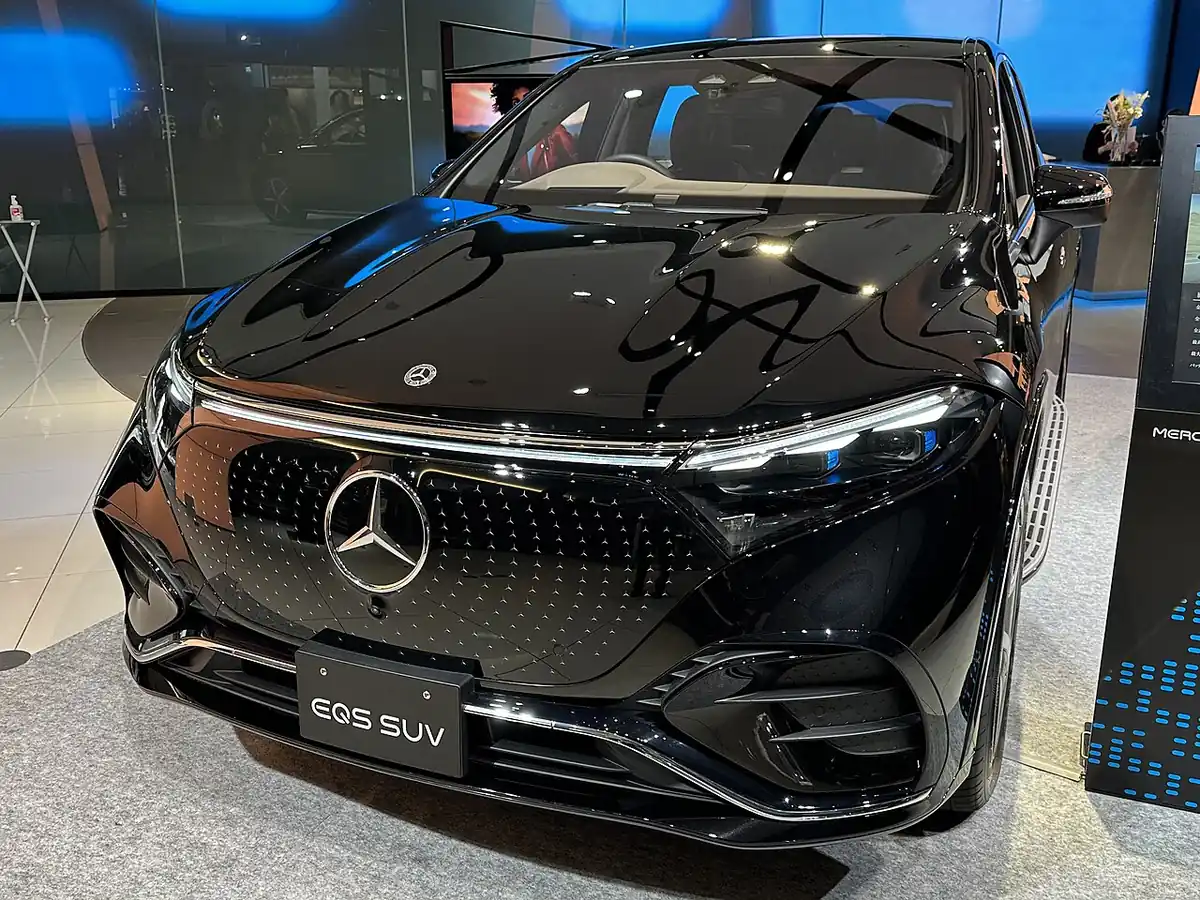
Provide VIN, build and equipment details so the EQS sedan is not confused with the SUV. The rear luggage opening, closing fittings, glass and seals need the correct body application. At the front, bonnet closure, lamp housings, bumper attachments and nearby equipment may require inspection beyond the visible scratch. A functioning lamp or closing panel does not establish that every mount or surrounding structure is undamaged.
Side damage can involve doors, handles, mirror equipment, glazing, sills and structural openings. A panel repair differs from a restraint mounting, sensor or structural concern. Those tasks require the relevant capability, and referral may be appropriate. The estimate should describe what is known, what needs further examination and which operations cannot be accepted as routine in-house work.
Assess wheel and battery-adjacent damage carefully
A wheel impact may affect tyre, rim, hub, brakes, steering or suspension. Report displacement, leakage and new vibration before arranging movement. Cosmetic alloy finishing cannot certify a cracked or bent wheel; alignment cannot restore damaged load-bearing parts. The proposed scope should identify each affected assembly and the reason for any replacement rather than use a single unexplained accident package.
External protection, an enclosure surface and the battery's internal condition are separate matters. An intact-looking cover does not rule out a concern behind it, while a mark alone does not prove a complete battery needs replacement. Qualified findings and the applicable repair guidance must determine the next step. A general workshop must not treat accessible battery-area damage as ordinary sheet metal to reshape.
Make estimate and authorization responsibilities clear
Use the official insurer directory for intimation and retain the claim number. Share the policy, RC, driver's licence, incident account, photographs and requested forms; identity or police papers may also be required for the case. Explain water involvement, warning indications and the impact location accurately. A CarTech Hub enquiry is not automatic claim registration or a guarantee that every proposed item is covered.
An itemized estimate can separate body repairs, parts, glass, paint, labour and referred assessment. Parts fitment, price and supply time require checking against the actual build. Body heat, paint curing and other methods must follow the appropriate manufacturer and qualified procedures. Warranty questions remain separate from insurance authorization. The owner should understand both the supported repair method and any unresolved specialist requirement before approving work.
Review approved work and customer-payable costs
The general process runs through inspection, documents, survey where required, estimate review, insurer approval and customer authorization. Additional hidden damage can need photographs, specialist evidence and a supplementary decision before extra work. Agreed repair or replacement, painting and final checks lead to documentation and delivery after the customer's share is settled. Exact steps and timing vary with policy, insurer and circumstances.
CarTech Hub Multi-Brand Car Workshop, Guwahati provides applicable Mercedes-Benz vehicle accident repair and motor insurance claim assistance. Cashless repair availability is subject to insurer approval, policy terms, vehicle survey and confirmed workshop/network eligibility.
Insurance Claim Assistance Available – Cashless Eligibility to Be Confirmed
Deductibles, depreciation, uninsured accessories, non-covered consumables and unrelated damage may remain payable. An EV endorsement does not guarantee every battery, charging or water event. The Mercedes-Benz policy guide separates product information from the actual contract and workshop eligibility. Review any specialist restrictions at handover rather than taking a polished exterior as permission to resume charging or normal use.
Arrange the correct EQS sedan enquiry
Send photographs through Insurance Claim Enquiry or Book Service, then Call Now or WhatsApp to confirm the next step. Routine care belongs in the EQS sedan service guide. The model hub, Google Reviews and contact and directions support a planned Guwahati visit. No authorized-Mercedes status or insurer tie-up is implied.
Official insurer claim channels
Mercedes-Benz policy evidence and official claim channels: a general motor policy or an EV product page does not prove acceptance of this premium vehicle, approved parts, battery cover or CarTech Hub cashless eligibility. Confirm registration, declared use, insured value and repair scope with the insurer.
Choose your insurer’s official claim-intimation link. Submit policy and identity information directly through the insurer’s approved channel. Its process and cashless authorization remain subject to your policy and the assessed claim.
Quick answers
Can I charge an EQS after a low-body collision if it still drives?
Do not use charging as a test. Report the impact and obtain qualified advice, particularly with underfloor contact or electrical warning signs.
Will a painted bumper prove the whole collision has been resolved?
No. The agreed body, mechanical, electrical and specialist findings must be addressed and any outstanding restrictions explained.
Is a workshop estimate the same as insurer authorization?
No. The estimate proposes work. The insurer decides accepted cover, while the customer separately authorizes the supported repair scope.
Vehicle and claim reference information
Use the manual for your exact vehicle and the issued insurance policy. These sources provide background and do not establish a workshop authorization or insurer tie-up.