In this guide
A straight-looking aluminium panel does not establish that an earlier Defender is structurally sound after a collision. Its frame, bulkhead, mounting points and running gear require a repair assessment appropriate to that generation. CarTech Hub – Multi-Brand Car Workshop, Guwahati supports applicable accident inspection, parts enquiries, estimates and motor-insurance assistance, with specialist restoration or chassis stages accepted only after capability is confirmed.
Establish which original vehicle was damaged
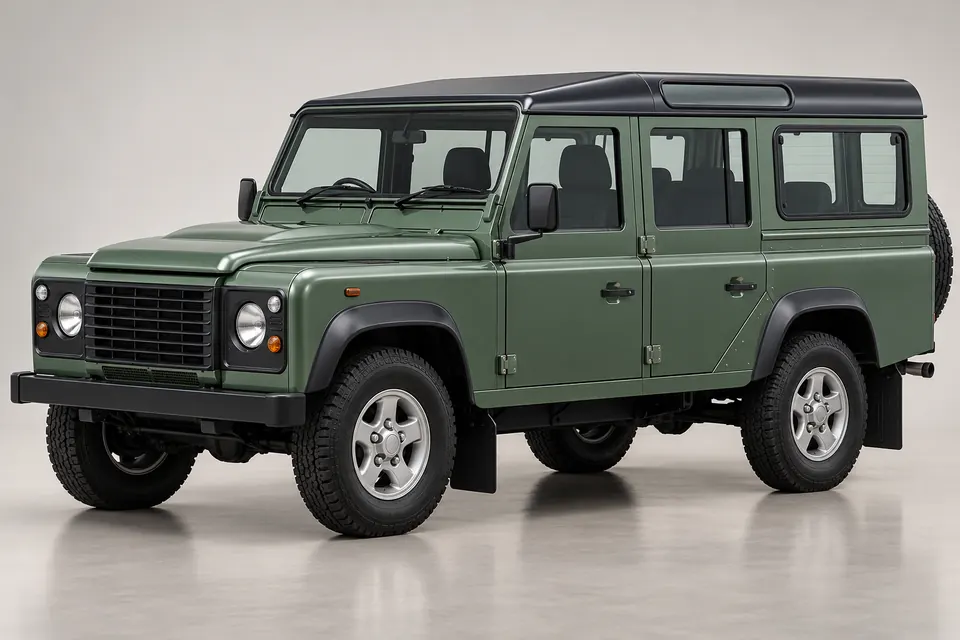
Identify the VIN, registration, body configuration, engine, transmission and documented modifications. This guide covers earlier Defender and related Ninety or One Ten passenger-wagon ownership, not a blanket promise to repair heavy commercial or specialised conversions. A restored vehicle, replacement engine or altered axle installation can have requirements that differ from an ordinary factory specification.
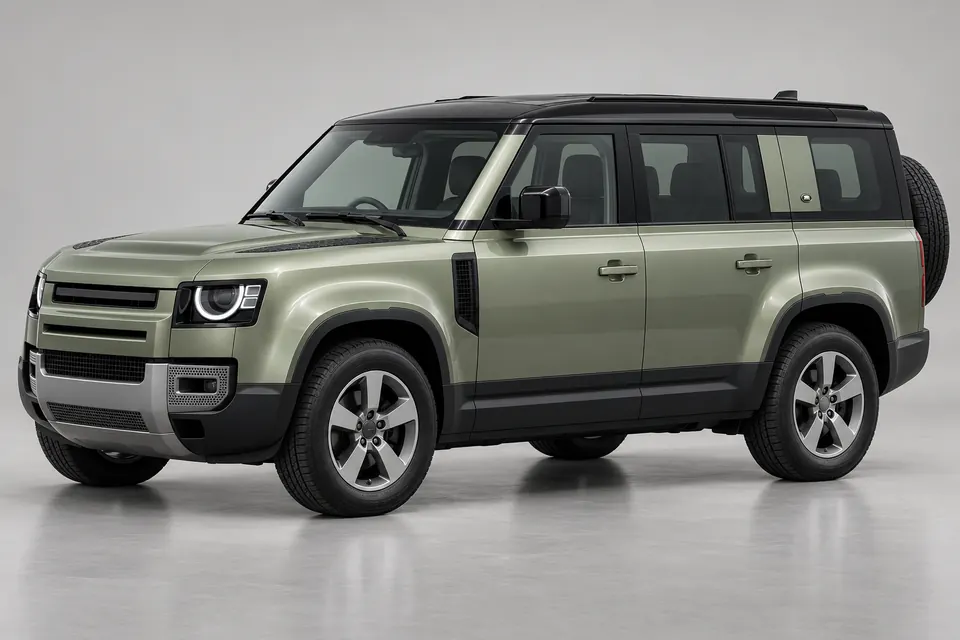
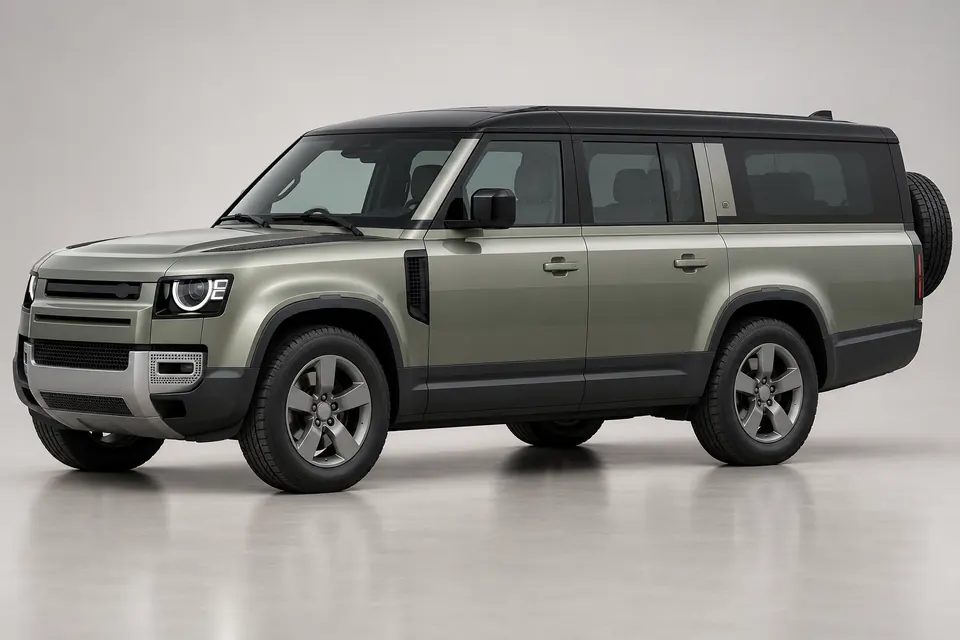
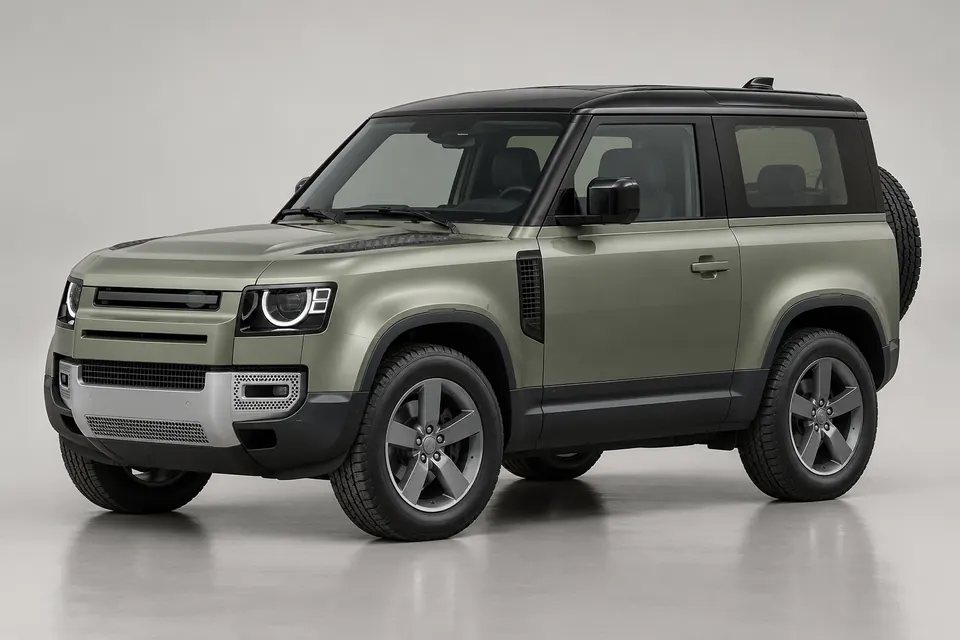
Modern Defender construction and parts must not be substituted into the assessment. Earlier vehicles have a separate steel ladder frame with body panels and related structures that perform different roles. A modern L663 repair method or an internet photograph cannot certify the condition or compatibility of an original Defender component.
Safety and recovery come before cosmetic repair
Arrange appropriate assistance if brakes, steering, wheels, axles or fluid systems may be affected. Do not drive a vehicle merely because the engine starts or the doors still open. An impact can leave a mounting, brake line or steering component unsafe despite limited exterior damage. Significant water exposure and any unusual electrical or fuel-system condition should also be disclosed before recovery or inspection planning.
Take clear photographs where it is safe, including the general damage area and relevant warning or leakage evidence. Do not conceal old repairs or modifications. Distinguishing new accident damage from pre-existing corrosion or wear is useful to the owner, repairer and insurer.
Inspect front damage through the support structure
Assess bonnet, fenders, lamps, grille, bumper equipment and the components behind them. Examine accessible radiator, fan, hoses and related mounting areas where the impact path indicates a concern. An engine or cooling problem after a collision needs its own diagnosis rather than being assumed to disappear when a panel is changed.
Check frame ends, body supports and steering or axle-related areas through an appropriate assessment. Outer panels, brackets and a bulkhead are not interchangeable structural categories. Specialist measurement, joining or frame work requires suitable procedures and facilities. CarTech Hub should confirm the accepted repair and any referral before an owner commits to that stage.
Doors, roof, rear body and glass need compatible parts
An earlier Defender can have different wheelbase, door and body arrangements. Inspect hinges, locks, seals, glass and surrounding openings when a door no longer aligns or closes correctly. A replacement skin may not resolve distortion at a mounting or in an adjacent structure. Rear-door and spare-wheel-related areas also need checks after a rear impact.
Parts identification should consider the body configuration, production details and any non-standard equipment. Glass, seals, lamps and trim from a later or different Defender are not presumed to fit. Where a repair changes an original or modified installation, confirm the process, compatibility and relevant documentation before parts are purchased.
Axles, suspension and drivetrain damage are separate estimates
A wheel or underbody strike can affect tyres, rims, hubs, wheel bearings, steering links, suspension bushes, axle mountings, propeller shafts or driveline housings. Inspect the actual components rather than attempt to disguise a handling problem through an alignment adjustment. Braking equipment must be identified as fitted, including any drum, disc or axle changes.
Transfer-box or gearbox damage requires evidence of the impact path, leakage, function and component condition. A pre-existing leak or worn clutch does not automatically become insured damage. Internal drivetrain repair and chassis restoration are specialist jobs, with their own capability and approval requirements. Not every damaged older vehicle can be appropriately restored within an ordinary body-repair estimate.
Explain repair versus replacement and the finish
The proposed estimate should distinguish cosmetic panels, replaceable assemblies, mechanical investigation and specialist structural assessment. Record the reason for each important decision using inspection findings and photographs. Appropriate joining, sealing and corrosion protection matter as well as the final colour.
Denting and painting should follow a sound, accepted repair method. Previous corrosion or unsuitable repairs can affect whether a panel can be repaired reliably. A change from an original component to another option needs clear identification and agreement; no universal genuine-parts supply, immediate stock or warranty promise should be inferred from a parts enquiry.
Insurance claim assistance for an older or modified Defender
Intimate the accident through the insurer’s official motor claim destination. CarTech Hub’s enquiry route can help arrange inspection and documentation but does not register the insurer’s claim. Supply the issued policy, vehicle details and requested documents. Be accurate about ownership use and relevant modifications, because the policy and insurer assessment determine the accepted claim scope.
The insurer may request a survey, photographs, supporting repair evidence or further information about the vehicle. Approval should precede repair where required. If authorised dismantling reveals additional damage, document the finding and seek the necessary supplementary approval rather than assuming the first estimate covers every discovery.
Cashless eligibility depends on the actual insurer, policy, survey, approval and applicable confirmed workshop arrangement. Check the central directory and the issued policy. Deductibles, depreciation, exclusions and other non-payable charges can remain customer-payable. Cosmetic restoration, normal wear, corrosion or a breakdown unrelated to the insured event are not automatically covered by an accident claim.
Completion checks and a realistic repair plan
Final checks should reflect the affected systems and agreed scope: body closures, panel fit, lamps, sealing, steering, braking and inspected mechanical work. Any required specialist structural or safety-related stage must be completed appropriately before the vehicle is described as ready. Road testing is considered only after safety assessment.
For an initial enquiry, send the registration, VIN, configuration, photographs, insurer details and records of significant modifications or previous repair. The workshop can then discuss the supported inspection, likely parts-identification work and referral requirements. Repair time depends on findings, available compatible parts and insurer decisions; it is not reliably determined by the size of an exterior dent alone.
Land Rover accident repair, claim assistance and cashless eligibility
CarTech Hub – Multi-Brand Car Workshop, Guwahati provides accident-repair services for supported Land Rover models and motor insurance claim assistance. Cashless repair availability is subject to insurer approval, policy terms, vehicle survey and confirmed workshop or network eligibility.
The issued policy and insurer-approved estimate determine the covered accident repairs. Applicable deductibles, depreciation, exclusions and other non-covered charges may remain payable by the customer. A cashless arrangement does not make routine maintenance, normal wear or every mechanical failure an insured accident claim.
CarTech Hub is a multi-brand car workshop in Guwahati providing applicable servicing and repairs for supported Land Rover, Range Rover, Defender and Discovery vehicles. Work can include periodic maintenance, diagnostics, brake and suspension service, compatible parts replacement, denting and painting, accident assessment and motor insurance claim assistance, after the vehicle and accepted scope are checked.
CarTech Hub – Multi-Brand Car Workshop, Guwahati operates independently; manufacturer authorisation is not claimed.
Official insurer claim channels
Register a motor claim through the official insurer directory. CarTech Hub’s insurer tie-ups are confirmed; the issued policy, assessed accident and insurer approval determine this customer’s covered repair.
Choose your insurer’s official claim-intimation link. Submit policy and identity information directly through the insurer’s approved channel. Its process and cashless authorization remain subject to your policy and the assessed claim.
Quick answers
Can a tidy outer panel hide original Defender chassis damage?
Yes. Outer panels and the frame or mounting areas have different roles. A proper assessment should consider the impact path and relevant supporting structures, not only the visible finish.
Will an insurer automatically cover a complete original Defender restoration?
No. The policy, event evidence and insurer approval determine covered accident work. Restoration, corrosion, normal wear and unrelated faults may remain outside the claim.
Should I mention engine or axle modifications in an original Defender claim enquiry?
Yes. Provide accurate details and records of relevant changes. They can affect compatible parts, repair methods and the insurer’s assessment of the issued policy.
Vehicle and claim reference information
Use the manual for your exact vehicle and the issued insurance policy. Manufacturer references explain vehicle information; CarTech Hub’s cashless arrangements are confirmed separately. They do not establish manufacturer authorization or specialist technical capability.