In this guide
An accident-damaged Defender 110 needs a repair plan that connects visible body damage with the systems behind it. A damaged door, wheel strike or front-end impact can affect more than the outer surface. CarTech Hub – Multi-Brand Car Workshop, Guwahati provides supported damage assessment, parts identification, estimate preparation and motor-insurance claim assistance, with specialist stages identified before work is accepted.
Confirm the generation, powertrain and safety condition
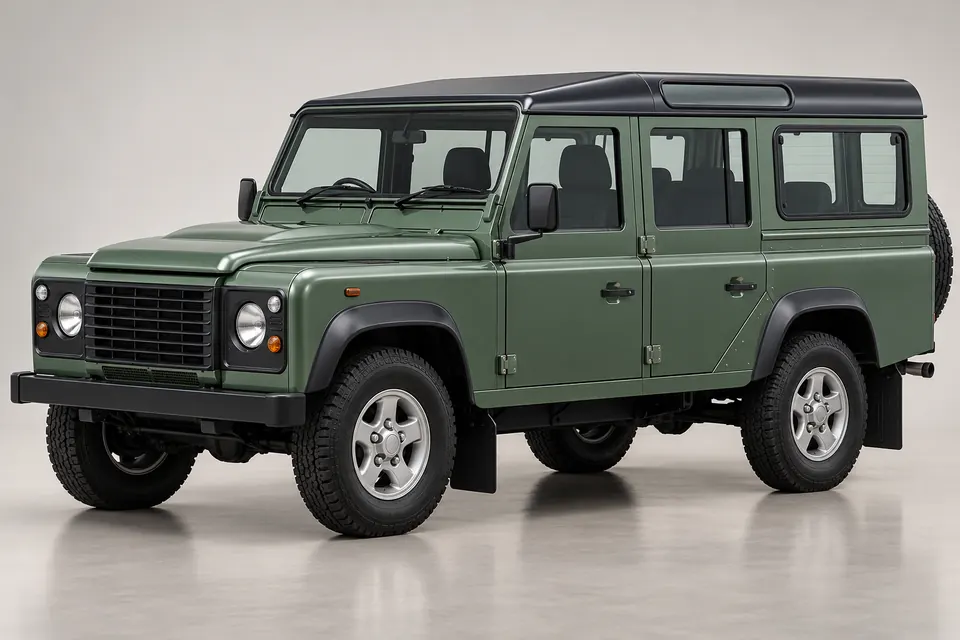
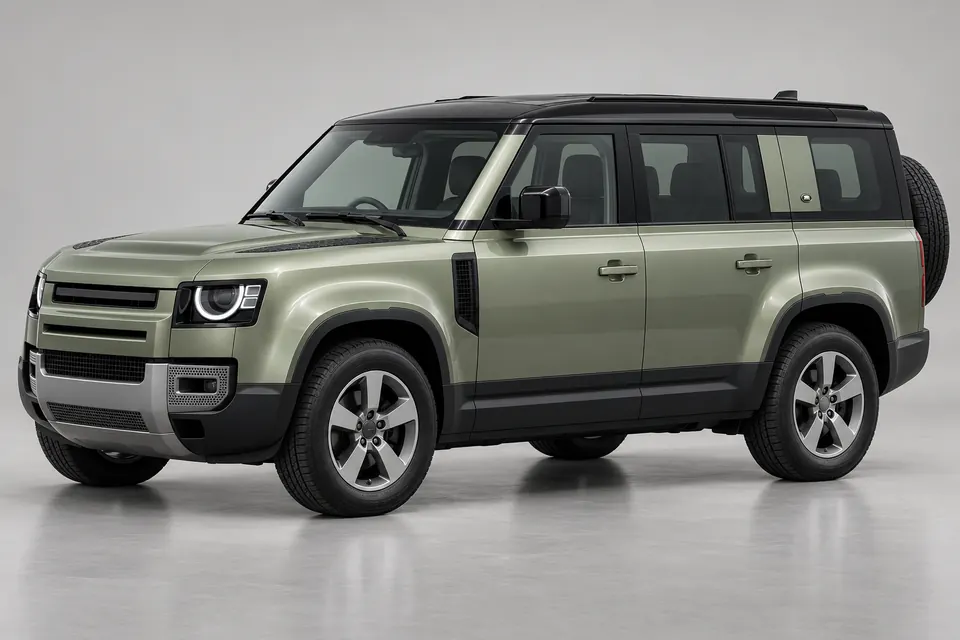
Modern L663 Defender 110 construction is different from an original Defender 110 ladder-frame vehicle. Establish the VIN, production year, engine or electrified powertrain, seating configuration and installed chassis equipment. An OCTA or another specialised variant must not receive a standard-model parts list merely because the body name includes 110.
Do not drive a vehicle with compromised steering or brakes, significant leakage, damaged tyres, unstable ride height or serious electrical warnings. A suitable recovery arrangement may be needed. Where a hybrid system, underbody battery zone or connected high-voltage equipment could be affected, qualified assessment must precede mechanical, body or paint operations. A workshop enquiry does not constitute a high-voltage safety clearance.
Front-end assessment combines panels and underlying components
Inspect the bumper, grille, brackets, bonnet, fenders, headlamps and related mounting areas. Assess the radiator, condenser, cooling lines and wiring where the impact may have reached them. Misaligned panels can indicate damage to supports or a larger structure; an outer-cover replacement alone does not prove that the underlying shape is restored.
Affected cameras, radar and parking equipment require the correct manufacturer repair process. The estimate should identify necessary diagnosis, calibration or specialist involvement instead of hiding those stages within a general paint charge. Airbags and seat-belt pretensioners must be assessed properly after a relevant event. Bypassing a safety system or suppressing its warning is not a legitimate repair method.
Side damage must account for five doors and openings
A 110 side impact may involve front or rear doors, hinges, locks, glass, mirrors, sill areas or a quarter panel. Inspect the way each opening closes and aligns with adjacent areas. A latch that no longer closes correctly should not be adjusted without understanding whether the door, hinge mounting or surrounding structure has moved.
Mirror and glass specifications can vary with cameras, electrical functions and trim. Identify the correct assembly and related setup requirements. Door skins, complete shells and adjacent panels have different repair possibilities. For aluminium-intensive or structural damage, the available joining method, corrosion protection and technician capability determine whether the work can be accepted or needs referral.
Rear and underbody damage have their own repair questions
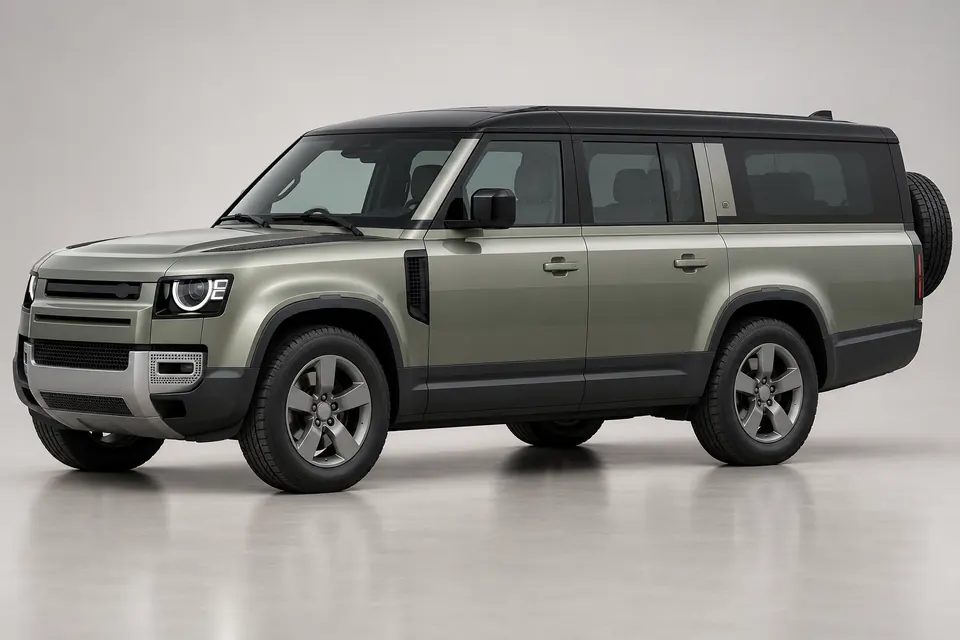
The side-hinged rear door, spare-wheel-related area, lamps, glass, hinges and surrounding body can all be affected in a rear collision. Where seating or interior trim was disturbed, inspect the relevant mountings and equipment rather than restoring only the exterior. A Defender 130 has a different extended rear body and should not be used as an unverified parts donor for a 110 estimate.
Underbody contact can affect shields, housings, shafts, fluid lines or suspension mounting areas. A wheel or alloy impact requires tyre, rim, hub, bearing, steering and suspension checks. Confirm the fitted air or specialised active chassis equipment and any disclosed conversion before a component is quoted; do not infer a 90 suspension option on a 110. Distorted protective panels do not establish that the components above them are undamaged.
Repair choices and compatible parts at CarTech Hub
The damage report should distinguish repairable cosmetic areas, replaceable parts, mechanical investigation and specialist structural or electronic work. Measurements, photographs and relevant diagnostic evidence support the proposed scope. A replacement decision should relate to the actual condition and manufacturer procedure, not only to what appears easiest to paint.
Bumpers, bonnet, doors, lamps, glass, seals, brackets, cooling components and suspension parts must match the build. Availability, delivery time and price are confirmed after checking the VIN and required component. Where a repair needs recalibration, coding or a particular safety procedure, confirm the arrangement before approving the parts order.
Denting and painting follow the accepted repair method. Preparation, protection of adjoining equipment, sealing and any appropriate blending should be explained in the estimate. Existing wear, earlier repairs or old damage should be recorded so the customer and insurer can distinguish the current incident from unrelated work.
Insurance claim assistance and cashless eligibility
Intimate the claim through the insurer’s official motor reporting destination and retain its reference. Provide the issued policy, vehicle details and documents requested for the actual claim. The insurer may require photographs, an inspection or a survey before approving dismantling or repairs. Sending information to CarTech Hub’s enquiry form is a request for workshop assistance, not successful insurer claim registration.
The workshop can help prepare an estimate and documentation for supported work. Insurer approval controls the covered repair scope; additional damage found during authorised dismantling may need a supplementary estimate. Cashless eligibility depends on the insurer, policy, survey, approval and applicable confirmed workshop arrangement. Read the insurer’s status in the central directory and check the customer’s issued policy rather than infer cover from a general company listing.
Deductibles, depreciation, exclusions and other non-payable amounts may remain payable by the customer. Servicing items, worn components and breakdowns unrelated to the insured event are not automatically covered. A cashless process does not promise that every cost or every proposed replacement will be accepted.
Completion checks, documents and booking
Final checks should follow the systems that were actually affected: panel fit, closures, glass sealing, lights, brakes, steering and the accepted mechanical repair scope. Required safety-system inspection and calibration need completion through the appropriate qualified route. Road testing is only suitable after the vehicle has been judged safe for it.
When enquiring, share the registration, VIN, powertrain, insurer, claim reference and photographs. Confirm supported workshop work, specialist stages and the intended documentation before arranging recovery or parts. The completion date depends on approved scope, compatible supplies and insurer decisions; it cannot be reliably promised from a few photographs alone.
Land Rover accident repair, claim assistance and cashless eligibility
CarTech Hub – Multi-Brand Car Workshop, Guwahati provides accident-repair services for supported Land Rover models and motor insurance claim assistance. Cashless repair availability is subject to insurer approval, policy terms, vehicle survey and confirmed workshop or network eligibility.
The issued policy and insurer-approved estimate determine the covered accident repairs. Applicable deductibles, depreciation, exclusions and other non-covered charges may remain payable by the customer. A cashless arrangement does not make routine maintenance, normal wear or every mechanical failure an insured accident claim.
CarTech Hub is a multi-brand car workshop in Guwahati providing applicable servicing and repairs for supported Land Rover, Range Rover, Defender and Discovery vehicles. Work can include periodic maintenance, diagnostics, brake and suspension service, compatible parts replacement, denting and painting, accident assessment and motor insurance claim assistance, after the vehicle and accepted scope are checked.
CarTech Hub – Multi-Brand Car Workshop, Guwahati operates independently; manufacturer authorisation is not claimed.
Official insurer claim channels
Register a motor claim through the official insurer directory. CarTech Hub’s insurer tie-ups are confirmed; the issued policy, assessed accident and insurer approval determine this customer’s covered repair.
Choose your insurer’s official claim-intimation link. Submit policy and identity information directly through the insurer’s approved channel. Its process and cashless authorization remain subject to your policy and the assessed claim.
Quick answers
Can an original Defender 110 use a modern 110 accident estimate?
No. Their structure, suspension, body parts and repair methods differ. Establish the generation and construction before preparing any estimate.
Will a cashless Defender 110 claim pay for every component in the estimate?
No. Coverage, the incident evidence and insurer approval control payable work. Deductibles, depreciation, exclusions and unrelated maintenance may remain the customer’s responsibility.
Why may additional Defender 110 damage need a second estimate?
Some damage becomes visible only after approved dismantling. It should be documented and submitted for any required supplementary insurer approval before extra repair work proceeds.
Vehicle and claim reference information
Use the manual for your exact vehicle and the issued insurance policy. Manufacturer references explain vehicle information; CarTech Hub’s cashless arrangements are confirmed separately. They do not establish manufacturer authorization or specialist technical capability.