In this guide
An earlier V-Cross is not defined by the newest brochure
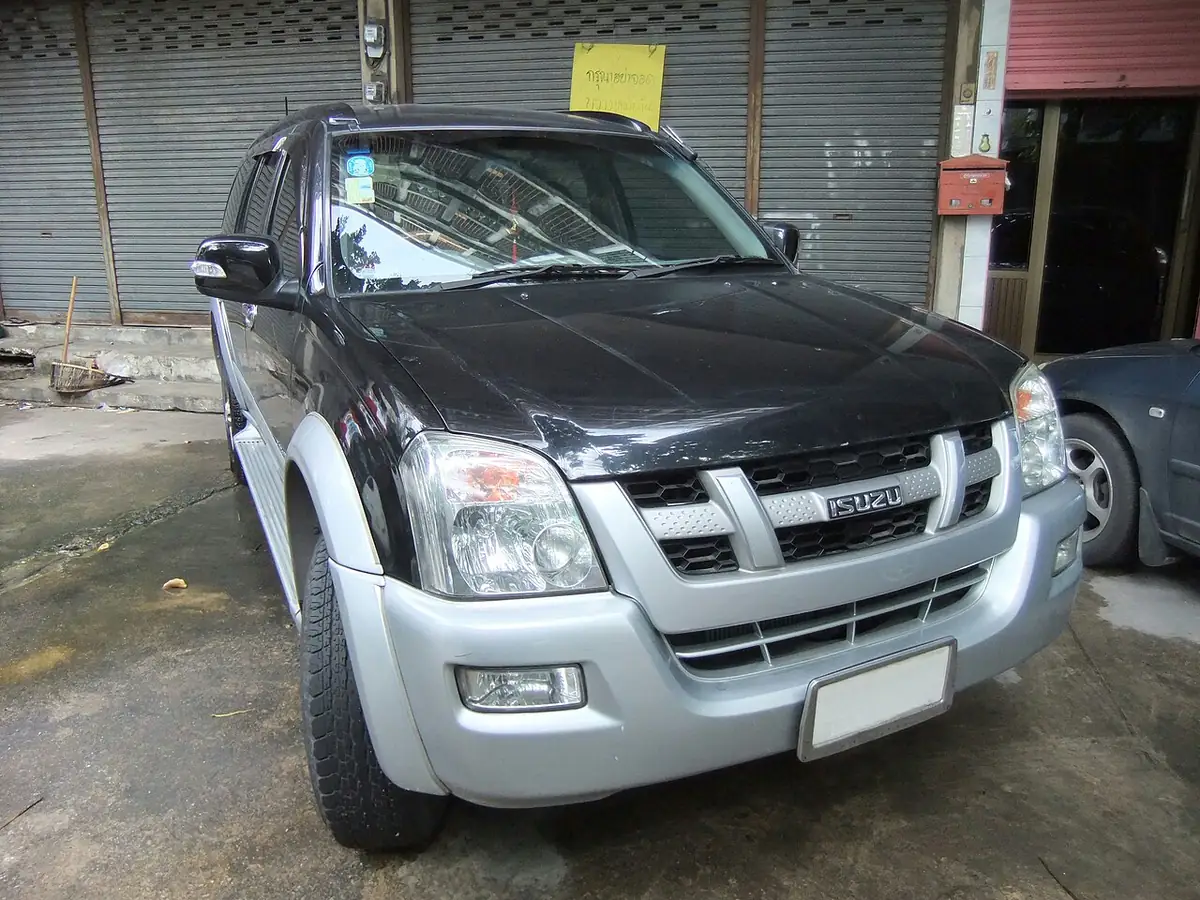
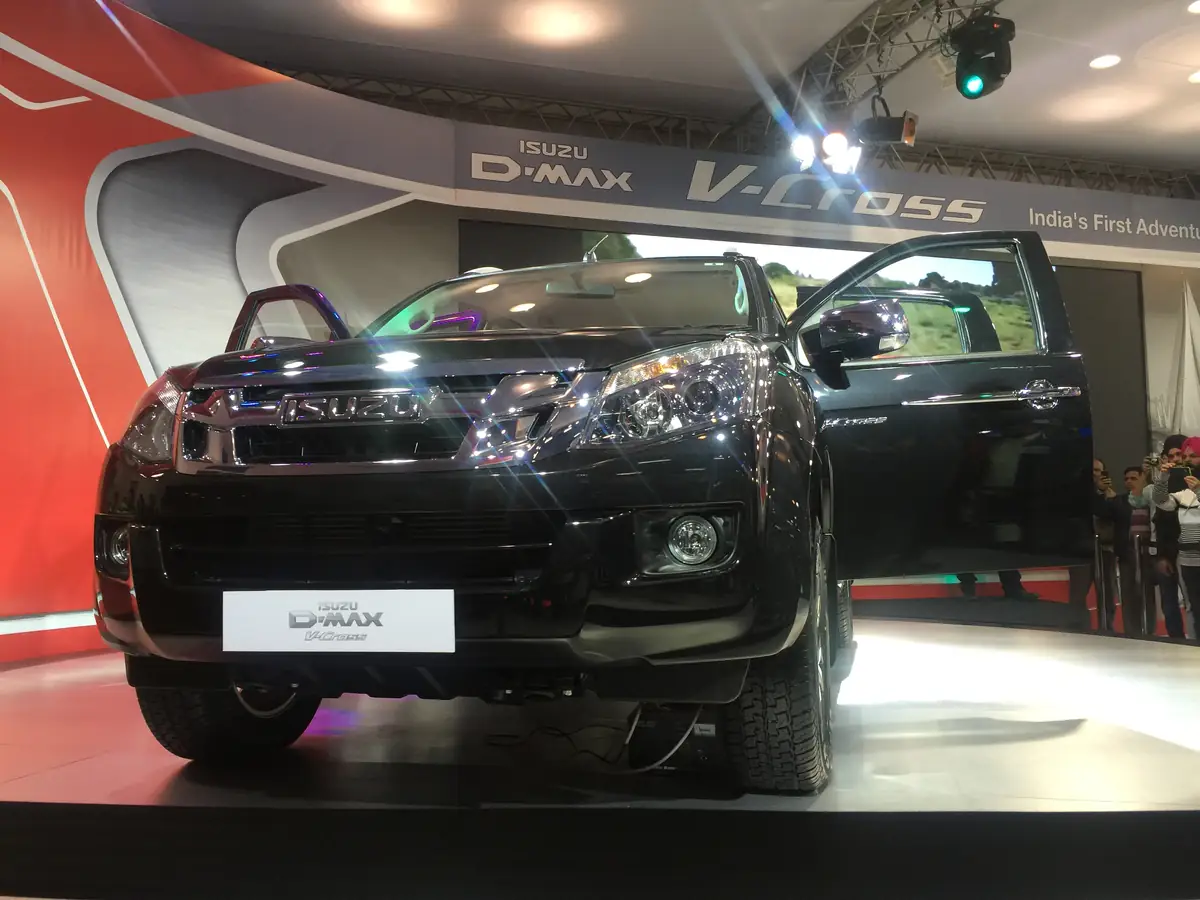
Isuzu's V-Cross has been part of the India range since 2016, with subsequent changes recorded in the manufacturer's history. An older example may differ from the current engine, gearbox, safety equipment and trim. CarTech Hub – Multi-Brand Car Workshop, Guwahati asks for the actual build and drivetrain before discussing service or parts. A six-speed automatic listing on a new page does not establish the transmission installed in every earlier pickup.
Owners should also disclose lift kits, wheel changes, accessories, auxiliary lighting and any previous body or drivetrain work. These can affect access, diagnosis and part compatibility. The workshop must confirm that vehicle dimensions, lifting requirements and requested tasks fit its facilities. A lifestyle description does not determine its registration or insurance category, and applicable pickup service is not a blanket offer to repair heavy commercial vehicles or specialized off-road equipment.
Service update: use records to decide what needs attention now
An earlier V-Cross may have a well-kept maintenance record, a gap between owners or a mixture of workshop and owner-performed tasks. Bring the records available and identify uncertainties rather than guessing. Engine-oil specification, oil and air filters, fuel filtration and relevant coolant requirements depend on the actual diesel engine. Filter housings, seals and intake connections need inspection as well as the replacement items themselves.
Manufacturer guidance, mileage, age and operating conditions determine service priorities. Dust exposure, frequent short trips and long periods unused may justify attention to different areas. A pre-trip inspection can include tyres, spare wheel, lighting, wipers, battery and visible fluid leaks. After an off-road trip or water exposure, explain what happened; a new oil change or clean exterior does not establish that joints, brakes, electrical connections and drivetrain components are unharmed.
Diagnose diesel performance and warning lights without article-based assumptions
Rough running, difficult starting and reduced response need different initial information. Record whether the symptom is temperature-related, happens under load or followed a service or refuelling event. Supported scanning can be combined with battery and charging tests, accessible wiring inspection and intake checks. A code should be interpreted in context rather than treated as proof that an expensive sensor, injector or turbocharger has failed.
Parts identification is particularly important across earlier engine and emissions specifications. A fuel filter protects the supply system, while injectors meter fuel and turbocharger-related components influence air delivery where fitted. Those functions do not establish a shared part number across generations. Injector bench work, turbo overhaul, internal engine repairs and advanced emissions diagnosis need separately confirmed capability. Removing emissions equipment or applying unverified software to conceal a warning is not offered as maintenance.
Identify the gearbox before discussing a clutch or fluid change
For a manual earlier V-Cross, slipping, judder and incomplete disengagement can involve different clutch or operating-system concerns. The friction plate, pressure plate and release bearing must be matched to the fitted transmission. Mounts and other driveline parts may also contribute to what is felt through the cabin. Inspection should explain the reason for a proposed replacement rather than treating a clutch kit as an automatic response to any vibration.
An automatic vehicle needs a separate diagnostic and fluid discussion, with the correct procedure established from its technical information. Do not copy capacities or fluid-change methods from the current range. Record when engagement or shifts become abnormal and whether the symptom changes once hot. Internal gearbox rebuilding is not assumed to be available simply because the workshop can perform supported checks or external component replacement.
Make 4x4 and suspension inspection specific to the vehicle
Confirm the actual drive layout before planning transfer-case, front drive-joint or differential tasks. Where fitted, a transfer case distributes drive within the four-wheel-drive system, and shafts and joints carry torque to the axles. Persistent mode warnings, leaks or unusual noises justify supported inspection. Follow the owner's operating instructions; forcing engagement or using inappropriate surfaces to test the system can introduce another problem.
Suspension assessment should consider the pickup's spring arrangement, bushes, dampers and the effect of modifications. A raised vehicle or altered wheel package may not use the original geometry or parts. Tyre wear, steering joints and wheel bearings should be assessed alongside spring mounts and accessible propeller-shaft condition. Specialist drivetrain rebuilding or correction of an unsupported modification requires an explicit scope decision, not a promise of universal 4x4 repair.
Choose compatible mechanical, electrical and exterior parts
For V-Cross parts in Guwahati, supply the chassis details, production year, engine and transmission information, existing component markings and useful photographs. Braking equipment must be verified before ordering pads, shoes, discs, drums or ABS sensors. A warning after wheel or suspension work may call for inspection of wiring or mounting areas rather than replacement of friction parts. Safety symptoms need attention before a road test.
Cooling and comfort complaints also need a cause established. Radiator, hoses, fan, thermostat and pump checks can help explain temperature problems. Supported AC assessment can consider blower airflow, condenser condition and electrical supply before a compressor decision. Added accessories may influence battery drain or charging concerns. Bumpers, lamps, grille sections, mirrors, tailgate fittings and cargo-bed panels should be matched to the real generation and trim; availability, price and delivery time are confirmed only after fitment and supplier checks.
Link accident repair to declared accessories and policy conditions
An earlier V-Cross accident enquiry should include photographs of the vehicle before and after damage where available, along with details of modifications and declared accessories. A bumper impact can involve mounts, cooling components or suspension beyond visible scratches. CarTech Hub can assist with an applicable inspection and estimate, while structural, restraint-system and specialist drivetrain work require confirmed capability or referral.
Cashless repair is conditional on the issued policy, insurer approval, survey and confirmed workshop eligibility. Registration class and actual use need checking rather than assuming a private-car product from the lifestyle image. Declared accessories, exclusions, deductibles and depreciation can influence what is payable. Consult the official insurer links and the paired earlier V-Cross accident guide, then call or WhatsApp CarTech Hub in Guwahati to confirm safe acceptance, a service appointment or claim-document assistance.
Official insurer claim channels
Isuzu pickup policy-class and official commercial claim information: the registration, permitted use and issued policy decide whether a private passenger or commercial goods-carrying product applies. A private-car claim link or generic cashless flag does not establish commercial-pickup eligibility.
Choose your insurer’s official claim-intimation link. Submit policy and identity information directly through the insurer’s approved channel. Its process and cashless authorization remain subject to your policy and the assessed claim.
Quick answers
Does the newest V-Cross specification apply to a 2016-era vehicle?
No automatic assumption should be made. Earlier engines, transmissions, equipment and production details need their own documentation and component checks.
Should I mention a lift kit or auxiliary lighting when booking?
Yes. Modifications can affect safe lifting, geometry, wiring, diagnostics, parts selection and the insurance discussion. Describe the changes before the workshop accepts the job.
Can an off-road vibration be identified from a message alone?
Usually not. Note speed, load, gear and when it began. Tyres, shafts, joints, mounts and suspension may need a supported inspection before a repair is proposed.
Vehicle and claim reference information
Use the manual for your exact vehicle and the issued insurance policy. These sources provide background and do not establish a workshop authorization or insurer tie-up.