In this guide
Establish the older D-MAX specification before a price enquiry
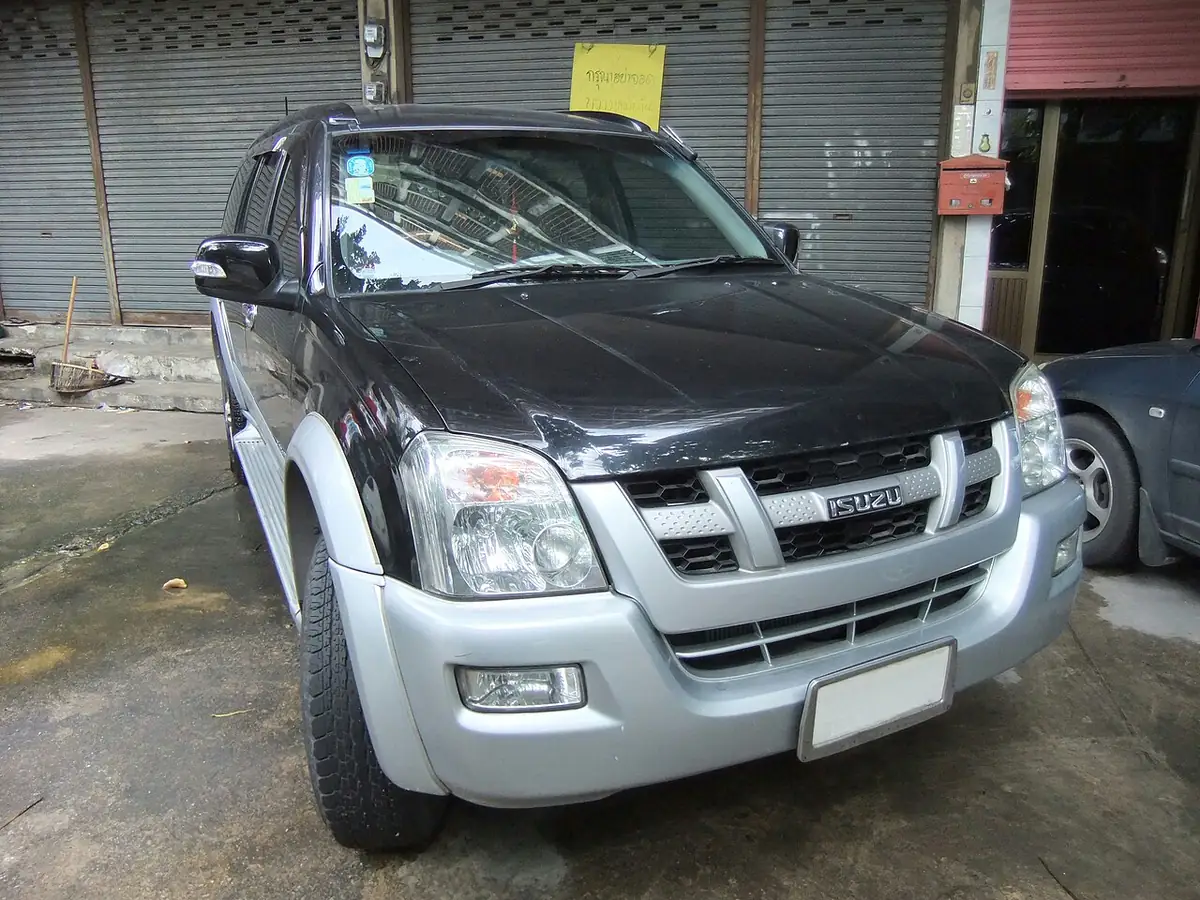
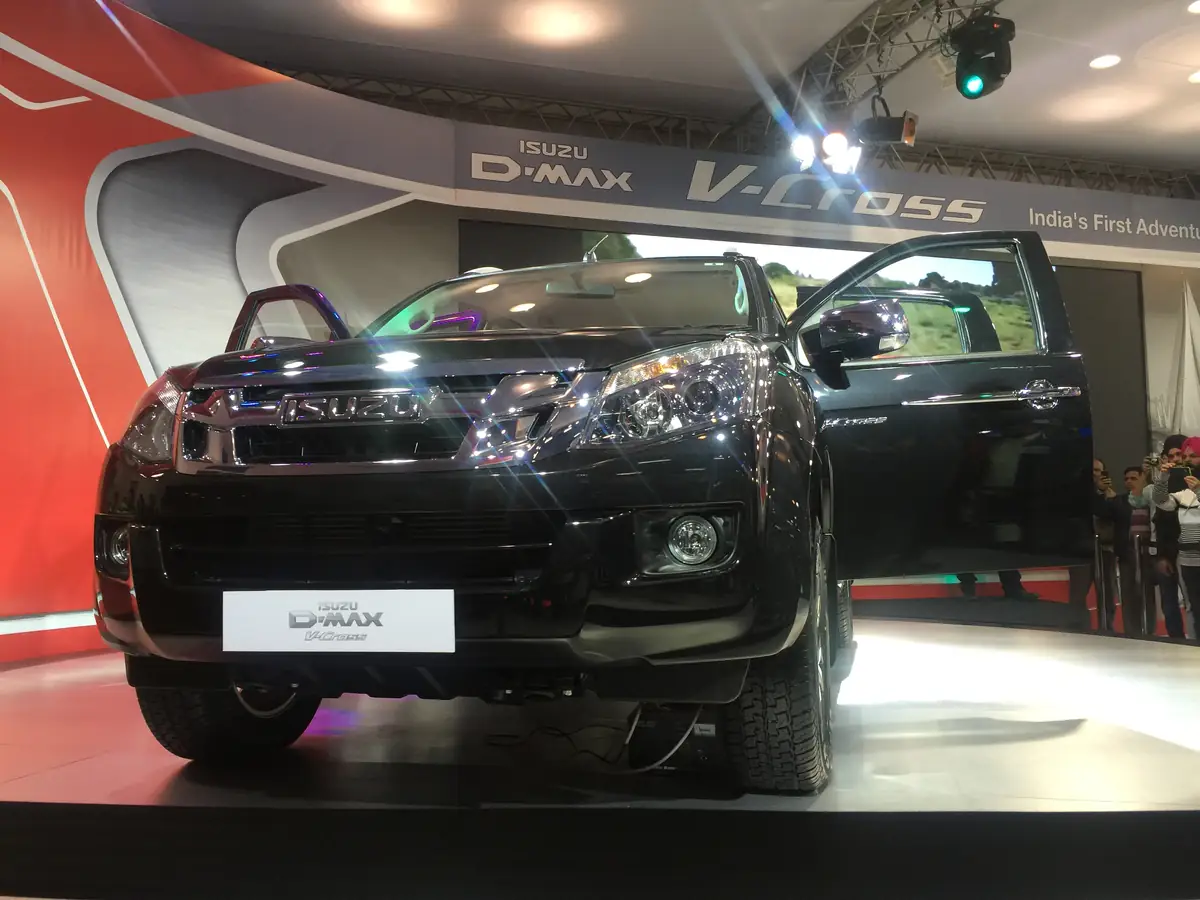
An earlier Isuzu D-MAX can have years of working history, body changes and replacement components behind a familiar model name. The India range has evolved over time, and current work-pickup specifications should not be applied backwards without checking. CarTech Hub – Multi-Brand Car Workshop, Guwahati records the chassis number, registration year, engine details, cab layout and body configuration when assessing an older D-MAX service enquiry.
An older work pickup that has been repainted, rebodied or fitted with accessories needs photographs and prior repair information as well as its registration records. Disclose the normal load and any modifications when booking. The workshop must confirm safe lift weight, dimensions, working access and accepted technical scope; applicable light-pickup support is not a promise to handle heavy commercial equipment or every converted body.
Service update: recover a usable D-MAX maintenance history
Where a pickup has changed owners or drivers, collect the available invoices and note which fluid or filter jobs are evidenced. Unknown service history should remain marked unknown until inspection and documentation clarify it. The correct engine oil, oil filter, air filter and fuel filter are selected from the actual application, not simply from a packet labelled D-MAX. Housings, intake clamps and visible leakage deserve attention alongside scheduled replacement items.
Transmission and axle-fluid requirements also need the right manual or technical reference. Do not set one replacement interval across every older engine, emission stage and operating pattern. Time spent parked, short trips, dust and load cycles can matter. For a high-mileage vehicle, record fluid consumption, starting behaviour and changes in noise between visits. These observations help plan appropriate checks without assuming that mileage alone establishes an overhaul requirement.
Separate electrical starting problems from diesel-system faults
A driver may report that the pickup is reluctant to start when the immediate issue is slow cranking. Battery condition, terminals, charging and starter-related circuits need inspection before a fuel-system quotation is proposed. If cranking is normal, the next checks depend on the actual engine and symptoms. Diagnostic equipment compatibility should be established for the model instead of promising that every older control system can be fully scanned.
Fuel filtration, accessible hoses, intake condition and relevant sensor information can be useful starting points for a running complaint. Injectors and turbocharger-related equipment must be matched to the identified engine where fitted. Specialist fuel-system work, turbo rebuilding and major engine repair require confirmed tools and expertise. Do not authorize removal of emissions equipment or unverified modifications to disguise a warning. A supported diagnosis should explain what has been found and what further assessment remains necessary.
Look for the source of cooling loss and vibration
An older pickup that regularly needs coolant added has a concern to investigate, not a normal operating routine to accept. Inspect the radiator, hose condition, pump area, thermostat-related behaviour and fan operation through appropriate supported checks. Oil leaks likewise need their origin traced; a gasket visible near an oily area is not necessarily the only source. Parts should follow diagnosis and fitment verification.
Vibration can involve engine or gearbox mounts, tyres, a propeller-shaft joint or other driveline components. Record whether it follows engine speed, road speed or load. For a manual transmission, clutch slip and poor disengagement require different observations from axle noise or wheel-bearing rumble. Confirm the fitted gearbox before specifying a clutch plate, pressure plate, release bearing or related operating components. Differential and gearbox rebuilding remain separate specialist decisions.
Check work-pickup suspension and braking for prior changes
Spring, damper and bush selection must reflect the actual vehicle, including legitimate body changes and the parts already fitted. Where rear leaf springs are present, mounting areas and associated bushes deserve attention to knocks, shifting ride height or instability. An aftermarket spring pack does not prove that the vehicle is permitted to carry more. Load ratings and the registered configuration still matter.
Brake inspection should identify the fitted disc or drum arrangement and assess relevant pads, shoes, hoses and hydraulic parts. Older vehicles may have different safety equipment from the present range, so ABS parts and procedures apply only where installed. Check tyre condition and appropriate rating alongside steering joints and bearings. Significant steering play, a changed brake pedal or fluid loss warrants a safety decision before the pickup is driven or road-tested.
Verify replacement parts and the complete cargo body
For legacy D-MAX parts in Guwahati, compare the existing component number, connectors, mounting points and confirmed application. Filters, engine mounts, belts, sensors, seals and cooling parts can differ across production periods. Parts availability, price and delivery time require a supplier check. An old invoice can help identify an item, but it should not override evidence that the wrong part was fitted previously.
The load area may need a different supplier route from the cab. Tailgates, side panels, hinges, rear lamps and wiring fitted by a body builder should be identified separately. Cab doors, glass, mirrors, bonnet and radiator support need their own match. Supported AC, alternator, battery and starter checks should also consider added electrical equipment or earlier wiring repairs. Disclose those additions so a fuse or charging concern is investigated in context.
Plan an accident enquiry around policy, condition and scope
For a work-use older D-MAX, provide the registration, applicable commercial or other issued motor policy, driver information and photographs of the accident. The distinction between previous wear, old repairs and new damage can affect the inspection and insurer discussion. An estimate may cover cabin, cargo-body, suspension or cooling damage, while structural correction and specialist body work need an accepted scope or referral.
CarTech Hub can assist with applicable accident documentation and repair coordination. Cashless availability requires policy conditions, insurer authorization, survey and confirmed workshop or network eligibility; the vehicle's badge does not establish approval. Deductibles, depreciation and non-covered items can remain payable, and difficult parts sourcing can influence timing. Use the linked official insurer directory and paired older D-MAX accident guide, then contact CarTech Hub to agree the safe inspection route and priorities before arranging delivery.
Official insurer claim channels
Isuzu pickup policy-class and official commercial claim information: the registration, permitted use and issued policy decide whether a private passenger or commercial goods-carrying product applies. A private-car claim link or generic cashless flag does not establish commercial-pickup eligibility.
Choose your insurer’s official claim-intimation link. Submit policy and identity information directly through the insurer’s approved channel. Its process and cashless authorization remain subject to your policy and the assessed claim.
Quick answers
Can I use the current D-MAX service schedule for my earlier pickup?
Only if the manufacturer information confirms it applies. Engine, build, emission specification and use can differ, so identify the actual maintenance reference first.
Should an old parts invoice be treated as final proof of fitment?
It is useful evidence, but the current component and verified application still need checking. A previous substitution or incorrect repair may need correction.
Why distinguish cargo-body parts from cab parts?
A separately built or replaced load body can use different lamps, panels, hinges and wiring from the Isuzu-supplied cab and chassis components.
Vehicle and claim reference information
Use the manual for your exact vehicle and the issued insurance policy. These sources provide background and do not establish a workshop authorization or insurer tie-up.