In this guide
Electric-car upkeep starts with a different checklist
An electric Citroën does not need a petrol service package with engine oil, spark plugs and a conventional clutch. For ë-C3X support in Guwahati, the useful starting points are the car's exact specification, service record, tyre condition, braking behaviour, suspension concerns and any displayed warnings. Tell the workshop whether the enquiry is routine inspection, a body repair or an electrical warning so the required support can be established before the visit.
CarTech Hub – Multi-Brand Car Workshop, Guwahati can scope applicable general inspections, brakes, suspension, steering, low-voltage checks, exterior parts, glass, denting and painting, accident assessment and insurance claim assistance. High-voltage battery, inverter, motor, onboard-charger and high-voltage wiring repairs are not advertised. A job needing such work requires a suitably equipped specialist and a defined safety procedure.
Distinguish the X update from earlier ë-C3 cars
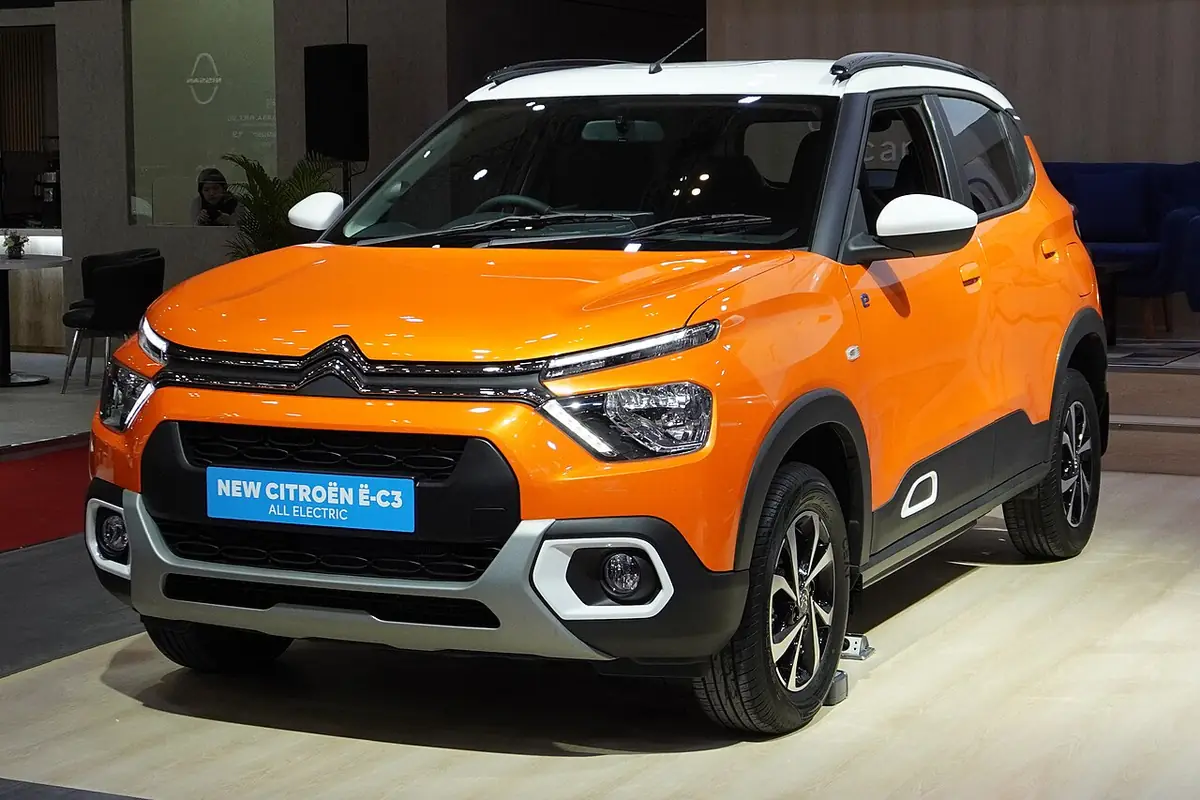
The current India range includes ë-C3X. Citroën's June 2026 announcement describes equipment and ownership-offer changes, while the September 2026 announcement introduces an EXTENDED version. A range update is not evidence that an older car has the same battery configuration, exterior lighting or accessories. This guide does not apply European ë-C3 specifications to the Indian vehicle.
Record the VIN, trim, registration year and whether the car is the EXTENDED version. Use the vehicle documentation for technical ratings and charging requirements. Certified test-cycle figures are not a promise of range on a particular Guwahati journey. Parts or service decisions should not depend on a range figure printed on an advertisement.
Understand the components without attempting high-voltage work
The traction battery stores driving energy, the inverter controls electrical power for propulsion and the motor produces drive. The low-voltage electrical supply serves a different set of functions from the traction battery. A warning or a car that will not enter its ready state does not, by itself, prove which component has failed.
Keep a record of the message, when it appeared and any event immediately before it. Do not open high-voltage covers, disconnect orange cables or attempt charging-system repairs. CarTech Hub can help establish an appropriate assessment or referral route; this owner information does not claim battery rebuilding, inverter repair, motor repair or charging-electronics capability.
Plan maintenance around the vehicle's own guidance
Use the schedule and documents supplied for the actual ë-C3X, together with age, mileage and previous work. A fixed interval borrowed from a petrol C3 or another electric car is unsuitable. Ask for a written inspection record showing observations, tasks due and any separate diagnostic work proposed. If ownership or battery-finance documents contain specific requirements, clarify those through the provider before authorising related work.
Tyres, brake fluid, wiper equipment, cabin ventilation and wear in chassis components remain relevant even though there is no combustion engine. The cabin filter serves airflow and air quality, not traction-battery performance. A low-voltage battery assessment must use a supported procedure; it is not a traction-battery health certificate.
Friction brakes still need attention
Regenerative slowing does not remove the need to inspect the car's physical brakes. Report scraping, a change in pedal feel, pulling or a warning promptly. A technician should identify the fitted front and rear arrangement and examine pads or shoes where applicable, discs or drums, calipers, hoses and related components. Parts are selected from the actual braking system rather than copied from a petrol-car list.
ABS concerns require appropriate diagnostic information and checks of sensors and wiring. Brake-fluid requirements follow the vehicle guidance. A warning reset or a casual road test does not establish that a braking defect has been resolved. The repair scope and any need for specialist assistance should be clear before work begins.
Suspension, tyres and steering affect everyday use
Uneven tyre wear, a steering pull or a new noise after a pothole impact merits inspection. Dampers and struts control wheel movement; bushes and joints locate components while allowing the intended movement. Wheel bearings have a separate rotational function. A noise should be traced rather than used as an excuse to replace all of these together.
Tyre size, pressure guidance and replacement specification are checked against the vehicle. Mechanical damage must be corrected before alignment is expected to restore handling. For a long trip, include tyre condition, visible underbody damage, lighting, wipers and glass. Report an underbody strike even if the car still drives normally, because visible body condition does not establish the state of the battery enclosure.
Cooling comfort and exterior parts need an EV-aware approach
Poor AC airflow can warrant a cabin-filter or blower assessment, while weak cooling may involve other faults. The equipment must first be identified. Any procedure involving high-voltage AC components or related electrical isolation requires appropriately qualified support; the workshop should not treat it as an ordinary belt-driven compressor job.
For lights, mirrors and body fittings, the X trim matters. Confirm lamp technology, connectors, mounting points, mirror functions and accessories before ordering. A bumper cover, lamp bracket, grille or door glass from an earlier version may look similar without being correct. Availability, compatibility, price and delivery time are established after the car and required part are verified.
Accident assessment, insurance and booking support
An ë-C3X collision estimate should distinguish cosmetic panel damage from possible wheel, suspension, restraint, structural or battery-area involvement. Welding, lifting, paint-process exposure and dismantling require an EV-appropriate repair plan. A visibly repairable bumper does not authorise work on the battery area. Where high-voltage or structural concerns exceed the available support, specialist assessment is arranged before accepting that part of the job.
CarTech Hub assists with accident inspection, estimates and motor insurance documentation. Cashless availability is subject to the insurer, policy terms, survey, claim approval and confirmed workshop/network eligibility. Battery ownership or finance arrangements do not themselves establish motor-policy coverage. Deductibles and non-payable items may remain with the customer.
The ë-C3X accident guide explains the claim enquiry route; use official insurer claim links for intimation. Book an inspection, call or WhatsApp CarTech Hub with the version and concern. Reviews and directions and contact details help organise the visit.
Official insurer claim channels
Choose your insurer’s official claim-intimation link. Submit policy and identity information directly through the insurer’s approved channel. Its process and cashless authorization remain subject to your policy and the assessed claim.
Quick answers
Does ë-C3X need a regular engine-oil and clutch package?
No. It is an electric vehicle without a petrol or diesel engine and conventional driver-operated clutch. Inspection and maintenance must follow the actual EV specification.
Can a low-voltage check prove the traction battery is healthy?
No. These are distinct systems. A low-voltage result cannot certify traction-battery condition, and high-voltage diagnosis requires appropriate specialist capability.
Can the car be repaired normally after an underbody strike?
It needs assessment first. Disclose the impact and any warning so battery-area, structural and other specialist requirements can be identified before lifting, dismantling or body work.
Vehicle and claim reference information
Use the manual for your exact vehicle and the issued insurance policy. These sources provide background and do not establish a workshop authorization or insurer tie-up.