In this guide
Plan longer-term ownership from the car's own records
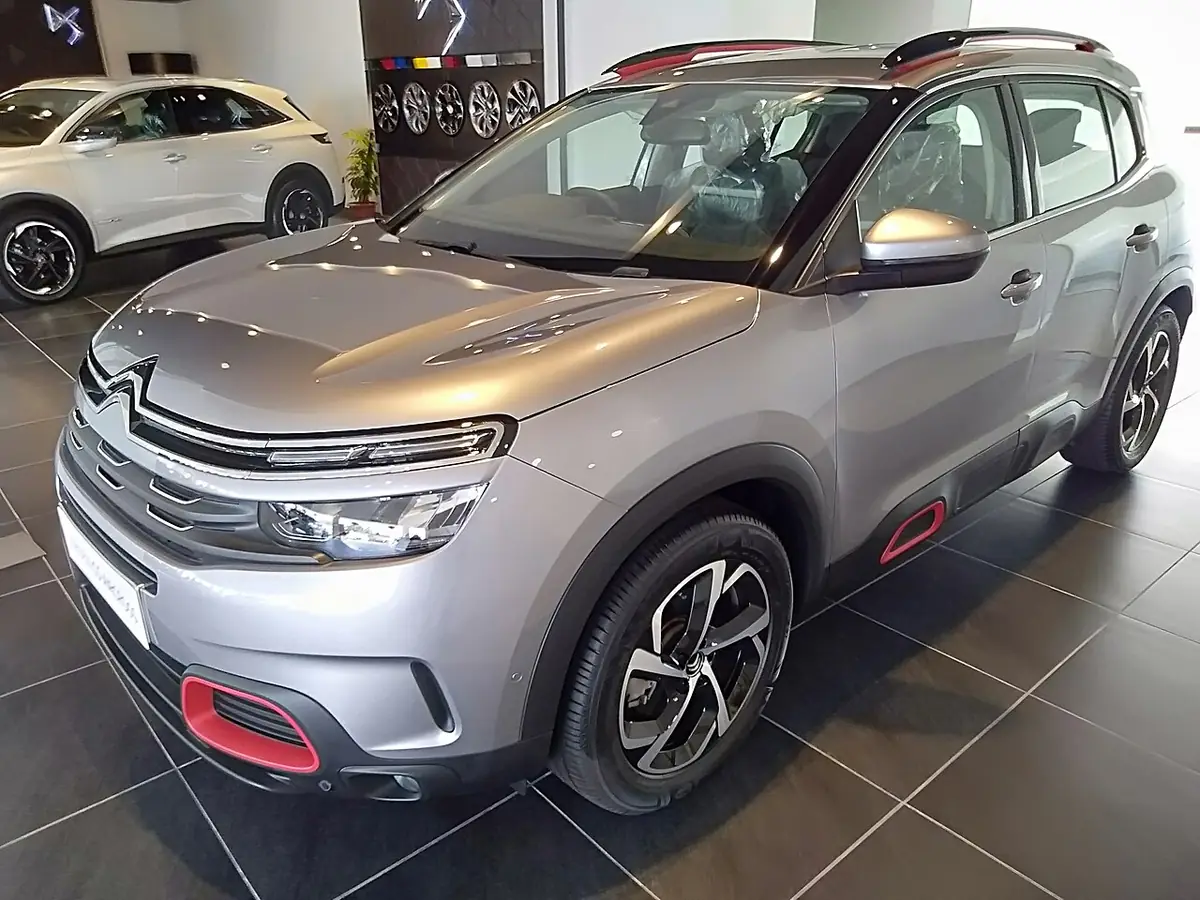
Keeping an earlier premium SUV dependable is easier when the service history explains what was done, why it was done and which parts were fitted. For an earlier Citroën C5 Aircross repair enquiry in Guwahati, collect maintenance invoices, previous diagnostic findings and any accident-repair documentation. Those records help prevent repeated replacement of a part without resolving the underlying concern.
CarTech Hub – Multi-Brand Car Workshop, Guwahati can establish the scope for general servicing, supported diesel and electrical diagnosis, mechanical inspection, brake and suspension repairs, AC enquiries, compatible parts replacement, body repair and insurance claim assistance. The actual job determines whether specialist tools or an external qualified route are required. Manufacturer authorisation, warranty approval and universal premium-system repair capability are not claimed.
Identify the earlier India vehicle before using new information
The original Indian C5 Aircross specification used a 2.0-litre diesel with an eight-speed automatic. Earlier trims and pre-facelift cars require their own identification for lights, bumpers, glass, cabin equipment and repair procedures. They should not be assigned petrol manual, plug-in hybrid or electric specifications taken from another market.
Newer Indian facelift information can help explain changes, but it does not confirm component interchangeability. Overseas new-generation announcements are a further separate context. Use the VIN and build data rather than the most recent search result when ordering. The current India C5 guide and Citroën directory provide a route to related information without replacing earlier-car records.
Check gaps in maintenance, not just the latest mileage
Compare the vehicle's applicable schedule with entries for engine oil, oil filter, fuel and air filtration, fluids and previous repairs. Time matters alongside mileage, especially after periods of low use. A low odometer reading cannot establish that rubber parts, a low-voltage battery or a fluid service is current. Conversely, age alone does not prove that an assembly needs replacement.
The diesel engine requires the correct oil approval and filter, not a product chosen only by viscosity or another Citroën model's recommendation. Fuel filtration protects a different system from intake filtration. The cabin filter affects ventilation. Keep these tasks distinguishable in the invoice. Petrol spark-plug and ignition-coil packages are not normal service items for this diesel vehicle.
Use previous repairs to guide a new diagnosis
If a running problem has returned, bring the earlier report and explain how long the repair helped. Starting difficulty, unusual smoke, vibration and reduced power are separate symptoms. Supported checks can examine battery and starting performance, fuel supply, intake condition, mounts, relevant connections and diagnostic information. Replacing an injector or turbocharger should follow evidence, not the fact that one was suspected previously.
Diesel after-treatment concerns require appropriate procedures and technical knowledge. Do not assume a reset, additive or regeneration is suitable in every case. The workshop should confirm what investigation is available, what approval is needed and when a specialist is required. Major engine, high-pressure fuel or advanced electronic repairs are accepted only when the necessary support is established.
Separate a leak, overheating and driveline vibration
An inspection should identify the fluid and location of a leak before it is called a gasket failure. Cooling-system assessment can involve hoses, radiator, thermostat, water pump and fan operation. The correct coolant and procedure follow the vehicle information. A repeated low level or overheating warning should not be managed by continued driving and topping up without investigation.
The eight-speed automatic has no conventional manual-clutch service requirement. Report engagement delay, changes when warm or a vibration under particular loads. Its fluid specification and level-check procedure must be correct for the unit. Mounts, driveshafts or wheel-related issues can also create a sensation described as transmission trouble. Internal automatic work needs a confirmed specialist repair route rather than an assumption based on a general-service booking.
Inspect the components that preserve ride comfort
When the ride changes, describe which road surface, speed and corner of the car appear involved. The relevant dampers, bushes, control arms, ball joints, stabilizer links, tie-rod ends and wheel bearings should be examined for actual damage or play. Replacing one item with an unsuitable specification can undermine the intended ride even if it fits physically.
Tyre condition and pressures also affect comfort and steering. Alignment should follow correction of mechanical faults. For braking, inspect the fitted friction components, discs, calipers, hoses and rear arrangement according to the concern. ABS or electronic parking-brake warnings need suitable diagnostic capability; they should not be dismissed because the brake pads look thick.
Cabin systems and electrical repairs need a clear scope
A weak-AC complaint might concern airflow, cooling at idle, noise or uneven temperature. These require different checks of filters, blower, condenser airflow, leakage, compressor operation or controls. The system must be identified before parts and refrigerant-related work are approved. Repeated charging without finding the source of a loss can leave the underlying issue unresolved.
For electrical problems, distinguish battery condition, alternator output, starter performance, lamps, sensors and wiring. Earlier equipment may differ from the facelift even when switch shapes look similar. Body electronics, restraint systems and calibration tasks require appropriate tools and competence. Agree what is included in the diagnostic appointment and what may need specialist follow-up.
Older body specification matters after an accident
Check whether a previously repaired area is involved in the new damage. Bumper skins, grilles, headlamps, mirrors, glass and brackets must match the earlier vehicle's build. A new-style exterior component should not be assumed to fit or work electrically. Inspect panel gaps, mounts, seals, latch operation and underlying supports as relevant; a cosmetic estimate may expand if hidden damage is found.
Part availability, technical compatibility, price and delivery time will be confirmed after vehicle and variant verification. Structural work and safety-system repairs require a technically appropriate route. Keep maintenance, pre-existing damage and the new accident scope separate so the estimate can be understood by both owner and insurer.
Insurance assistance and the next workshop visit
CarTech Hub can help organise inspection findings, photographs, estimates and insurance documents. Cashless repair availability depends on policy terms, survey findings, insurer approval and confirmed workshop/network arrangements. An old defect is not automatically admissible in a new accident claim. Deductibles, depreciation and non-covered items may remain payable even where cashless authorization is obtained.
See the earlier C5 accident and insurance guide and official motor-claim directory. Book a service appointment, call or WhatsApp CarTech Hub with the VIN and prior repair record. Reviews and workshop directions provide the location links.
Official insurer claim channels
Choose your insurer’s official claim-intimation link. Submit policy and identity information directly through the insurer’s approved channel. Its process and cashless authorization remain subject to your policy and the assessed claim.
Quick answers
Does low mileage make all time-based maintenance unnecessary?
No. The applicable schedule includes requirements that can depend on elapsed time as well as distance. Inspect condition and review records rather than assuming low mileage means nothing is due.
Can an earlier C5 use facelift lamps because the engine is similar?
Engine similarity does not establish lamp or body compatibility. Check build details, mountings, connectors and functions before pricing a replacement or considering a retrofit.
Should I mention a previous repair when claiming for new accident damage?
Yes. Separate prior condition and new damage so inspection and documentation are accurate. The insurer assesses admissibility under the policy; an estimate should not conceal pre-existing issues.
Vehicle and claim reference information
Use the manual for your exact vehicle and the issued insurance policy. These sources provide background and do not establish a workshop authorization or insurer tie-up.