In this guide
An earlier electric car needs its own ownership record
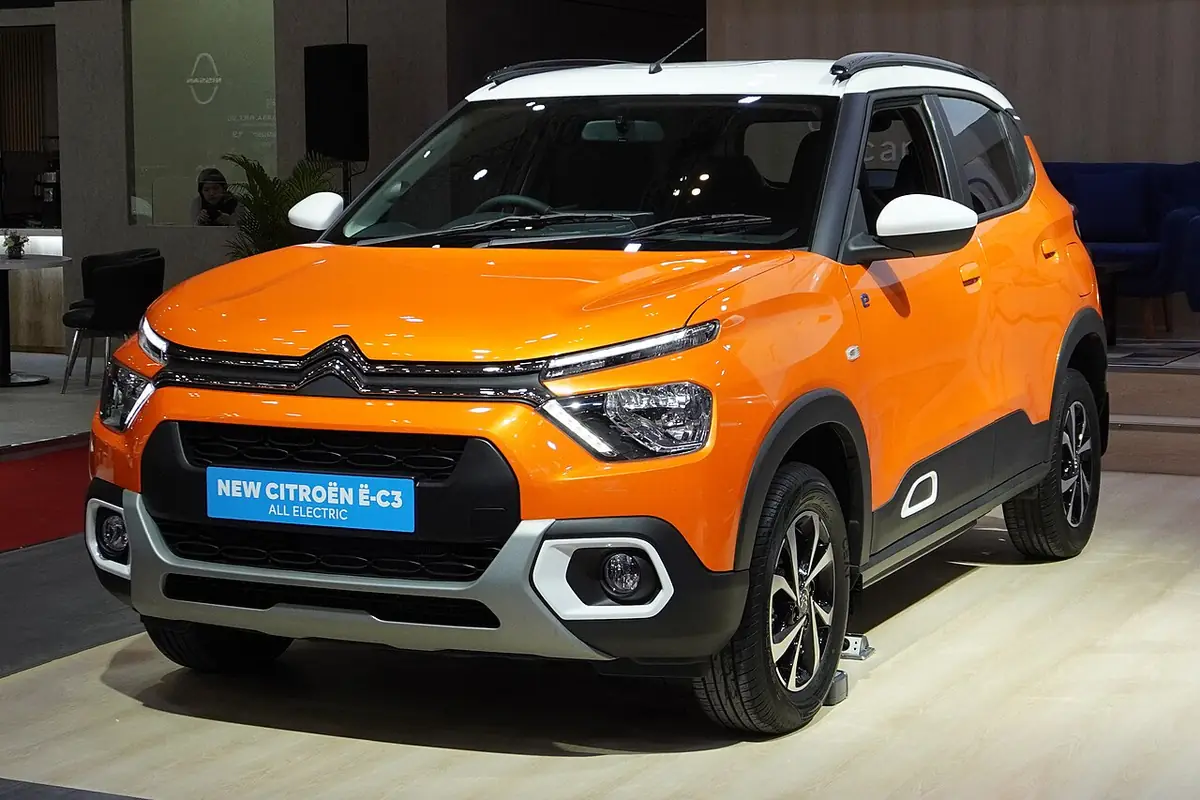
For a used or long-owned ë-C3, the most helpful starting point is a reliable record of the car itself: build year, VIN, trim, maintenance entries, accident history and any unresolved warnings. The names ë-C3 and eC3 describe the electric owner group here; they do not require duplicate pages or separate parts assumptions. If you need earlier Citroën ë-C3 inspection in Guwahati, tell CarTech Hub what has changed in everyday use.
CarTech Hub – Multi-Brand Car Workshop, Guwahati can assess applicable brakes, suspension, steering, tyres, low-voltage concerns, exterior lighting, glass, body parts and accident damage, with denting, painting and insurance-documentation support scoped to the vehicle. It does not advertise high-voltage battery, inverter, motor, charging-system or high-voltage wiring repairs. Such concerns need the appropriate qualified specialist.
Keep India, Europe and later X versions separate
Citroën's 2023 announcement describes the Indian ë-C3 as an electric model developed for the region. It is not the same owner-information context as later European vehicles carrying a similar name. Its traction drive and electronic selector also do not make it a petrol automatic with engine-service requirements.
The later Indian ë-C3X and EXTENDED announcements should not be used to promise an older car the same equipment, battery configuration or range. No retrofit is implied. Check the exact vehicle documentation for charging requirements and technical ratings; a current brochure cannot replace an earlier car's own handbook and service information.
Build an inspection list appropriate to an EV
This car has no combustion-engine oil filter, spark-plug service, conventional manual clutch, alternator or starter-motor replacement schedule. A generic petrol package that lists those items is unsuitable. Instead, examine the manufacturer requirements for the actual electric car and record age, mileage and previous maintenance. Specify which inspection or replacement is due rather than treating the absence of engine work as the absence of maintenance.
Cabin filtration, wiper equipment, brake fluid, tyres and chassis wear remain relevant. Check the correct specifications and time-based requirements. If history is incomplete, begin with a condition assessment and document uncertainties. CarTech Hub should explain what can be inspected locally and what needs a separate specialist appointment before the owner authorises work.
Distinguish a low-voltage concern from traction-system health
A low-voltage battery supports the car's control and accessory functions, while the traction system supplies driving energy. A starting or ready-state concern is not automatically proof of a damaged traction battery. Provide the warning message, time of occurrence and any previous low-voltage replacement details. Supported checks should preserve useful diagnostic evidence and follow the vehicle procedure.
The traction battery, inverter and motor perform different roles; a fault message alone cannot identify a replacement component. Charging complaints should be described with the context and passed to appropriately qualified support where needed. Do not open enclosures, disconnect high-voltage cables or attempt to repair a charger. A general workshop inspection must not be presented as a high-voltage battery-health certification.
Brakes still work when regenerative slowing is present
The physical braking system needs inspection even when the driver notices regenerative deceleration. Report scraping, pulling, a pedal change or a warning. Identify the fitted front and rear components before quoting pads, shoes, discs, drums or calipers. Brake hoses, fluid requirements and relevant ABS sensors or wiring belong in a reasoned assessment of the concern.
Uneven use or wear cannot be diagnosed from the vehicle's electric badge alone. The condition record should explain what was observed and which parts require attention. Any procedure involving supported service modes or advanced brake controls must use the appropriate equipment. A warning reset without finding the cause is not a completed repair.
Tyre, suspension and steering concerns deserve evidence
Note whether a vibration changes with road speed, whether a pull followed a pothole impact and whether tyres show uneven wear. Tyres, wheel condition, bearings, dampers, bushes, control arms, joints and steering components can contribute in different ways. Inspect the relevant area before replacing a full suspension set or attributing every noise to a bearing.
Alignment is considered once mechanical condition is sound. Tyre pressure and replacement specification follow the vehicle information rather than figures borrowed from the petrol C3. A visible underbody impact should be disclosed even if no warning appeared. The correct assessment route is established before lifting or dismantling near the battery area.
AC and body parts need exact-system identification
Poor airflow can lead to a cabin-filter or blower investigation; weak cooling may have other causes. Confirm the system before accepting work. Electric AC equipment or procedures requiring high-voltage isolation must be handled by qualified support, not treated as an ordinary engine-driven compressor repair.
Earlier ë-C3 lamps, bumpers, trim, grille, mirrors and glass need build-specific checks. A newer X headlamp or accessory is not presumed compatible. Inspect mountings, connectors and functions before ordering. Availability, price, compatibility and delivery are confirmed after the exact component and vehicle are identified. A correctly labelled reference photo can help a preliminary enquiry but cannot certify fitment.
Accident repair and insurance have separate approvals
Assess body damage, wheel and suspension condition, glass, restraint involvement and any underbody concern together. A damaged outer panel can be repairable while adjacent systems need a specialist. Paint-process exposure, welding, lifting and dismantling require an EV-aware plan; cosmetic appearance does not clear the battery enclosure. Structural and high-voltage work are not promised without the necessary capability.
CarTech Hub can help with photographs, an estimate and motor insurance paperwork. Cashless authorization and claim admissibility remain subject to policy terms, survey findings, insurer approval and confirmed workshop/network eligibility. Normal wear, pre-existing faults, deductibles and non-payable items require separate consideration; they are not automatically accident-covered.
Read the earlier ë-C3 claim guide and use the official insurer links. Book an inspection, call or WhatsApp CarTech Hub with the build year and concern. Reviews and workshop directions help arrange the visit.
Official insurer claim channels
Choose your insurer’s official claim-intimation link. Submit policy and identity information directly through the insurer’s approved channel. Its process and cashless authorization remain subject to your policy and the assessed claim.
Quick answers
Are ë-C3 and eC3 separate cars requiring different service pages?
They are common written forms of the same model name in this earlier Indian owner group. The actual build, trim and vehicle documentation determine the relevant service and parts.
Does a newer EXTENDED announcement increase my older car range?
No. A new-range announcement does not establish a retrofit or change an existing vehicle specification. Follow the original car documents and seek the proper technical assessment for concerns.
Can body repair begin before a battery-area impact is assessed?
Not where the impact creates an unresolved safety or technical concern. Establish the EV-aware inspection and specialist requirements before accepting related lifting, dismantling, welding or paint work.
Vehicle and claim reference information
Use the manual for your exact vehicle and the issued insurance policy. These sources provide background and do not establish a workshop authorization or insurer tie-up.