In this guide
Start with the damage, not a whole-car paint package
A scrape across two panels, a sharp door dent and faded paint present different customer needs. Grouping them all into a repaint package can obscure what is actually necessary. Good denting and painting begins with identifying the damaged surfaces, the condition already present and the finish the owner wants to restore. Fresh colour alone is not an explanation of the metal or plastic repair underneath.
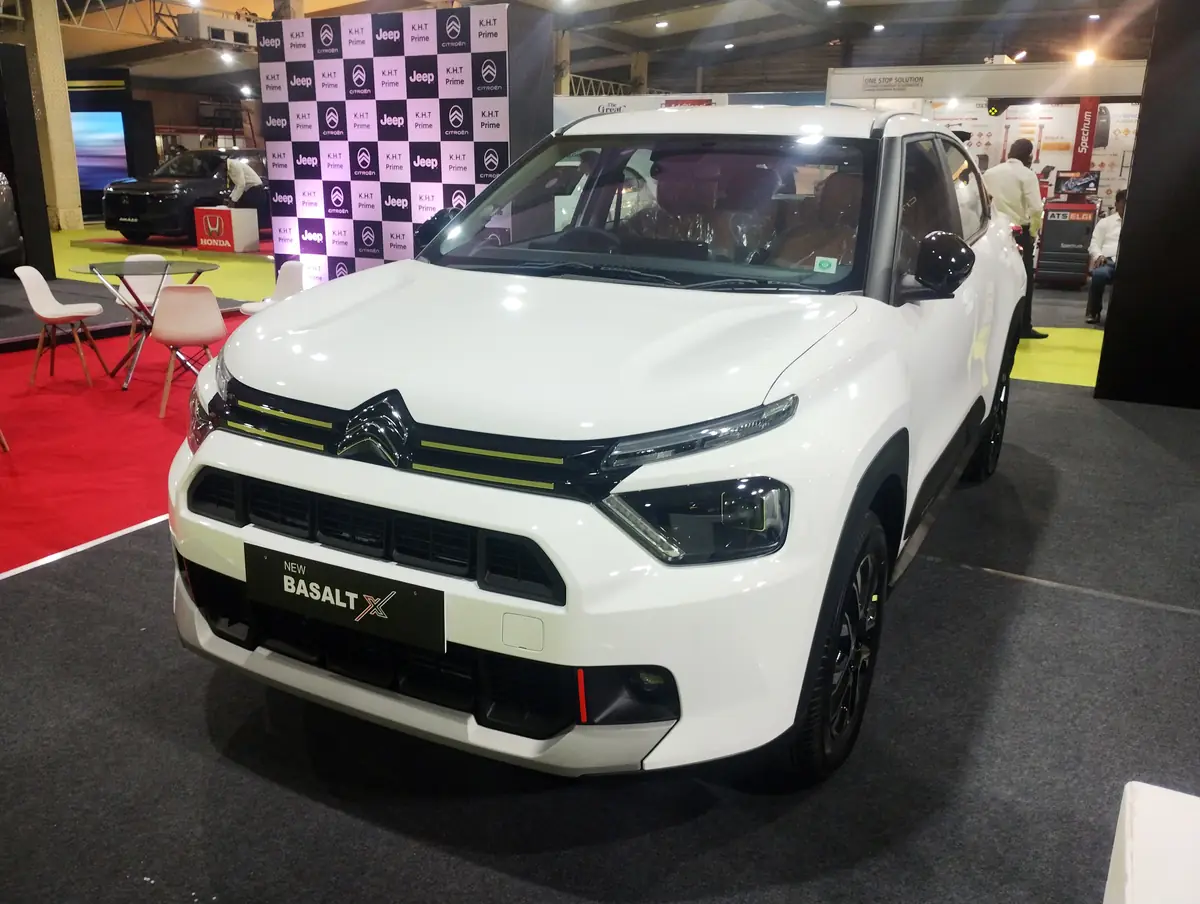
CarTech Hub – Multi-Brand Car Workshop, Guwahati can assess Citroën body damage and prepare a defined repair proposal. Bring the actual model and build information, especially when comparing a BasaltX with an earlier Basalt or another Citroën body. The SUV-coupé panels and surrounding trim should be assessed as that car's own fittings, not treated as interchangeable parts from its siblings.
Separate paint damage from panel deformation
Inspection should distinguish transferred material, a surface mark, a damaged paint layer and deformation of the panel itself. Broken plastic, damaged mountings and altered panel gaps also require their own decisions. An estimate that says painting without describing the affected part may leave the owner unsure whether the underlying damage will be corrected.
Describe any earlier refinishing, filler, corrosion or previous repair you know about. These details help set expectations when a new accident overlaps older work. Where an opening binds, a wheel rubs or the car has a new handling concern, a cosmetic appointment should expand into the appropriate supported assessment. Do not use paintwork to hide an unresolved safety-related concern.
Decide panel by panel how the job should proceed
Repair suitability depends on the material, shape, access, depth and location of the damage. A dent near an edge or attachment point may need a different approach from a broad shallow mark. Replacement may be proposed for a damaged component where a supported repair cannot achieve the required result. The explanation should connect the chosen method to the actual findings.
Any structural procedure, specialist joining or measurement beyond the workshop's confirmed capability needs an agreed specialist route. This article does not advertise unrestricted collision reconstruction. Before authorising a job, ask which panels are being repaired, which parts are being replaced and what further inspection might change the estimate.
Discuss the existing finish and adjoining surfaces
The finish on a used car reflects its age, exposure and previous work, so a colour name or code is only part of the matching discussion. Ask how the repair area and adjoining surfaces will be assessed and what refinishing scope is proposed. Decorative plastic, textured trim and metal panels do not all receive the same treatment.
The quotation should identify access work, trim handling, compatible replacement parts where needed and the planned finishing operations. Confirm the availability of clips, mouldings or badges disturbed by the repair. Price and completion timing follow the actual scope; no universal number of days is promised for every Citroën paint job in Guwahati.
Distinguish an accident claim from general refurbishment
Tell the insurer which incident caused the claimed damage and keep photographs from before repair. Older scratches or a desire for a new colour should not be described as damage from a recent collision. Follow the insurer's document and survey requirements, then have the estimate reviewed before approved accident work starts.
ACKO customers can use its official car-claim facility. Cashless arrangements at CarTech Hub are not assumed: policy terms, survey findings, insurer approval and confirmed workshop or network eligibility determine availability. Deductibles, depreciation and non-covered or unapproved work can remain customer-payable. Keep optional cosmetic work separate from the authorised claim so the owner understands the contribution.
Review the finish and keep the agreed record
At delivery, review the repaired contours, visible finish, relevant gaps, trim security and the operation of openings affected by the work. The final discussion should explain any agreed limitation or item outside the scope. Follow the repair provider's care guidance rather than assuming every newly finished surface should be treated identically.
Book a Citroën damage inspection or insurance enquiry with CarTech Hub and include photographs showing the whole affected side. The inspection can then establish a useful estimate for denting, painting, compatible parts and claim coordination, with the final scope agreed before the work begins.
Official insurer claim channels
Choose your insurer’s official claim-intimation link. Submit policy and identity information directly through the insurer’s approved channel. Its process and cashless authorization remain subject to your policy and the assessed claim.
Quick answers
Can every scratch be corrected with polishing?
No. The assessment must distinguish surface marks from damage through the finish or into the panel. The appropriate method follows the condition found.
Will an accident claim pay for all old paint damage on the car?
Existing wear, older scratches and optional refurbishment should be separated from the reported incident. The insurer decides admissibility under the policy.
Why does a paint estimate include trim removal or clips?
Access and finishing requirements can involve adjoining trim and attachment items. Ask for a clear explanation of each included operation and required part.
Vehicle and claim reference information
Use the manual for your exact vehicle and the issued insurance policy. These sources provide background and do not establish a workshop authorization or insurer tie-up.