In this guide
A maintenance plan beyond the exterior styling
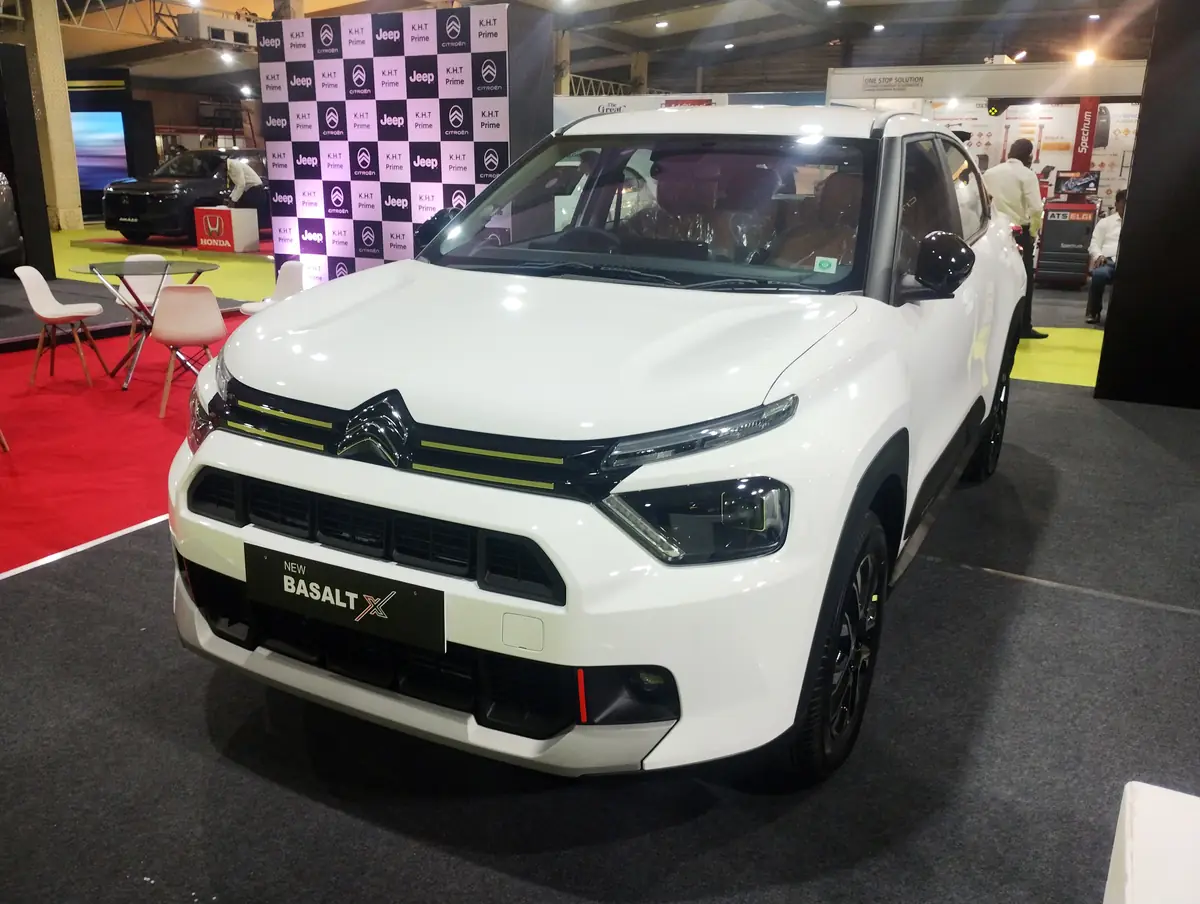
The BasaltX's coupé-influenced body shape is easy to recognise, but it does not identify the engine, gearbox, equipment level or service work needed underneath. For Citroën BasaltX servicing in Guwahati, begin with the registration year, VIN and records of previous work. Tell CarTech Hub whether the concern is poor running, a braking vibration, an electrical warning or accident damage so the appointment allows time for the right investigation.
CarTech Hub – Multi-Brand Car Workshop, Guwahati supports general servicing, mechanical and diagnostic assessment, applicable brake, suspension and AC repairs, parts replacement, denting and painting, accident repair and insurance claim assistance. The agreed work depends on the car's condition and available technical support. Manufacturer recalls, warranty decisions and repairs needing unconfirmed specialist capability are routed appropriately.
What the BasaltX update does and does not tell you
Citroën's current India range uses the BasaltX name. Published choices include naturally aspirated and turbocharged 1.2-litre petrol engines, with five-speed manual, six-speed manual or six-speed automatic according to version. September 2026 range changes added YOU Turbo and MAX naturally aspirated options; the announcement also identifies petrol/CNG availability for relevant NA versions. Verify any fitted gas system through its records before accepting work on it.
The X range brings equipment changes within the Basalt family. It should not be treated as proof of an entirely different generation, nor as a reason to assume all trim and electronic parts interchange. An earlier Basalt service invoice can be helpful history, but its part numbers still need checking against this vehicle.
Decide what is due before replacing consumables
The service booklet establishes the applicable time and distance requirements. Combine that with mileage, vehicle age and previous invoice entries for oil, filters, fluids and plugs. A new owner without complete history can ask for a documented baseline inspection. That identifies uncertainty without claiming that every consumable has failed.
Engine oil requires the correct specification as well as the appropriate quantity and interval. Its filter, intake air filter and cabin filter protect different systems and must not be confused. Spark plugs ignite the petrol mixture; ignition coils supply their electrical energy. A misfire complaint needs evidence about ignition, fuelling and mechanical condition before these parts are replaced. Fuel-filter service depends on the installed arrangement, not simply the word petrol on a checklist.
Trace a running problem before selecting a repair
Record when a vibration happens: starting, idling with AC, accelerating or travelling at a steady road speed. Engine mounts support the powertrain, while tyres, shafts and joints can cause a vibration related to road speed. A test that separates engine speed from road speed is more informative than ordering mounts immediately.
On turbo-petrol cars, inspection may include intake hoses, connections, sensor information and the cooling system when performance changes. A non-turbo BasaltX needs a different parts path. A scan result should be assessed alongside the physical fault; it does not automatically authorise a sensor, injector or turbo replacement. For overheating, investigate leaks, fan operation, radiator condition, thermostat operation and circulation before discussing major engine work.
Treat manual and automatic transmission complaints differently
A manual car's clutch plate, pressure plate and release bearing work together, but difficulty selecting a gear can also involve the release mechanism, mounts or selector. Describe whether it occurs with the engine running, whether it worsens when warm and whether there is a noise. Dismantling should follow a justified estimate and customer approval.
The automatic option uses its own transmission specification and service procedure. A shift concern is not evidence that the car needs the manual version's clutch kit. CarTech Hub can establish the supported diagnostic scope and seek specialist input for internal repairs where required. Fluid products and replacement procedures must be confirmed for the actual gearbox rather than chosen from a generic multi-brand recommendation.
Brake, suspension and wheel checks are connected
A brake inspection can assess pad material, disc condition, caliper movement, hoses and the rear components actually fitted. A pull requires tyre and suspension considerations too. For ABS warnings, the relevant sensors, connections and diagnostic information need investigation. Replacing brake pads alone will not necessarily resolve a warning lamp.
After repeated rough-road use, explain knocks, uneven tyre wear or changes in straight-line behaviour. Dampers, struts, bushes, ball joints, tie-rod ends and wheel bearings have separate roles. The examination should find play, damage or leakage and connect it to the symptom. Alignment follows any necessary mechanical correction; it cannot repair a bent component or worn joint.
AC, low-voltage electrics and update-specific fittings
Weak cooling may involve poor airflow, a leak, condenser damage, blower performance or electrical control. A compressor quote should follow an assessment rather than a top-up that quickly loses its effect. Confirm refrigerant and service requirements from the vehicle information. Electrical enquiries can include battery condition, alternator output, starting circuit, fuses, relays and supported wiring checks.
The BasaltX equipment level matters for lamps, mirror functions, cameras and interior accessories. Replacing a mirror or headlamp requires the correct control and connector arrangement. Advanced electronics, restraint systems or calibration work should be directed to suitably equipped support; a similar appearance does not establish compatibility or capability.
Protect the body shape and the claim evidence
For a rear or side impact, inspect the tailgate, glass, seals, lamp mounts, quarter-panel area and panel gaps as relevant. A bumper cover may hide bracket or reinforcement damage. Repairability is decided after access and assessment, and paint preparation follows the agreed repair area. Part availability, technical compatibility, price and delivery time are confirmed after the BasaltX variant and required component are verified.
CarTech Hub can prepare estimates and help coordinate insurance documents, but insurer approval governs admissible accident repairs. Cashless availability depends on policy conditions, survey findings and confirmed workshop/network eligibility. Deductibles, depreciation and non-covered items may be payable by the customer. Ordinary maintenance is kept distinct from the collision estimate.
Use the BasaltX accident and insurance page and official insurer links for claim planning. Book service, call or WhatsApp CarTech Hub with the VIN details and concern. You can find Google Reviews and directions and workshop contact information before travelling.
Official insurer claim channels
Choose your insurer’s official claim-intimation link. Submit policy and identity information directly through the insurer’s approved channel. Its process and cashless authorization remain subject to your policy and the assessed claim.
Quick answers
Is BasaltX one fixed engine and gearbox specification?
No. Naturally aspirated and turbo petrol variants, manual and automatic choices, and relevant CNG records require identification. Confirm the fitted powertrain before parts or fluid recommendations.
Can a wheel-alignment visit fix a knock after an impact?
Alignment measures and adjusts wheel geometry within the vehicle procedure. A knock can come from damage or wear that needs physical inspection and correction first.
Are body styling changes enough to identify a replacement tail lamp?
No. Build details, connectors, mounting points and the exact component specification must be checked. A photograph helps an enquiry but does not replace compatibility verification.
Vehicle and claim reference information
Use the manual for your exact vehicle and the issued insurance policy. These sources provide background and do not establish a workshop authorization or insurer tie-up.