In this guide
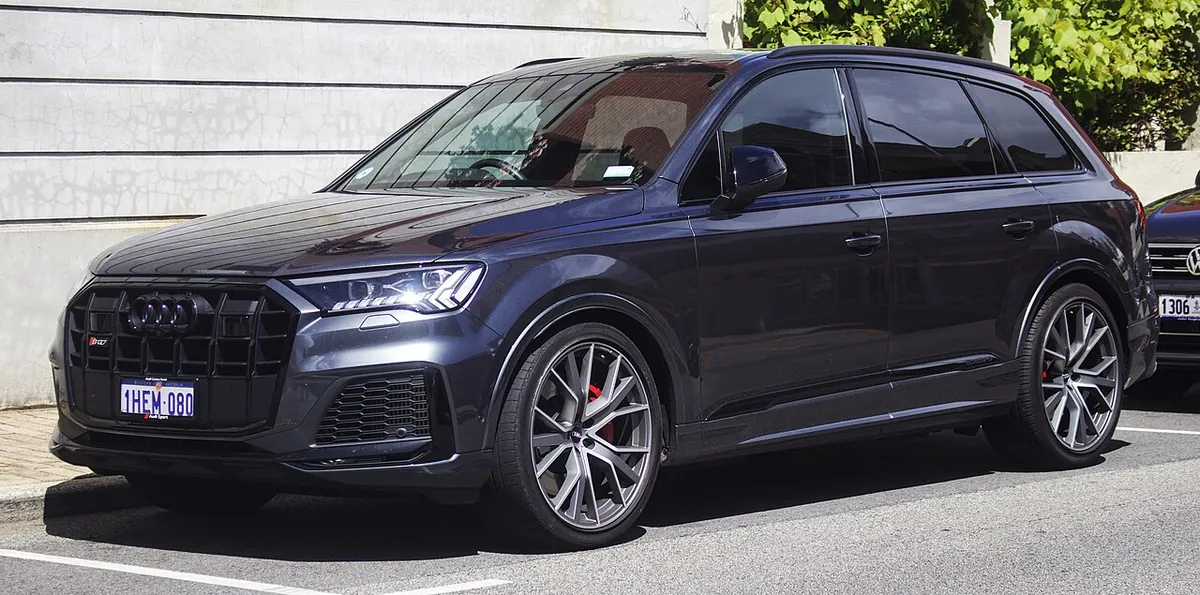
A vehicle described as an SQ7 needs more than an ordinary Q7 service list. Imported diesel and petrol builds, performance brakes and advanced chassis equipment can require different inspection and sourcing decisions. CarTech Hub – Multi-Brand Car Workshop, Guwahati helps owners organize applicable assessment and compatible-parts enquiries after identifying the actual vehicle. Share market, year, fuel type and symptoms through CarTech Hub contact. The proposed task and required expertise determine acceptance; general luxury-car information does not promise every V8, transmission or active-system repair.
Identify V8 TDI or TFSI and fitted systems
The SQ7 family includes older V8 TDI and later 4.0 V8 TFSI configurations with market-dependent equipment. Manufacturer information for identified petrol builds describes eight-speed tiptronic and permanent quattro. These are not ordinary India Q7 V6 parts assumptions, nor a reason to apply one specification to every older import. Current Indian Q7 availability does not establish a verified SQ7 new-car offer.
A 48V chassis or active-roll circuit is a different question from mild-hybrid powertrain classification. Do not label every petrol SQ7 mild hybrid solely because chassis equipment uses 48V. The Audi owner guides connect related models while actual documents determine which systems are fitted to this car.
Establish service timing and seasonal priorities
Use manufacturer instructions for the vehicle's build, any due-service display and previous maintenance evidence. Oil approval, oil/air/cabin filters and cooling requirements follow the actual engine. Diesel fuel filtration, emissions observations and glow-related concerns differ from petrol plugs and ignition coils. Transmission and drivetrain-fluid advice requires identification and the relevant guidance rather than one interval for every SQ7.
Before extended travel from Guwahati, review tyre condition, braking observations, coolant condition, battery health, warning messages and cabin cooling. Monsoon preparation also considers visibility and sealing concerns. Record the findings and separate urgent issues, planned maintenance and tasks requiring specialist investigation instead of promising complete preventive restoration from a generic package.
Diagnose engine and cooling concerns on evidence
Describe a starting issue, rough running, performance change, warning or fluid observation with its conditions. Supported inspection and fault information guide further investigation but do not independently prove failure of a turbocharger, injector or control unit. Mounts, hoses, radiator, water pump, thermostat and relevant sensors need their correct application and condition checked. A petrol and a diesel V8 may need very different tests.
If front contact caused cooling loss, the Audi radiator accident guide addresses that claim-related route. Unrelated leakage or service wear must remain separate. Advanced engine rebuilding, turbo restoration, emissions-system internals or protected diagnostics require confirmed expertise and equipment, with referral where the proposed specialist operation is unsupported.
Match braking, air suspension and steering equipment
Identify actual brake material and package before assessing pads, discs, sensors, hoses and fluid requirements. Ceramic components need their appropriate specialist route; refurbishment is not a routine promise. Air or adaptive suspension, rear steering and active-roll equipment must be verified before lifting or technical recommendations. Arms, links, bushes, bearings and steering joints are inspected according to condition and permitted methods.
A changed ride height or harsh ride does not identify a failed compressor or damper without assessment. Tiptronic/quattro symptoms similarly need actual unit identification, tyres, mounts and shafts considered. Internal transmission, active chassis and rear-steering repair require separately confirmed competence. General inspection does not establish programming, protected adaptation or complex system rebuilding capability.
Source the specific parts and comfort-system work
An SQ7 estimate should identify the affected component, axle or side and applicable reference. V8 cooling paths, brake packages, lamps, bumpers and trim should not inherit a regular Q7 list automatically. Compatibility, supply basis, price and delivery time follow verification; immediate stock of every imported performance component is not guaranteed. Explain any retained fittings and specialist setup before ordering.
AC performance, battery and electrical complaints follow the actual equipped systems and supported diagnostic scope. Affected 48V or other electrified work requires qualified clearance before removal, lifting, heating or painting. Specialist electric-compressor work, air-system setup, protected coding and calibration may need referral. Keep education about technology distinct from operations the workshop can demonstrably accept.
Plan the assessment and insurance pathway
For incident-related concerns, consult the SQ7 accident and claim page. Official intimation facilities or guidance appear in the Audi insurer directory; a workshop claim enquiry supports coordination instead of registering the insurer claim. Imported/premium vehicle acceptance and cashless workshop/network eligibility require individual checks, with possible policy-dependent charges remaining payable.
Book an SQ7 inspection enquiry with year, fuel, equipment and service records. Agree accepted checks, compatible parts and specialist dependencies, then retain the diagnosis and completed-work evidence. Google Reviews and directions provide CarTech Hub's official Guwahati location and review options for attending an appropriate assessment or arranging a precise follow-up.
Official insurer claim channels
Audi policy evidence and official claim channels: a general motor policy or an EV product page does not prove acceptance of this premium vehicle, approved parts, battery cover or CarTech Hub cashless eligibility. Confirm registration, declared use, insured value and repair scope with the insurer.
Choose your insurer’s official claim-intimation link. Submit policy and identity information directly through the insurer’s approved channel. Its process and cashless authorization remain subject to your policy and the assessed claim.
Quick answers
Does SQ7 48V active-roll equipment prove mild-hybrid powertrain?
No. Chassis electrical equipment and engine hybrid classification are different. Identify the actual vehicle and systems before applying guidance.
Can an ordinary Q7 V6 cooling list select imported SQ7 V8 parts?
No. Fuel type, engine, generation and actual component references must be matched before sourcing.
Does an SQ7 uneven ride height identify a failed air compressor?
Not by itself. The fitted suspension and possible causes require qualified assessment using correct access and lifting procedures.
Vehicle and claim reference information
Use the manual for your exact vehicle and the issued insurance policy. These sources provide background and do not establish a workshop authorization or insurer tie-up.