In this guide
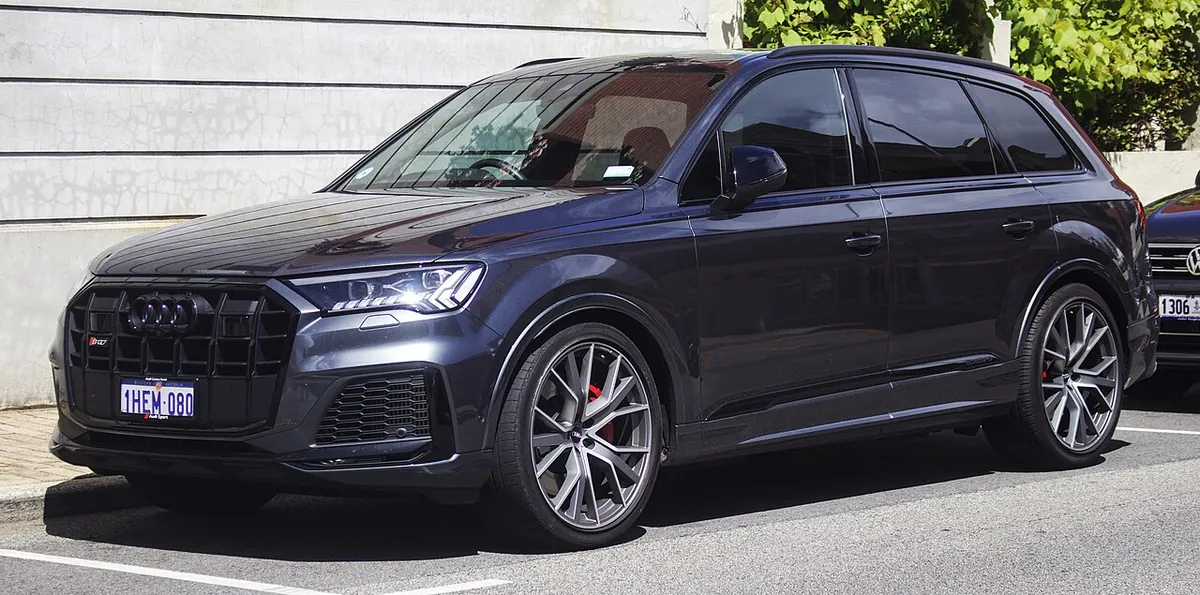
An imported SQ7 collision can raise body, wheel and active-chassis questions that a regular Q7 estimate does not answer. CarTech Hub – Multi-Brand Car Workshop, Guwahati helps coordinate applicable Audi SQ7 accident inspection and motor-insurance enquiries with those distinctions clear. This page supports individually identified owner vehicles rather than claiming a verified current Indian SQ7 offer. The repair proposal follows the actual V8 powertrain and fitted equipment, with technical acceptance and insurer authorization considered separately before specialist work or payment is promised.
Describe the accident and receiving conditions
Share the impact direction and any fluid leakage, damaged tyre, insecure panel, warning or changed ride height. Wheel, steering or restraint damage may require appropriate transport and specialist receiving decisions. Discuss the condition through CarTech Hub contact before bringing the car. Avoid normal driving as a diagnostic test, and do not attempt electrical isolation or intervention in exposed restraint equipment.
Safe photographs should cover the complete vehicle, affected corners and nearby attachments. Record previous body or suspension work and any declared modifications. Earlier wear or a pre-existing opening fault must be separated from what changed during this incident, providing a sound basis for both technical inspection and an honest claim estimate.
Identify the SQ7 powertrain and chassis package
The SQ7 maintenance and parts guide distinguishes older V8 TDI and later V8 TFSI builds. Ordinary Indian Q7 V6 information is not a substitute. Actual gearbox, brakes, lighting, air/adaptive suspension, rear steering and wheel equipment need verification. A 48V chassis circuit must not be treated as automatic proof of mild-hybrid petrol powertrain, although its own safety and specialist requirements still matter.
Parts compatibility is checked through the exact vehicle and relevant references. Lamps, bumper trim, cooling hardware and suspension components are not purchased solely because they resemble another Q-series assembly. Supply timing and cost follow inspection; neither immediate stock nor insurer acceptance of a proposed foreign-market component is assumed.
Follow wheel and body damage into adjacent systems
A front assessment considers bonnet security, bumper mounts, lights, cooling supports and relevant radiator or condenser damage. Side contact can affect doors, glass, pillars, quarter areas and wheel clearance. Rear inspection includes tailgate, lamps, attachments and sealing. The Audi suspension accident guide explains why an altered steering position or ride height needs investigation beyond the painted panel.
After a wheel strike, relevant tyres, wheels, hubs, brakes, steering and suspension mountings require appropriate inspection. Fault messages alone do not identify a particular active-roll, air-suspension or drivetrain component for replacement. Structural, restraint and driver-assistance equipment may need specialist measurement, diagnostics or calibration, with the provider and scope confirmed before that work is accepted.
Confirm specialist capability before repair methods
Permitted denting, replacement and refinishing depend on material, damage depth and manufacturer instructions. Structural joining, safety-system work, ceramic brake assessment or advanced chassis operations require verified equipment and expertise, with referral where needed. CarTech Hub does not promise internal tiptronic/quattro rebuilding, active-roll restoration, rear-steering programming or unrestricted protected coding because it assists with an insurance enquiry.
Affected 48V or other electrified systems require qualified clearance before lifting, removal, heat or painting. Use actual access and repair procedures rather than a generic luxury-SUV method. Agree any adjacent colour work, specialist checks and completion evidence before commencement. A fresh exterior finish cannot certify correct structure, electrical condition or restraint readiness after a significant accident.
Register the claim and authorize the inspected scope
Applicable own-damage insurance may consider admissible accident repairs. Third-party-only cover does not pay to restore the insured SQ7 itself. Verify imported/premium vehicle declarations, policy terms and any endorsements with the actual insurer. Follow official reporting facilities or labelled guidance in the Audi insurance directory and keep the acknowledgment. A CarTech Hub claim enquiry coordinates workshop assistance rather than registering the motor claim.
Provide requested policy, vehicle, driver, incident and photographic documents, coordinate survey where required and submit the component-based estimate. Await the relevant decision before covered repair starts. Damage found during permitted assessment may need supplementary authorization. Financial approval controls admissible payment; it does not replace technical qualification, and approval of a wheel or panel is not consent to renew every worn chassis component.
Establish payment eligibility and delivery documentation
Until the arrangement is verified, the status is Insurance Claim Assistance Available – Cashless Eligibility to Be Confirmed. Individual policy acceptance, claim approval and CarTech Hub workshop/network conditions require confirmation. Deductibles, applicable depreciation, excluded materials and unapproved work may remain payable. Ask which specialist costs, imported components and related checks are actually authorized rather than assuming that cashless means every repair is free.
Book an SQ7 accident assessment enquiry with the model, fuel and damage details, subject to receiving and technical acceptance. At delivery, review approved repairs, relevant functions, panel fit and specialist reports, retaining the claim record. The Audi model hub connects related guidance, while Google Reviews and workshop directions lead to the official CarTech Hub Guwahati profile.
Official insurer claim channels
Audi policy evidence and official claim channels: a general motor policy or an EV product page does not prove acceptance of this premium vehicle, approved parts, battery cover or CarTech Hub cashless eligibility. Confirm registration, declared use, insured value and repair scope with the insurer.
Choose your insurer’s official claim-intimation link. Submit policy and identity information directly through the insurer’s approved channel. Its process and cashless authorization remain subject to your policy and the assessed claim.
Quick answers
Can an SQ7 wheel impact be assessed as paint damage alone?
Relevant wheel, tyre, brake, steering, suspension and mounting condition should be established before the complete repair proposal is agreed.
Does SQ7 insurer approval establish active-chassis repair capability?
No. Financial authorization and the repairer’s verified equipment, procedures and expertise are separate requirements.
Does an SQ7 cashless arrangement cover every worn component found?
No. The insurer assesses admissible incident damage under the actual policy. Existing wear, optional work and non-covered items may remain customer-payable.
Vehicle and claim reference information
Use the manual for your exact vehicle and the issued insurance policy. These sources provide background and do not establish a workshop authorization or insurer tie-up.