In this guide
A coolant leak after an Audi Q5 front impact changes the priorities of the repair enquiry. The painted bumper may draw attention, but the cooling system needs assessment before the vehicle is used further. CarTech Hub – Multi-Brand Car Workshop, Guwahati helps owners organize an accident inspection that identifies which cooling components are affected and why. The objective is to separate incident damage from an unrelated overheating problem, verify the actual system layout and obtain a technically suitable, insurer-approved repair proposal.
Report leakage or overheating without driving for a test
The radiator transfers heat from the cooling circuit. Front damage can affect its core, tanks, mounting or connected hoses, while neighbouring components may also move. A coolant warning, leak or temperature concern should be reported; continuing to drive can create further damage. Do not open a hot cooling system. Arrange receiving or transport advice through CarTech Hub contact instead of trying to confirm the fault by a longer journey.
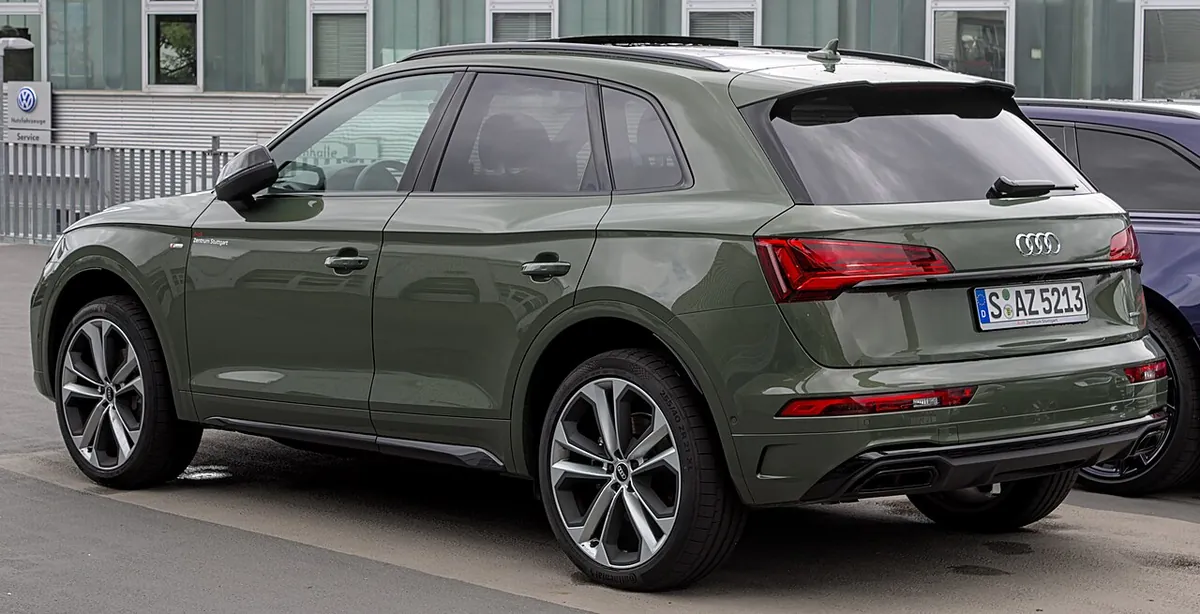
The Q5 accident and insurance guide connects cooling damage to the front-end assessment. Describe the impact and any coolant or overheating concern that existed beforehand. Initial observations help plan inspection, but a wet patch alone cannot identify the failed component. The radiator, hoses, supports, fan assembly and other fitted cooling parts need their relevant checks before repair or replacement is recommended.
Identify the actual engine and cooling arrangement
Q5 generations and powertrains can have different cooling components. Vehicle identification, engine details and equipment guide radiator and hose compatibility. A combustion-engine radiator must not be confused with an EV battery thermal circuit or another auxiliary cooler. The Q5 service and maintenance page provides related ownership information, while this accident estimate follows the circuits and parts installed on the inspected car.
The component list should identify the radiator, relevant hoses, mounts and any damaged neighbouring items rather than quote a universal complete cooling pack. Suitable parts, price and delivery time are confirmed after verification. CarTech Hub does not guarantee immediate supply or advertise specialist thermal-system work without established capability. An Audi-branded part description or a shared engine badge is not sufficient to prove that the mounting, connections and system requirements match.
Evaluate leakage, support condition and suitable replacement
The inspection follows the damaged component and its connections, with appropriate technically supported leak or system checks. Repairability depends on material, damage severity and permitted procedures; replacement may be necessary when a suitable repair cannot be established. Distorted supports or contact with neighbouring components also need attention, otherwise a newly fitted radiator can remain stressed. The proposal should explain the identified cause rather than substitute parts until the symptom disappears.
Correct filling, fluid specification and prescribed system procedures must be matched to the vehicle. Complex cooling, high-voltage and 48-volt concerns require qualified assessment and clearance before affected removal, heating or lifting. Specialist operations may need referral. CarTech Hub does not claim universal access to protected Audi diagnostics or every thermal-system procedure. The estimate should identify the operations that are accepted and those needing a suitably equipped specialist provider.
Distinguish accident cover from ordinary cooling repairs
An own-damage policy may consider admissible accident-related radiator damage subject to its terms. Wear, corrosion, maintenance failure or pre-existing leakage is not automatically part of a front-impact claim. Third-party-only insurance does not pay for the insured vehicle's repairs. Continuing to drive after a warning can create additional questions about resulting damage; report the condition honestly and ask the insurer what evidence and inspection it requires.
Use the official route in the Audi insurer directory and retain its reference. The insurance enquiry form supports CarTech Hub's workshop coordination rather than registering the insurer claim. Survey and authorization may be required before work. An initial bumper approval is not permission to replace every cooling component; findings and any supplementary estimate should be submitted for the insurer's relevant decision.
Confirm costs and specialist scope before proceeding
Insurance Claim Assistance Available – Cashless Eligibility to Be Confirmed remains the default until the arrangement is verified. Deductibles, applicable depreciation, excluded fluid or consumables and unrelated service work can remain payable. Refer to general insurer information for policy resources. The financial authorization and technical acceptance are separate: insurer approval of a damaged component does not establish the workshop's capability for a complex cooling or electrified-system operation.
Collect the cooling assessment and completion record
Book an accident inspection, stating that coolant leakage or a temperature warning is involved. At delivery, review the agreed components, documented checks, correct-system procedures and any specialist report, plus outstanding maintenance recommendations. Keep the evidence with claim papers. The Audi hub links companion guides, and workshop reviews and directions provide official Guwahati location links for the appointment or a follow-up about a precisely described cooling symptom.
Official insurer claim channels
Audi policy evidence and official claim channels: a general motor policy or an EV product page does not prove acceptance of this premium vehicle, approved parts, battery cover or CarTech Hub cashless eligibility. Confirm registration, declared use, insured value and repair scope with the insurer.
Choose your insurer’s official claim-intimation link. Submit policy and identity information directly through the insurer’s approved channel. Its process and cashless authorization remain subject to your policy and the assessed claim.
Quick answers
Does coolant under an accident-damaged Q5 prove the radiator has failed?
No. Hoses, connections and other cooling components may also leak. A vehicle-specific inspection establishes the source and affected parts.
Can I continue driving an Audi with a cooling warning after an impact?
Do not use driving as a diagnostic test. Arrange appropriate receiving or transport advice; continued operation can create further damage.
Will a bumper approval cover radiator replacement automatically?
No. The insurer assesses documented cooling damage and authorizes the relevant scope separately, including any supplementary findings.
Vehicle and claim reference information
Use the manual for your exact vehicle and the issued insurance policy. These sources provide background and do not establish a workshop authorization or insurer tie-up.