In this guide
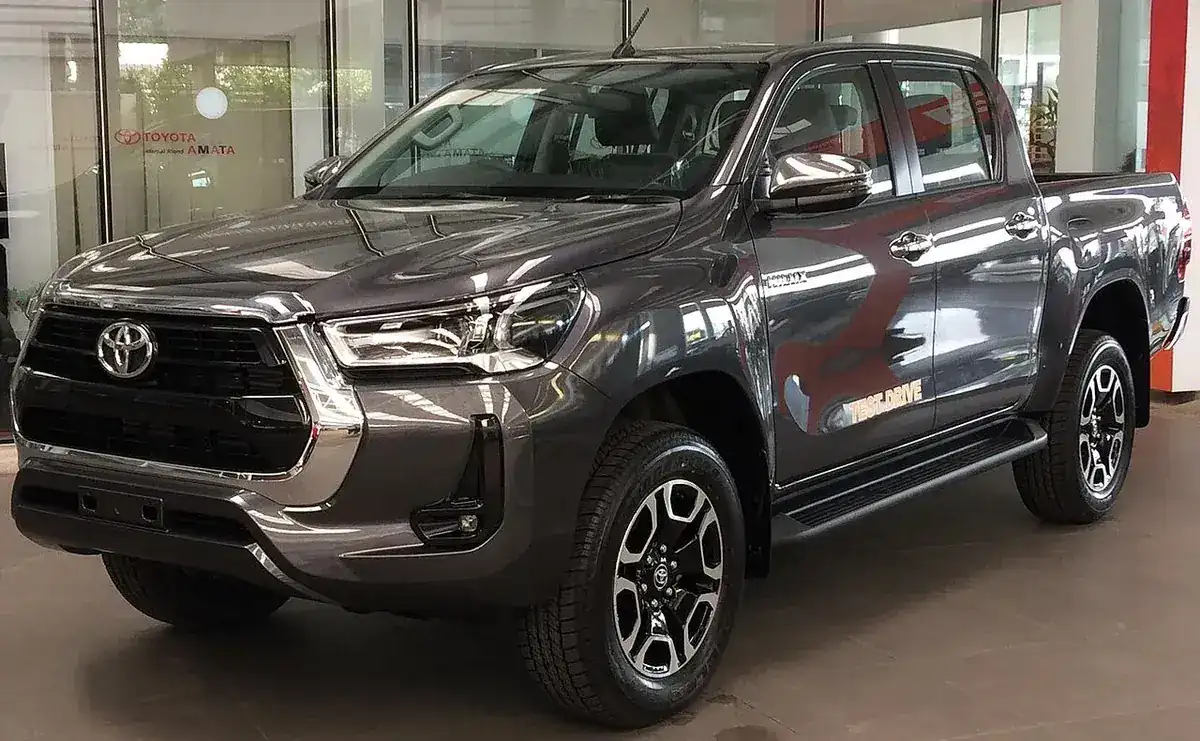
A dented Toyota Hilux cargo bed can be an accident-repair issue, a loading incident or damage associated with accessories. Those situations are not interchangeable for insurance purposes. CarTech Hub in Guwahati can discuss a Hilux body-repair enquiry and help the owner organise documents for National Insurance. Before concentrating on a cashless estimate, confirm the vehicle's registration, insured use and account of the incident. A pickup body does not by itself establish the policy category or covered loss.
Explain how the cargo-bed damage happened
Write down whether the Hilux was struck by another vehicle, contacted an obstacle or was damaged during loading. Record known details about cargo, accessories and who was using it. Do not relabel a loading event as a road collision. Photograph the bed, tailgate, damaged side and any relevant surrounding scene safely. If the tailgate is insecure, cargo could fall or a rear wheel is affected, stop use and discuss recovery. Injury or third-party damage needs appropriate reporting alongside the vehicle assessment.
Check registration, policy use and declared equipment
Supply the RC and policy schedule so the insurer can confirm their vehicle category and conditions of use. Do not assume that personal ownership permits every business or hire activity, or that a cargo bed automatically means a commercial policy. Disclose the actual use at the time of loss. A canopy, bed liner, roll bar or other accessory may affect access and insured scope; record what was fitted and whether it was declared. National Insurance decides the policy application, not the workshop.
Identify the Hilux specification for repair parts
Year, VIN, trim and driveline determine compatible components. Current and older Hilux configurations should not be mixed when ordering lights, tailgate items, bed panels or supporting hardware. Check four-wheel drive from vehicle records rather than from its appearance. The correct handbook governs recovery and maintenance. Repair quotations should state which body parts are being repaired or replaced and how attached equipment will be handled, without promising that uncommon panels are already in stock.
Inspect the bed and its connections
Assessment can consider bed floor, outer panels, tailgate, hinges, latch, lamps, mounting points and the frame relationship according to the impact. A bent tailgate is not proof of frame damage, while a scraped panel is not proof that mountings are unaffected. CarTech Hub can explain the proposed accident-repair assessment. Frame alignment, welding or safety-related structural work needs confirmed expertise, equipment and an appropriate repair method. Arrange referral where those requirements cannot be met.
Separate insured body damage from cargo loss
The vehicle repair estimate should not silently include damaged goods or personal belongings. Cargo cover, accessory cover and the motor policy's own-damage section may be different matters. Ask the insurer which documents and policy apply to each loss. Keep loading records or supporting evidence when relevant, but do not assume a receipt alone proves that all cargo was insured.
Contact National Insurance through a verified channel
Use the official National Insurance website to find current claim guidance, or contact the issuing office named on your policy for the applicable motor claim route. Keep the claim acknowledgement. Applicable own-damage cover is needed for the insured Hilux's eligible repair. Liability-only insurance does not automatically pay for its cargo-bed damage, and permitted-use conditions remain important.
Build the estimate and survey file
Common supporting records include the policy, RC, driver's licence, claim declaration, requested identification and photographs. Provide documents relevant to registered use if the insurer requests them. The itemised estimate should distinguish body parts, paint, labour and accessory removal or reinstallation. Explain previous bed damage or alterations. National Insurance may arrange a survey or require further evidence; confirm permission for dismantling and obtain the accepted repair scope plus customer consent before work starts. Supplementary findings should be submitted rather than assumed approved.
Confirm settlement and deductions before committing
CarTech Hub is an independent multi-brand workshop in Guwahati, without claimed National Insurance affiliation or authorized Toyota status. Cashless repair requires policy conditions, insurer approval, survey findings and workshop/network eligibility to be confirmed for this case. Ask which accessories and labour items are accepted. Deductibles, depreciation, consumables, excluded equipment or non-accident work may remain payable. When reimbursement is the agreed route, establish inspection and document requirements before paying; insurer settlement is not guaranteed by the workshop's quotation.
Delivery checks and the service update
Review bed and tailgate security, lamp function, approved mounting work and any structural inspection evidence before carrying loads again. Observe the vehicle's own load and use requirements; repaired appearance does not increase capacity. Engine oil/filter service, brake wear, suspension and driveline maintenance should remain on the correct scheduled plan, independent of the claim. The Hilux service and parts guide explains useful maintenance questions without assuming every pickup has identical equipment.
Ask for a clearly scoped appointment
Book an appointment and describe the cargo-bed event accurately. Send an insurance claim enquiry with policy-use details. Call Now for initial repair coordination, or WhatsApp CarTech Hub safe bed photographs and the vehicle year. After service, use Google Reviews for your own workshop feedback.
Official insurer claim channels
Choose your insurer’s official claim-intimation link. Submit policy and identity information directly through the insurer’s approved channel. Its process and cashless authorization remain subject to your policy and the assessed claim.
Quick answers
Does my Hilux cargo bed mean I need a commercial claim?
The RC, issued policy and actual use determine the relevant category and conditions. Ask National Insurance to confirm them instead of inferring policy type from the body shape.
Are goods damaged in the bed included in the body-repair estimate?
They should be recorded separately. Cargo or belongings may need different cover and documentation; the motor repair estimate does not establish their insurance entitlement.
Can an aftermarket canopy be replaced under the same claim?
Disclose the fitted canopy and policy declarations. The insurer assesses accessory cover and accident involvement; do not assume all added equipment is included.
The tailgate is repaired. Can I load the Hilux immediately?
Confirm bed mounting, tailgate security and any relevant structural checks before carrying loads. Follow the vehicle's permitted load and use guidance and report remaining distortion.
Vehicle and claim reference information
Use the manual for your exact vehicle and the issued insurance policy. These sources provide background and do not establish a workshop authorization or insurer tie-up.