In this guide
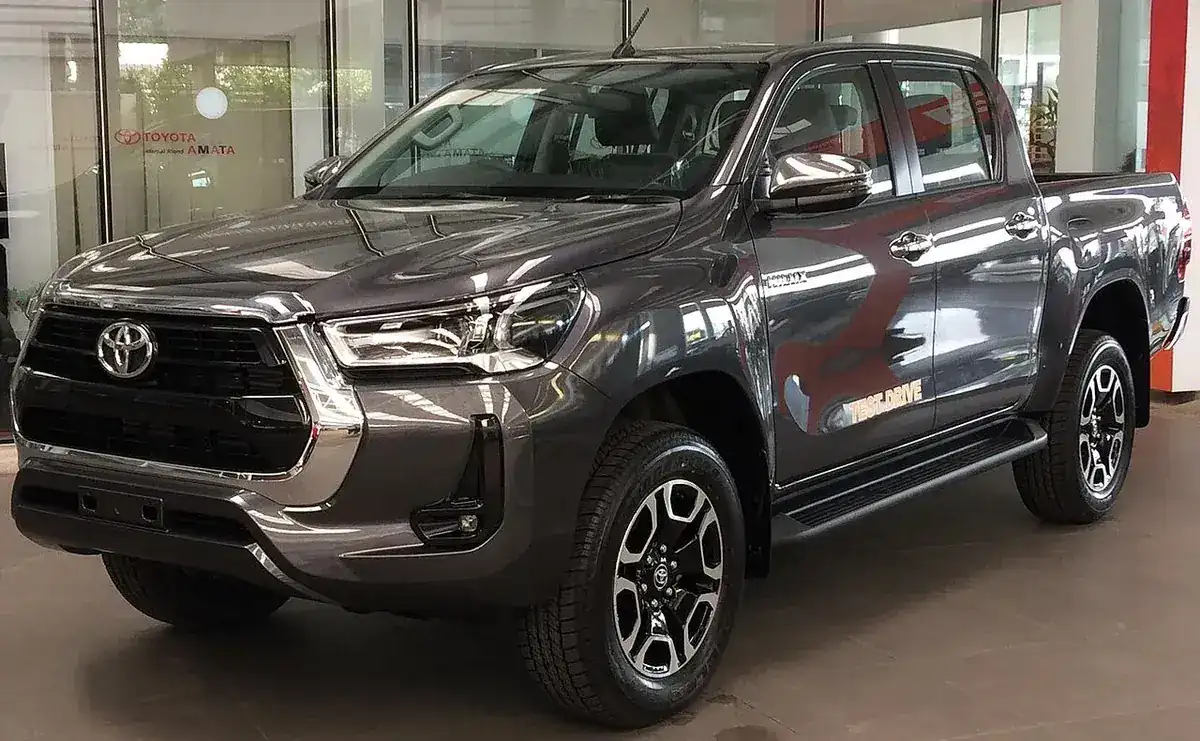
A pickup enquiry should include how the vehicle is used as well as what it is called. A Hilux carrying equipment, negotiating uneven access roads or mainly running in Guwahati traffic can need different inspection priorities. CarTech Hub helps customers discuss applicable maintenance, mechanical symptoms, body repairs and insurance documentation. This guide is written for owners who want a reasoned estimate, with particular attention to drivetrain identification, load-related observations and accident damage around the cargo body.
Identify the current or earlier Hilux correctly
Toyota's current Indian showroom lists a 2.8-litre diesel and six-speed automatic in GX 4x2, GX 4x4 and VX 4x4 grades. It is therefore incorrect to describe every current Hilux as a manual or as four-wheel drive. Earlier vehicles still require their own year-specific identification. Supply VIN, registration and selector details before parts are researched. CarTech Hub is an independent multi-brand workshop; manufacturer warranty decisions and campaigns remain matters to verify with Toyota's authorized network.
Maintenance planning should include working conditions
Bring the handbook, service receipts and mileage, plus a description of loads, dusty use and short journeys. Oil, oil filter, fuel filter and air-filter work follow the installed diesel's requirements. Inspect cooling hoses, visible leaks, tyre condition and underbody damage where safe. Off-road or rough-road use may justify extra inspection under manufacturer guidance, but not arbitrary fluid changes or an assumption that water crossings cause no harm. Avoid driving with severe overheating or a substantial leak just to reach the workshop.
Record the service update by inspected area
A pickup update can separate engine findings, front suspension, rear leaf-spring area, brakes and cargo-body condition. Note loose mountings, damaged protective pieces or uneven tyre wear. Ask which items need action now and which require specialist assessment. Photographs and measurements make the estimate easier to understand than describing every noise as a suspension overhaul.
Driveline and transmission inspection depends on 4x2 or 4x4
On a four-wheel-drive vehicle, explain whether a concern occurs in ordinary road use or after selecting another drive mode, following handbook restrictions. A 4x2 vehicle must not be quoted the same transfer-system parts. Propeller-shaft, differential and relevant axle checks depend on configuration. Automatic shift symptoms should be recorded hot or cold and under load. Internal transmission repair and complex driveline work need confirmed equipment and expertise or referral. A conventional clutch kit belongs only to an identified earlier manual vehicle, not the current automatic range.
Select diesel, chassis and pickup-body parts carefully
Potential engine work may involve filters, mounts, hoses, diagnosed injectors or turbo-related components. None should be ordered merely because a dashboard light appears. Brake pads, rear drum components, wheel bearings, steering joints, shock absorbers and leaf-spring-related pieces require fitment and condition checks. Body estimates may include tailgate hinges, cargo-bed panels, lamps, bumper brackets, bonnet, fenders and mirrors. Current and earlier front-end designs must be distinguished. Parts availability, specification and lead time should be confirmed before consent.
AC, starting and warning complaints need evidence
A diesel starting complaint merits battery, cranking and fuel-system observations rather than immediate injector assumptions. Share recent accessory wiring or auxiliary equipment installation. For weak cooling, state whether airflow is poor or the air remains warm, and whether movement helps. Condenser, fan, hose or refrigerant issues need diagnosis before a compressor recommendation. Emissions or ABS warnings require the appropriate diagnostic scope; bypassing a warning system does not resolve its cause.
Accident damage around the cab and cargo bed
A rear impact can distort the tailgate or cargo-bed supports even when the bumper is the most obvious damage. Front impact may extend to cooling components and frame-related mounting areas. Photograph safely and report steering changes, tyre contact or a shifted load. Recovery needs a competent provider following the actual drivetrain's instructions. Denting and painting should follow inspection; airbags, major structure, frame alignment and safety-system work must go to an appropriately equipped specialist if capability is unverified.
Insurance information must reflect vehicle use
Contact your insurer using the issued policy and explain the accident and vehicle use accurately. Policy, RC, driving licence, incident account, photographs and claim form are typical records, with permits, police documents or other evidence required in some cases. CarTech Hub can assist with inspection and an estimate separating fresh impact damage from wear or unrelated cargo issues. The insurer may arrange a survey. Approved repair begins after authorization, and extra damage found during dismantling should receive supplementary review where required.
Cashless eligibility depends on the policy, insurer approval, survey findings and the applicable workshop/network arrangement. Pickup use classification and any modifications should be disclosed, rather than assuming all damage or carried goods are covered by the motor claim. Deductibles, depreciation where relevant and other non-payables can remain payable by the owner. Processes differ between insurers; review the contribution and completion documents before delivery. Check the insurer directory alongside the Hilux policy, paying particular attention to the insured pickup use and approved repair destination.
Send the Hilux specification with your request
Online Appointment can include 4x2 or 4x4 and usage details. Submit an Insurance Claim Enquiry for cab or cargo-body damage. Call Now about safe movement, or WhatsApp Us with parked photographs. Google Reviews offers the configured review link. Read the Fortuner guide and Toyota hub without assuming SUV and pickup parts match.
Official insurer claim channels
Choose your insurer’s official claim-intimation link. Submit policy and identity information directly through the insurer’s approved channel. Its process and cashless authorization remain subject to your policy and the assessed claim.
Quick answers
Should I choose 4x4 inspection for every Hilux?
No. The current Indian range includes a GX4x2 automatic as well as four-wheel-drive grades. Confirm the actual vehicle before quoting transfer or front-drive components. Earlier configurations must also be checked independently through VIN and handbook information.
Can I request a clutch replacement on a current automatic Hilux?
Do not apply an earlier manual pickup's service list to the current six-speed automatic range. Describe the shift complaint and provide the selector information. Internal automatic repairs require transmission-specific diagnosis and confirmed specialist scope.
Why inspect the cargo-bed supports after a Hilux tailgate impact?
Tailgate damage may transmit force beyond the visible panel and affect mounting or closure alignment. Include any changed gaps, latch effort and movement in the enquiry. Structural or frame concerns need a suitably equipped facility before cosmetic work proceeds.
Does a Hilux motor claim also cover damaged goods carried in its bed?
Do not assume that it does. Vehicle repairs, cargo and insured use can fall under different policy provisions. Share the policy and use classification with the insurer, and keep the vehicle damage estimate separate from any claim concerning carried property.
Vehicle and claim reference information
Use the manual for your exact vehicle and the issued insurance policy. These sources provide background and do not establish a workshop authorization or insurer tie-up.