In this guide
A Cooper SE collision estimate must recognise that an F56-shaped MINI can contain a battery-electric powertrain. Exterior damage, charging-area damage and underbody contact may require different inspections before body work starts. CarTech Hub – Multi-Brand Car Workshop, Guwahati, Assam can assist with an accepted vehicle's assessment, applicable repairs, compatible parts enquiries and insurance support, with specialist safety requirements agreed separately.
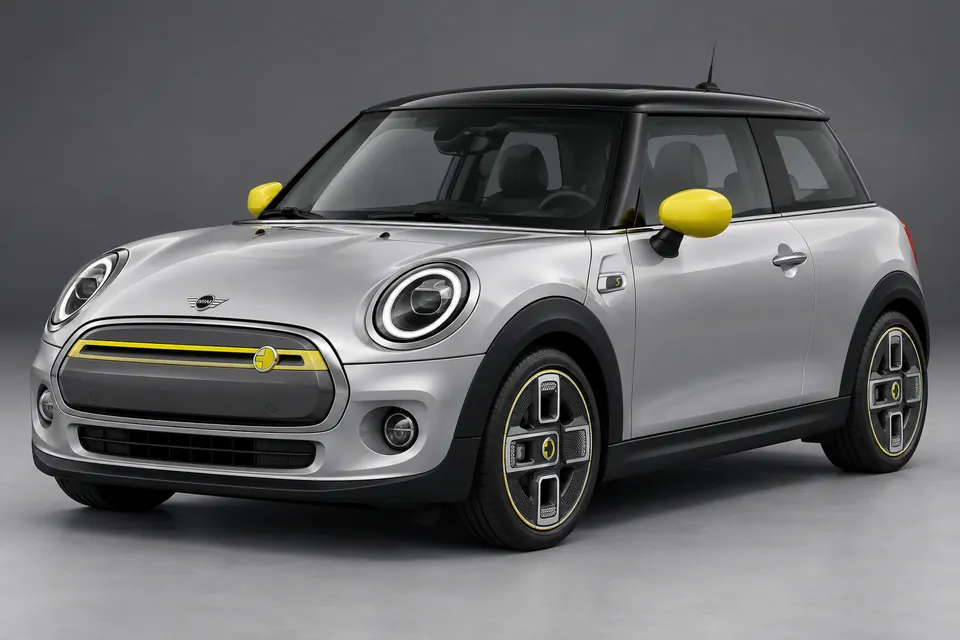
Confirm the earlier F56 Cooper SE
The F56-based Cooper SE is a three-door, four-seat electric hatchback, officially launched in India in February 2022. It has front-wheel drive and single-speed electric reduction, not a petrol-engine gearbox or an ALL4 rear motor. Later J01 Cooper electric cars and Countryman SE vehicles require different body and powertrain information.
Record the VIN, year, actual variant, warning messages and incident details. Photographs should show the full car and impact location as well as close-up damage. This is older-owner coverage; an article or generated model illustration does not establish current new-car stock or actual repair work completed at the workshop.
Address underbody and charging-area safety first
Report an underbody strike, damaged charging area, water exposure, unusual heat, leakage or electrical warnings. Suitable recovery and access may be required under the relevant vehicle instructions and qualified advice. Driving or powering the car repeatedly is not a substitute for collision-safety assessment.
A damaged cover or sill can warrant investigation of the nearby battery-enclosure or protected electrical area. An intact exterior panel does not prove that all connected equipment is unaffected. Battery, cable, inverter, electric-drive and thermal-system concerns require appropriate specialist assessment before affected lifting, dismantling, body or paint operations.
Do not treat charging-inlet damage as ordinary fuel-flap work or handle damaged protected connections as trim. Battery opening, cell-level repair, motor or charging-system rebuilding is not advertised without established training, tools, diagnostic access and procedures. Agree the safe scope and any specialist stage before repairs are authorised.
Front-end and wheel-impact checks
Inspect the bumper cover, grille or front trim, bonnet, fenders, lamp mounts, brackets and supporting structure along the damage path. Relevant cooling, AC, wiring and mounting areas need the electric model's layout, not an engine-bay parts list copied from a petrol MINI. Trace leaks or damaged supports rather than hiding them behind a repaired exterior.
At an impacted front wheel, assess tyres, rims, hubs, bearings, arms, steering, relevant drive joints and surrounding protection. Front-wheel drive does not make every vibration a motor or gearbox fault. Determine the cause, then agree advanced electric-drive work only within qualified capability. Alignment cannot straighten a damaged arm or establish battery safety.
Identify actual cameras, parking sensors and safety equipment where fitted. Their covers, mounts and connections can affect the required repair. Include specialist inspection or calibration if the manufacturer procedure calls for it, rather than treating warning-light clearance as proof of restored operation.
Doors, rear hatch and glazing
The long side doors and rear hatch need the correct F56 electric body information. Inspect hinges, latches, intrusion-related areas, glass movement, weather seals, mirrors and affected restraints after side damage. Check neighbouring sill, pillar or floor areas where warranted. Material-specific measurement, joining and corrosion protection require the permitted method and confirmed expertise.
Rear damage can reach hatch alignment, latch, hinges, lamps, glass, wiring and the surrounding opening. Establish mounting integrity before judging closure or sealing. A later J01 assembly should not be sourced merely because the vehicle is also called Cooper SE. Glass and mirror replacement must preserve the actual heating, electrical and sensor functions and required setup.
MINI Cooper SE Accident Repair and Insurance Claim Assistance
A useful estimate explains each component's damage and proposed remedy. Bumper skins, supports, energy-management components and brackets have different functions. A lamp can have a sound lens but damaged mounts. Repairability depends on material, location, safety function and manufacturer limits, not only on whether the surface can be repainted.
Show compatible replacements, panel repairs, preparation, paint, blending, seals and required setup as appropriate. Specialist structural, restraint, electronic and high-voltage stages must be identified rather than assumed in-house. Technical approval for safe handling and insurer approval for a covered cost are separate decisions.
Parts support can include F56 electric identification, sourcing enquiries and accepted replacement work. Confirm compatibility, price, availability and delivery from the actual vehicle and component. No blanket stock, battery-replacement or interchangeability promise with a petrol hatch or later electric MINI is implied.
Follow official insurer intimation and approval
Use the verified official motor claim-intimation button in the MINI insurance directory and retain the insurer's reference. A CarTech Hub enquiry helps organise workshop assistance but is not insurer registration. Supply the policy, registration information, incident photographs and further documents requested; coordinate survey access and estimate review before work needing approval starts.
If authorised inspection or dismantling reveals further accident damage, document it for supplementary decisions. Cashless eligibility depends on policy coverage, vehicle assessment, insurer approval and confirmed workshop or network arrangements. It does not guarantee approval of every battery or body component. Maintenance, wear, prior damage and unrelated failures remain separate, and deductibles, depreciation or non-covered charges can remain customer-payable.
Complete safety and delivery checks
Final inspection should cover agreed fit, closures, glass, lighting, relevant leaks and warnings. Required EV safety, restraint, chassis or calibration stages must be completed through the accepted arrangement before assessing roadworthiness and any controlled test drive. Ask for approved items, customer contributions, sourcing timing and outstanding decisions to be explained when planning collection.
MINI accident repair, claim assistance and cashless eligibility
CarTech Hub – Multi-Brand Car Workshop, Guwahati provides accident-repair services for supported MINI models and motor insurance claim assistance. Cashless repair availability is subject to insurer approval, policy terms, vehicle survey and confirmed workshop or network eligibility.
The issued policy and insurer-approved estimate determine the covered accident repairs. Applicable deductibles, depreciation, exclusions and other non-covered charges may remain payable by the customer. A cashless arrangement does not make routine maintenance, normal wear or every mechanical failure an insured accident claim.
CarTech Hub is a multi-brand car workshop in Guwahati providing applicable servicing and repairs for supported MINI vehicles. Work can include periodic maintenance, diagnostics, brake and suspension service, compatible parts replacement, denting and painting, accident assessment and motor insurance claim assistance, after the vehicle and accepted scope are checked.
CarTech Hub – Multi-Brand Car Workshop, Guwahati operates independently; manufacturer authorisation is not claimed.
Official insurer claim channels
Register a motor claim through the official insurer directory. CarTech Hub’s insurer tie-ups are confirmed; the issued policy, assessed accident and insurer approval determine this customer’s covered repair.
Choose your insurer’s official claim-intimation link. Submit policy and identity information directly through the insurer’s approved channel. Its process and cashless authorization remain subject to your policy and the assessed claim.
Quick answers
Does the familiar F56 body shape mean an electric car can be repaired like a petrol hatch?
No. Identify electric-specific protection, charging and thermal equipment and establish safe access before affected work.
Can later J01 rear-body parts be assumed to fit an F56 Cooper SE?
No. Check the generation, body function, mounting and equipment before sourcing any replacement.
Does a body-repair estimate automatically establish traction-battery safety?
No. Damage near protected equipment can require a separate qualified safety assessment before the relevant repairs or delivery.
Vehicle and claim reference information
Use the manual for your exact vehicle and the issued insurance policy. Manufacturer references explain vehicle information; CarTech Hub’s cashless arrangements are confirmed separately. They do not establish manufacturer authorization or specialist technical capability.