In this guide
Brake feel, steering changes and a new wheel noise deserve a clear description before parts are chosen. A MINI used on Guwahati roads may need a routine wear inspection, a post-impact assessment or a more specialised diagnosis. CarTech Hub – Multi-Brand Car Workshop, Guwahati distinguishes these enquiries and confirms the work it can accept for the exact vehicle and chassis equipment.
Confirm the chassis rather than read the badge alone
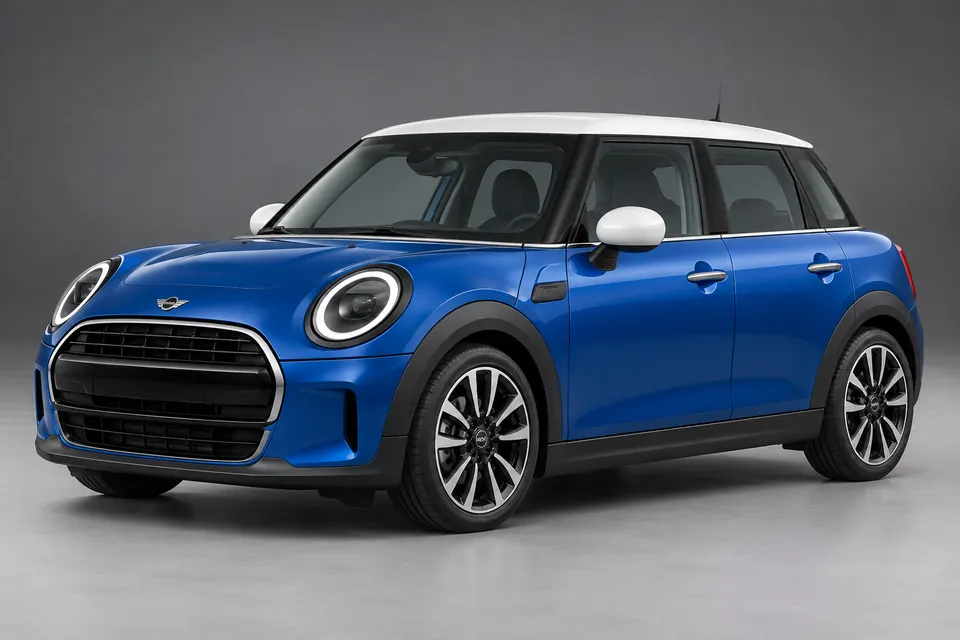
Cooper, Cooper S and genuine John Cooper Works versions can have different brakes, wheels and suspension specifications. JCW Inspired, a JCW Pack, sports seats or a visual trim package does not independently identify a genuine performance model. A previous owner may also have changed components. Vehicle records and fitted parts must be checked together.
This matters when a supplier proposes a pad or disc using only the model name. Confirm the generation, axle, actual brake arrangement and applicable equipment before approving a component. Colour, an aftermarket caliper cover or the wheel design is not a complete identification method. A factory GP derivative likewise needs its genuine specification verified rather than inferred from an Inspired edition name.
Describe what happens and under which conditions
Tell the workshop whether the concern involves vibration, pulling, noise, a changed pedal, a warning or unusual parking-brake operation. Explain whether it began after a pothole, collision, tyre replacement, storage or an earlier repair. The point at which a symptom occurs can help direct a supported assessment without establishing that one expensive part has failed.
A serious brake warning, damaged tyre, displaced wheel or marked steering change may make recovery appropriate. Avoid repeated road tests to reproduce an unsafe symptom. An intermittent warning still needs a record of its circumstances. Clearing messages before their cause is investigated can remove useful evidence and does not establish that the braking or stability system is sound.
Inspect the brake system as connected components
Pads and discs work with calipers, hydraulic components, hoses and related sensors. An inspection should follow the actual condition and permitted procedure. A worn pad, a damaged disc surface and a caliper concern are distinct findings. Replacing one item solely because it is the most visible component may leave another relevant cause unresolved.
Where fitted, electronic parking-brake work and diagnostic service functions need suitable access and accepted expertise. Brake-fluid requirements must follow the vehicle's manufacturer information. This guide gives no universal fluid interval, disc machining rule or cross-model thickness limit. The estimate should explain the evidence for replacement and identify which component and axle are covered by the proposed work.
Do not treat every adaptive damper as one technology
MINI generations use different standard, sport and adaptive suspension arrangements. A marketing label does not establish that a damper has the same electrical control, valve design or setup requirement as another vehicle. Verify the fitted part and its adjustment method before calling a concern an electronic damper failure or ordering an actuator that is not present.
Springs, struts, arms, ball joints, bushes, stabiliser links, steering components and wheel bearings have separate functions. Noise location can be misleading without inspection. CarTech Hub confirms supported mechanical work and any specialist stage before committing to active-system repair. Generic coil-spring or steering advice cannot be applied to every build merely because all are described as MINI.
Match tyres and wheels to the vehicle's requirement
Not every MINI uses run-flat tyres. Confirm the installed type, approved sizes, load and speed ratings, condition and relevant manufacturer instructions. Different wheel diameters or tyre constructions can affect the enquiry, particularly after a replacement or impact. Appearance alone cannot confirm that a wheel is suitable for a brake package or vehicle load.
A tyre still holding air does not exclude internal or sidewall damage. Likewise, balancing cannot prove a bent wheel, damaged hub or suspension component is acceptable. After contact with a kerb or pothole, inspect the affected area before alignment is treated as the answer. Alignment and balancing serve particular purposes; neither restores a deformed part or replaces a damage assessment.
Electric and hybrid MINIs retain friction brakes
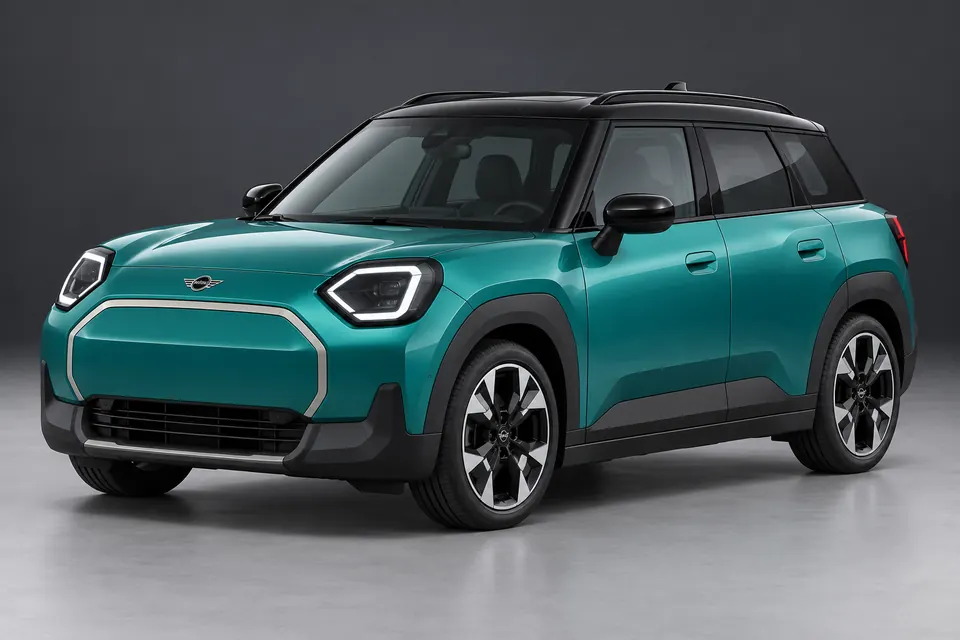
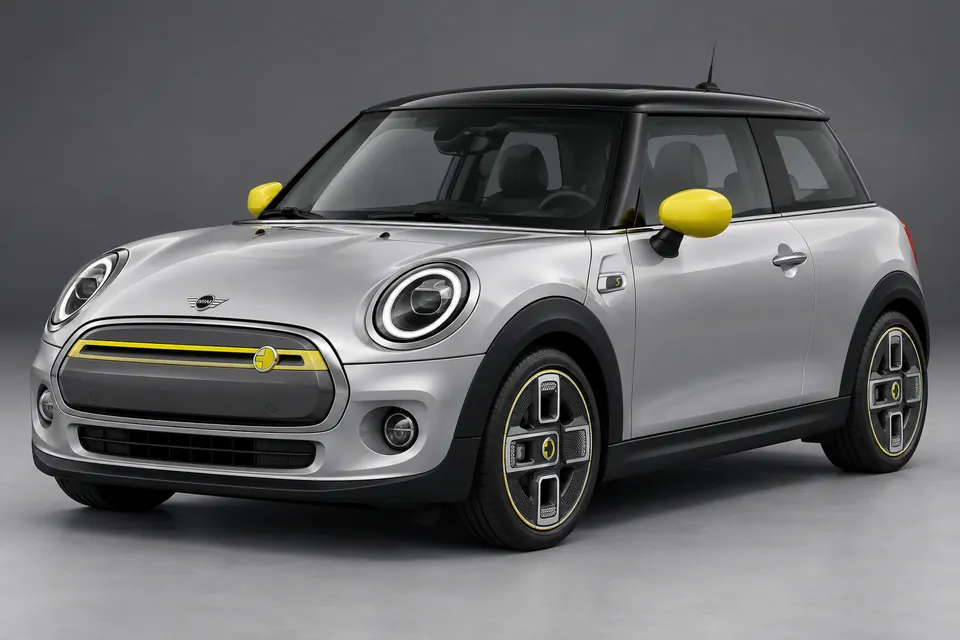
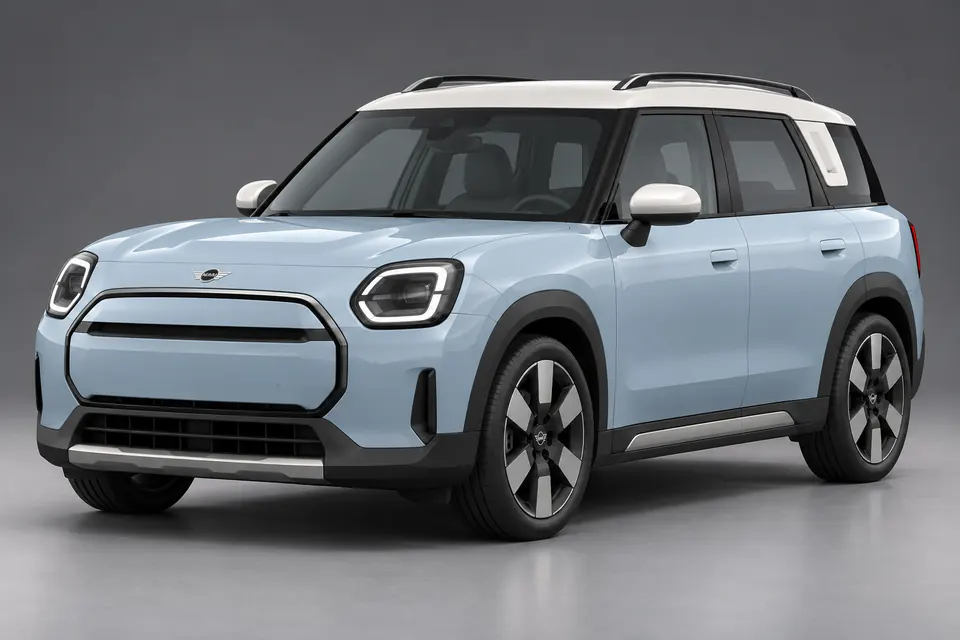
Regeneration recovers energy through an electrified drive system, but it does not remove pads, discs and hydraulic inspection requirements. Earlier Cooper SE, later Cooper Electric, Countryman Electric and Countryman plug-in hybrid must retain their correct identities. A battery-electric car should not receive a combustion-engine maintenance package simply because it shares a body-family name.
A braking or chassis warning on an electrified vehicle can require additional qualified diagnostic and safety work. General physical inspection is not a traction-battery or electric-drive repair offer. Vehicle condition, lifting requirements and manufacturer procedures determine safe handling. Specialist work is accepted only after the necessary personnel, equipment and scope are confirmed.
Separate wear from an insurance-related impact
For an accident enquiry, record the event, damaged wheel or component, warnings and any previous condition. The estimate should distinguish incident damage from existing wear and list the necessary investigation, compatible parts and permitted repair method. A surveyor may need further evidence before suspension, steering, hydraulic or electronic items can be approved.
Cashless support depends on the relevant confirmed insurer arrangement, network eligibility, policy and approved claim. A fresh body-panel approval does not automatically cover a worn brake or an unrelated warning. Deductibles, depreciation and excluded costs can remain payable. Agree what the final mechanical, braking and specialist checks will establish before collecting the repaired vehicle.
MINI accident repair, claim assistance and cashless eligibility
CarTech Hub – Multi-Brand Car Workshop, Guwahati provides accident-repair services for supported MINI models and motor insurance claim assistance. Cashless repair availability is subject to insurer approval, policy terms, vehicle survey and confirmed workshop or network eligibility.
The issued policy and insurer-approved estimate determine the covered accident repairs. Applicable deductibles, depreciation, exclusions and other non-covered charges may remain payable by the customer. A cashless arrangement does not make routine maintenance, normal wear or every mechanical failure an insured accident claim.
CarTech Hub is a multi-brand car workshop in Guwahati providing applicable servicing and repairs for supported MINI vehicles. Work can include periodic maintenance, diagnostics, brake and suspension service, compatible parts replacement, denting and painting, accident assessment and motor insurance claim assistance, after the vehicle and accepted scope are checked.
CarTech Hub – Multi-Brand Car Workshop, Guwahati operates independently; manufacturer authorisation is not claimed.
Official insurer claim channels
Register a motor claim through the official insurer directory. CarTech Hub’s insurer tie-ups are confirmed; the issued policy, assessed accident and insurer approval determine this customer’s covered repair.
Choose your insurer’s official claim-intimation link. Submit policy and identity information directly through the insurer’s approved channel. Its process and cashless authorization remain subject to your policy and the assessed claim.
Quick answers
Does a MINI JCW styling pack prove that JCW brake pads will fit?
No. The genuine model, fitted brake package, axle and any previous modifications must be identified. Styling, seats and badge colour are insufficient compatibility evidence.
Will wheel alignment repair a bent MINI suspension arm?
No. Alignment is an adjustment and measurement task. A deformed or otherwise damaged component needs its own inspection and permitted repair or replacement decision.
Can I assume every MINI has run-flat tyres?
No. Check the actual vehicle specification and installed tyres. Size, construction, load and speed ratings and condition must be suitable for that build.
Vehicle and claim reference information
Use the manual for your exact vehicle and the issued insurance policy. Manufacturer references explain vehicle information; CarTech Hub’s cashless arrangements are confirmed separately. They do not establish manufacturer authorization or specialist technical capability.