In this guide
Prepare for a plug-in hybrid, not a familiar Hector routine
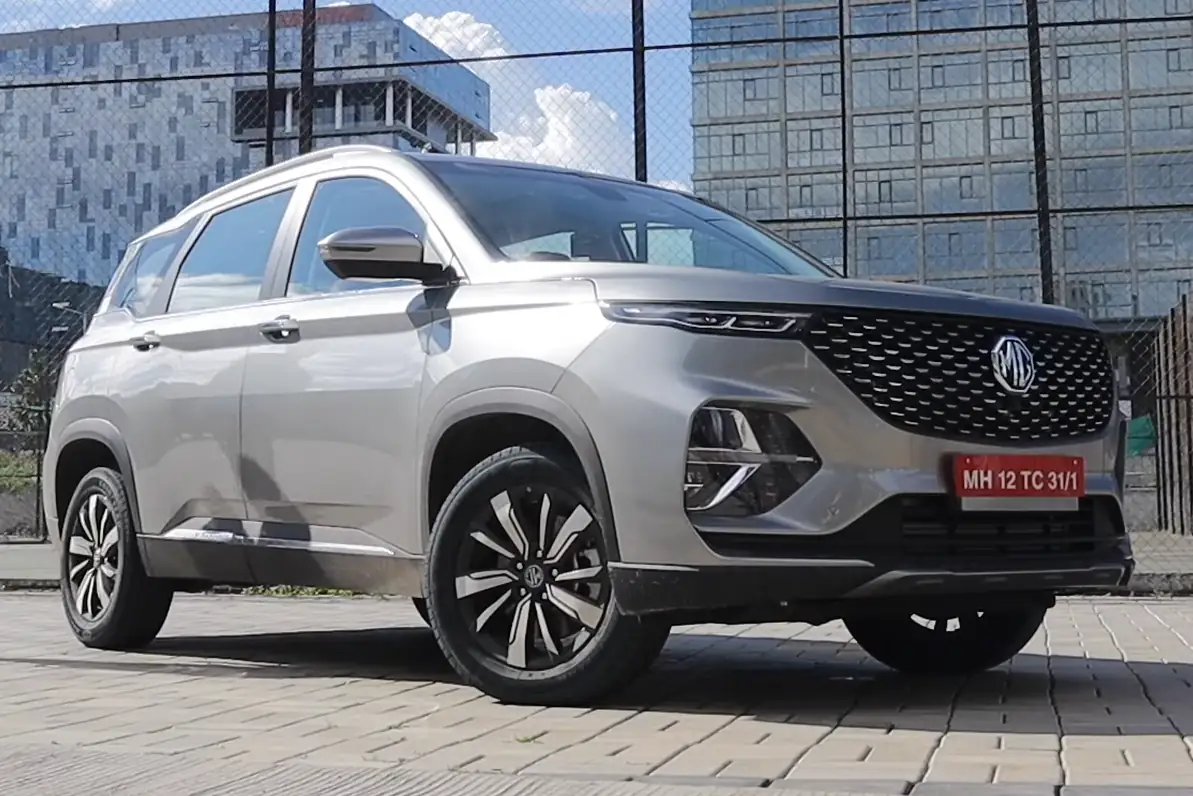
MG identifies the Hector Tomahawk PHEV as a plug-in hybrid with a petrol engine, electric propulsion and an externally rechargeable battery. It belongs in a different service discussion from the Tomahawk EV and the conventional Hector. The official introduction page, checked on 14 October 2026, states that PHEV deliveries are planned from November 2026. This is therefore an owner-preparation guide, not a claim of previous CarTech Hub work on delivered vehicles.
CarTech Hub – Multi-Brand Car Workshop, Guwahati welcomes an enquiry about applicable maintenance and inspection needs. Acceptance of any job depends on the delivered vehicle's documentation, workshop equipment, technician capability and warranty considerations. Obtain the India-specific owner information when the car arrives rather than borrowing a schedule from another MG powertrain.
Vehicle configuration for your enquiry
The plug-in hybrid combines petrol-engine maintenance with electric-drive considerations. Keep the engine-service history, charging observations and hybrid warning messages together rather than treating them as unrelated enquiries. Its Dedicated Hybrid Transmission must be identified from the supplied specification; a conventional Hector clutch or CVT quotation cannot establish what this vehicle needs.
Keep hybrid systems distinct in the service history
A plug-in hybrid has both combustion and electric-drive requirements. The inverter manages power for the electric motor, while battery monitoring has a different role. Report the driving mode and charging circumstances with a warning; the presence of a petrol engine does not make high-voltage work ordinary engine servicing.
Two energy systems change the questions you ask
The presence of electric driving does not remove the petrol engine's maintenance requirements. Engine oil, its filter, ignition components and combustion cooling needs must be identified using the actual manufacturer schedule. At the same time, battery charging, electric propulsion and high-voltage circuits cannot be treated as ordinary petrol-engine electrical work.
Record the engine and electrical concern separately
If a warning appears, note whether the car was charging, using electric drive or running the engine. That description helps a qualified assessor locate the appropriate diagnostic route without assuming the cause. An online enquiry should not request a generic gearbox flush or a manual clutch kit before the transmission arrangement is known. CarTech Hub does not claim high-voltage battery, inverter or hybrid drive repair capability in this article.
Establish a service baseline after delivery
Keep the handover record, supplied manuals, service schedule and warranty documents together. Record the variant, vehicle identification number, engine details and delivery date. A new car's inspection questions differ from an older petrol Hector with years of mixed service history; this distinction prevents unsuitable recommendations from entering the maintenance record.
Plan engine-related work by the prescribed time and mileage requirements for the PHEV, not simply by the number of electric kilometres driven. Short journeys, long periods parked and seasonal travel should be discussed as usage information, rather than used to invent an interval. Filter replacement, coolant checks, brake-fluid requirements and transmission maintenance must follow the correct schedule and specification. Recall, software and warranty enquiries belong with the manufacturer's recognised support channel.
Select ordinary mechanical checks that remain relevant
Tyres, steering, friction brakes, wheel bearings and suspension components remain important even when propulsion is partly electric. A steering vibration should be described by speed, road surface and whether braking changes it. A brake complaint should explain pedal feel, noise and recent impacts. Inspections should produce measurements or an identified condition instead of an automatic list of replacement parts.
For travel across Assam, a pre-trip assessment may cover tyre damage, wipers, lighting and visible leakage. Do not assume a hybrid's regenerative braking makes friction brake attention unnecessary. Any safety warning or loss of dependable braking needs prompt professional advice. Workshop lifting and road-test arrangements must suit the specific car, and the customer should approve the proposed scope before further work.
Clarify AC, battery and diagnostic boundaries
The PHEV may require procedures that differ from an engine-only SUV for AC and electrical diagnosis. Begin with the complaint: weak airflow, cooling delay, an intermittent display problem or a warning after charging. A cabin-filter or blower enquiry is different from opening a refrigerant circuit or investigating the electric compressor. The installed arrangement and safety procedure must be verified first.
A low-voltage battery assessment does not prove the traction battery is healthy, and a scan result alone does not justify replacing a hybrid assembly. Diagnostic access, technical information and any programming requirements should be discussed before accepting the work. The owner should not disconnect high-voltage components, dismantle charging fittings or attempt electrical probing as a troubleshooting exercise.
Request parts with the complete PHEV identity
Service enquiries may concern the correct engine oil specification, oil and air filters, cabin filter, ignition parts, brakes, suspension joints, lamps, wipers or mirrors. Each request should state that the vehicle is the Tomahawk PHEV. The similarly named EV, conventional Hector and older mild-hybrid Hector do not establish compatibility for these components.
Cooling parts deserve an especially clear description because an electrified vehicle can contain distinct cooling circuits. Identify the leaking area through qualified inspection before ordering a radiator, pump, hose or related assembly. Part availability, technical compatibility, price and delivery time will be confirmed after verification of the MG model, variant and required component. Retain written details of the selected parts and the work approved by the owner.
Keep accident repair separate from hybrid-system clearance
A damaged bumper, door or lamp may be repairable, but the first assessment must also consider hidden damage and the vehicle's electrical safety condition. Report underbody contact, charging-port damage, warning messages and water exposure. Body alignment, structural repair, restraint-system assessment and driver-assistance calibration can only be undertaken where the relevant capability has been confirmed.
CarTech Hub Multi-Brand Workshop, Guwahati provides MG vehicle accident repair and motor insurance claim assistance. Cashless repair availability is subject to the insurer, policy conditions, vehicle survey, claim approval and confirmed workshop or network eligibility.
Before dismantling accident-damaged areas, notify the insurer and ask which inspection and repair authorisation are required. Policy information, registration, licence details where requested, photographs and an incident account commonly support the estimate and survey. Approval of bodywork does not automatically cover a separate hybrid fault, old damage or maintenance wear. Deductibles, depreciation and consumables can remain payable according to the policy, including any applicable add-on wording.
Use a clear booking and claim-enquiry route
Book a service enquiry with the delivery status, exact variant and the work being considered. Call Now or WhatsApp CarTech Hub to confirm inspection capability before arranging transport. The PHEV maintenance-safety guide explains how to organise combined petrol and electrical concerns.
For collision questions, use the Tomahawk PHEV accident page and insurance enquiry. Register a claim through the insurer's own button in the insurance directory. See Google reviews and contact or directions before your workshop visit.
Official insurer claim channels
Choose your insurer’s official claim-intimation link. Submit policy and identity information directly through the insurer’s approved channel. Its process and cashless authorization remain subject to your policy and the assessed claim.
Quick answers
Is this guide claiming that CarTech Hub already serviced a Tomahawk PHEV?
No. The official launch information checked on 14 October 2026 gives planned November 2026 deliveries. It is preparation guidance; actual work requires vehicle and capability verification.
Does mostly electric driving cancel the PHEV engine service schedule?
No. The petrol engine remains subject to its own manufacturer maintenance requirements. Confirm the correct time and mileage schedule in the delivered vehicle documents.
Are older Hector mild-hybrid parts automatically suitable for the PHEV?
No. A plug-in hybrid is a different configuration. Identify the VIN, component and relevant technical specification before seeking a replacement.
Can accident approval be used as permission to repair the hybrid battery?
No. Insurer approval applies to its assessed scope, and high-voltage work also needs verified specialist capability. Additional damage or technical work requires separate assessment and authorisation.
Vehicle and claim reference information
Use the manual for your exact vehicle and the issued insurance policy. These sources provide background and do not establish a workshop authorization or insurer tie-up.