In this guide
Identify the family SUV before preparing a quote
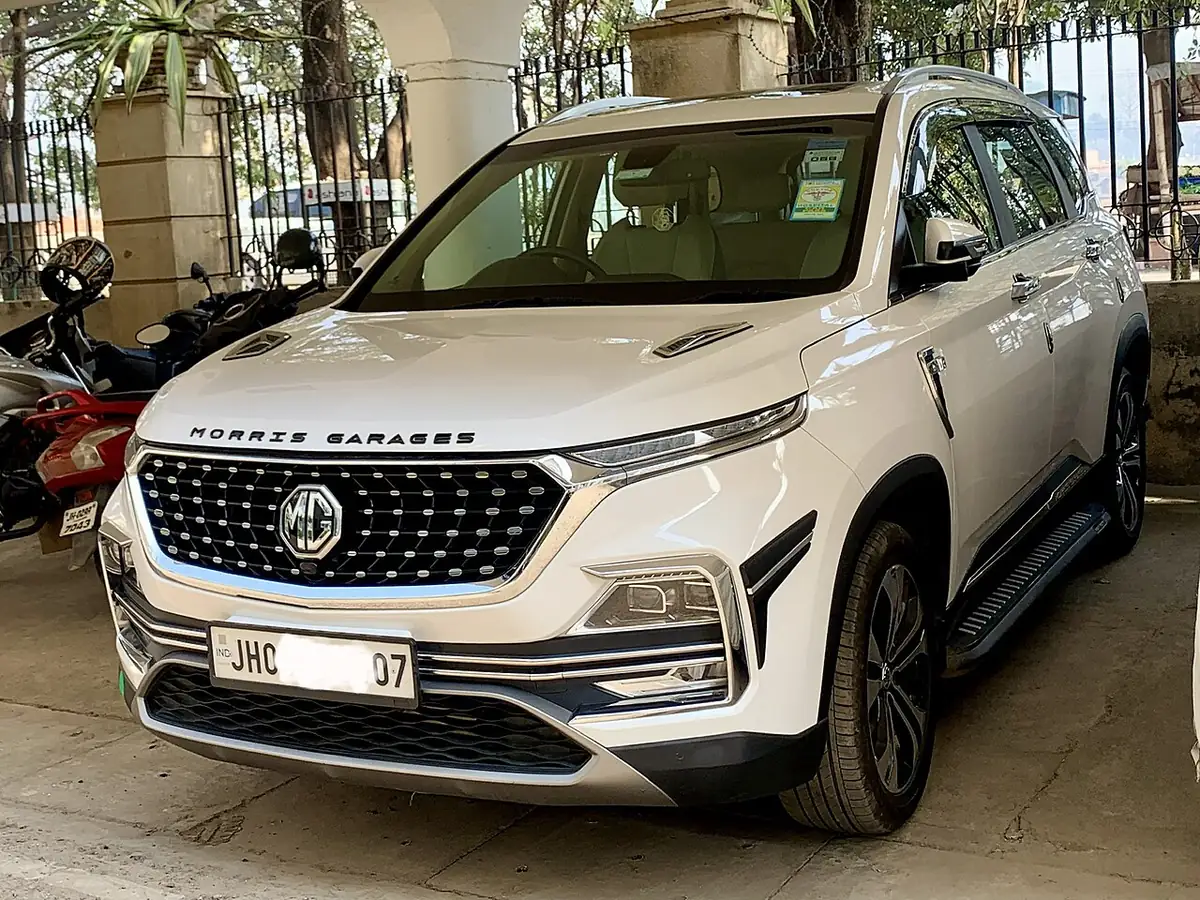
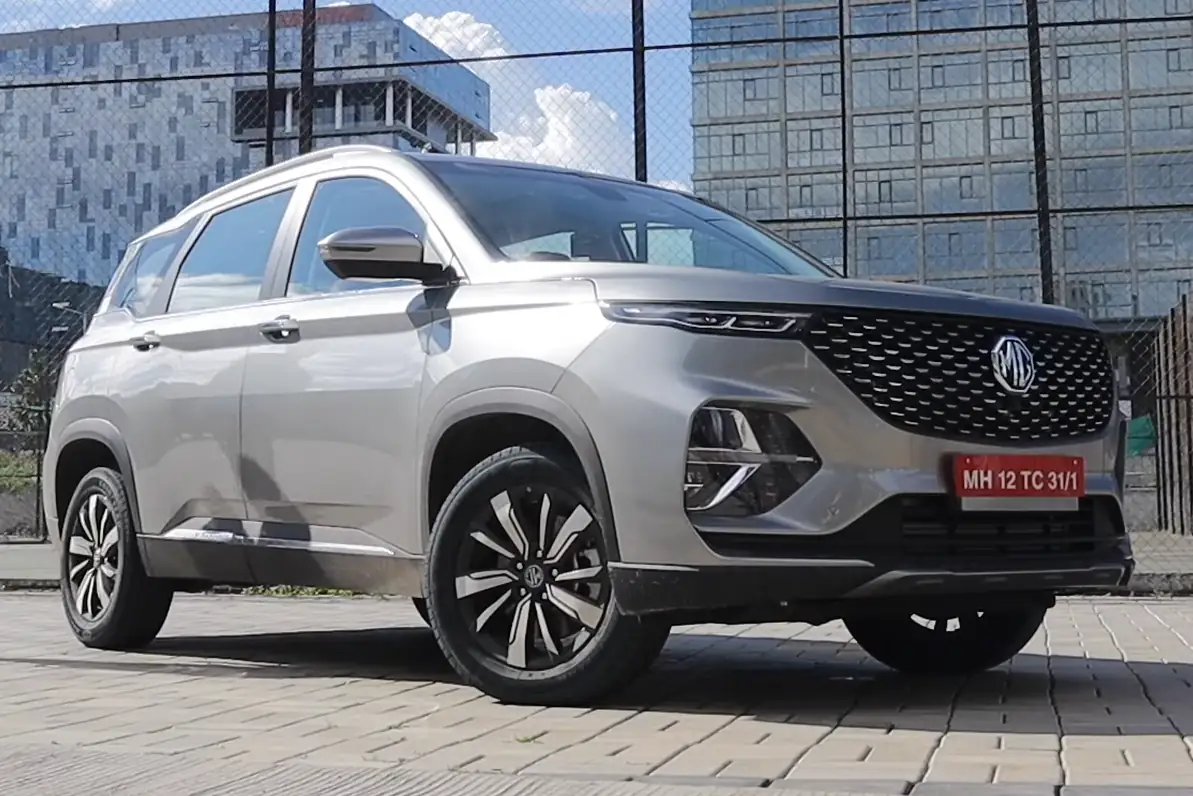
An earlier Hector Plus should be recorded as its own vehicle rather than entered as an ordinary Hector with extra seats. Seating layout, body trim, build year and powertrain influence the repair discussion. MG's historical and owner-information resources should be matched to the actual vehicle, particularly where its service file describes petrol, diesel or mild-hybrid equipment and different gearbox choices.
CarTech Hub – Multi-Brand Car Workshop, Guwahati provides supported maintenance, mechanical, AC, electrical and body assessments for owners seeking an independent workshop. This page covers earlier Hector Plus versions without claiming that all six- and seven-seat examples have identical parts. Share the registration details, seating layout and previous work when arranging the appointment; technical scope is confirmed before a replacement or specialist repair is promised.
Vehicle configuration for your enquiry
Earlier Plus vehicles need the actual six-seat or seven-seat layout recorded alongside their engine and gearbox. Rear passenger trim, seat fittings and accident-damaged cabin pieces should be checked individually. CarTech Hub should work from the installed configuration rather than treating a current seven-seat quotation as a parts catalogue for every earlier Plus.
Service history matters for a passenger-carrying vehicle
A car used for family journeys may carry varying loads and spend long periods in traffic. Include those conditions along with the odometer when planning service. The applicable handbook controls the schedule and approved fluids; the fact that another Hector owner follows a certain interval does not establish that it suits your engine, year or gearbox.
An initial visit can review due filters, oil requirements for the actual combustion engine, accessible leaks, tyres, brakes, suspension, steering and battery condition. Keep a note of repeated fluid top-ups, previous overheating or unresolved noises. The workshop should separate scheduled work from a diagnosis still in progress so the owner understands what a service visit can and cannot resolve.
Petrol, diesel and cooling concerns need distinct evidence
Poor starting after a night parked, hesitation when loaded and overheating in traffic should not be described as one generic engine problem. Available fault information, inspection findings and the recent fuel or repair history help define the supported next step. Petrol ignition parts and diesel fuel-system items are selected for the appropriate engine, not combined into a universal service basket.
Questions before authorising major work
Ask what evidence supports an injector, turbocharger, mount, water-pump or internal-engine recommendation. A warning message or noise alone is insufficient. Advanced engine rebuilding, turbo rebuilding, emissions-system intervention and hybrid electronics are only considered through confirmed capability or referral. An unsafe overheating or severe running concern may require recovery instead of a road journey to the workshop.
Transmission identification and supported clutch diagnosis
Earlier Hector-family automatic choices include configurations that need different parts and procedures. Identify the actual Hector Plus transmission before discussing manual clutch replacement, DCT concerns or CVT service. Previous invoices and vehicle build information can help establish which unit is fitted. The correct fluid is chosen from applicable manufacturer guidance rather than the generic phrase automatic transmission oil.
A manual complaint can involve wear, actuation, mounts or another issue; automatic symptoms require their own assessment. Describe whether a shudder occurs during engagement, while manoeuvring or after prolonged traffic. CarTech Hub confirms its diagnostic limits and any specialist referral, rather than advertising every DCT or CVT rebuild as an available routine service.
Brakes and suspension with changing passenger load
Load-related noises can be useful clues without proving a particular component has failed. Tell the workshop whether a knock or vibration appears with the rear rows occupied, over a broken surface or during braking. Brake wear items, hoses, calipers, wheel bearings, suspension links, bushes and dampers are inspected according to the concern.
Tyre requirements and pressure guidance should correspond to the vehicle and loading instructions. A steering offset after a pothole warrants checking damage before alignment is corrected. Replacement arms, springs or bearings require fitment confirmation; the ordinary Hector and another build of Hector Plus are not automatic donor specifications. Safe braking and steering take priority over cosmetic concerns.
Rear-cabin comfort, doors and electrical equipment
In a multi-row SUV, a complaint from rear passengers deserves a clear description of airflow and cooling, not an assumption that every vent arrangement is identical. Cabin filters, blower behaviour and supported AC checks can establish whether the problem is local airflow or overall cooling. Refrigerant and compressor work require appropriate equipment and confirmed competence.
Door closure, seals, seat access and tailgate operation are also relevant to a family vehicle assessment. Battery, alternator, starter, lighting and accessible electrical concerns should be diagnosed for the installed specification. Safety-system warnings, seatbelt or airbag issues and advanced control-unit work require qualified handling; convenient access or a functioning screen does not prove those systems are safe.
Parts and body fitment for earlier Plus versions
Engine-specific filters, mounts, cooling hoses, relevant ignition or diesel service items, brake components and suspension hardware may feature in a supported quote. Transmission mounts, driveshafts, CV joints or manual-clutch items are included only when applicable. For exterior repairs, verify bumper assemblies, lamps, grille, doors, quarter-panel trim, tailgate, mirrors and glass against the actual build.
Parts availability, compatibility and delivery time will be confirmed after vehicle inspection and model verification. A supplier's description should identify the required component and associated brackets or seals. Seating or trim differences can matter to interior parts even when exterior dimensions seem familiar. The estimate must explain the proposed fitment rather than suggesting every Hector-family component is shared.
Accident estimates, survey and customer-payable items
A rear collision can affect tailgate fit, lighting, mounting supports or the body beyond the visible bumper. Inspect passenger access and closure operation alongside the panel damage. If structural or safety-system damage is suspected, establish a specialist assessment before promising complete restoration. The documented estimate should distinguish accidental damage from pre-existing marks or wear.
CarTech Hub Multi-Brand Workshop, Guwahati provides MG vehicle accident repair and motor insurance claim assistance. Cashless repair availability is subject to the insurer, policy conditions, vehicle survey, claim approval and confirmed workshop or network eligibility.
Policy, registration, driving-licence details, accident photographs and the insurer's acknowledgement support the claim file. Survey inspection and insurer authorisation may be required before repair or additional dismantling. Depreciation, deductibles, consumables, exclusions and maintenance work can remain payable. The customer should receive an explanation of those items before agreeing the approved work, with official claim intimation separate from the workshop enquiry.
Plan the Hector Plus visit with the right links
Book an earlier Hector Plus service, stating its seating layout, powertrain, mileage and concern. Call for coordination or send WhatsApp details. The earlier Plus accident guide and Plus brake/suspension guide provide related inspection information.
For damage, use Insurance Claim Enquiry and official insurer registration links. The MG model hub, Google Reviews page and workshop contact/location section connect the remaining steps. CarTech Hub is an independent multi-brand workshop, with work authorised after the actual vehicle, procedure and capability are checked.
Official insurer claim channels
Choose your insurer’s official claim-intimation link. Submit policy and identity information directly through the insurer’s approved channel. Its process and cashless authorization remain subject to your policy and the assessed claim.
Quick answers
Why should I state whether my earlier Hector Plus has six or seven seats?
The seating layout helps identify interior equipment, access concerns and trim fitment. It does not replace build and powertrain information, but makes a repair enquiry more accurate.
Can a rear-row cooling complaint be solved by refilling refrigerant immediately?
Not without assessment. Airflow, cabin filtration, blower behaviour and overall cooling need distinguishing before any refrigerant or component replacement is proposed.
Are standard Hector rear-body items guaranteed to fit a Hector Plus?
No. The correct body and build specification must be verified. A shared family name does not establish tailgate, bumper, trim or mounting compatibility.
Does a rear impact require inspecting more than the bumper paint?
Yes. Closure fit, mounts, lights, passenger access and possible structural or safety concerns may need assessment before the approved repair scope is agreed.
Vehicle and claim reference information
Use the manual for your exact vehicle and the issued insurance policy. These sources provide background and do not establish a workshop authorization or insurer tie-up.