In this guide
A rear or side accident in an earlier Hector Plus can affect the tailgate, passenger access and areas around the rear seating, not just an exterior bumper. The estimate needs the actual vehicle layout and damage path identified before repair is agreed. CarTech Hub – Multi-Brand Car Workshop, Guwahati helps owners request accident inspection and insurance claim assistance while keeping body work, safety-related findings and ordinary maintenance separately documented.
Establish the earlier Plus layout and powertrain
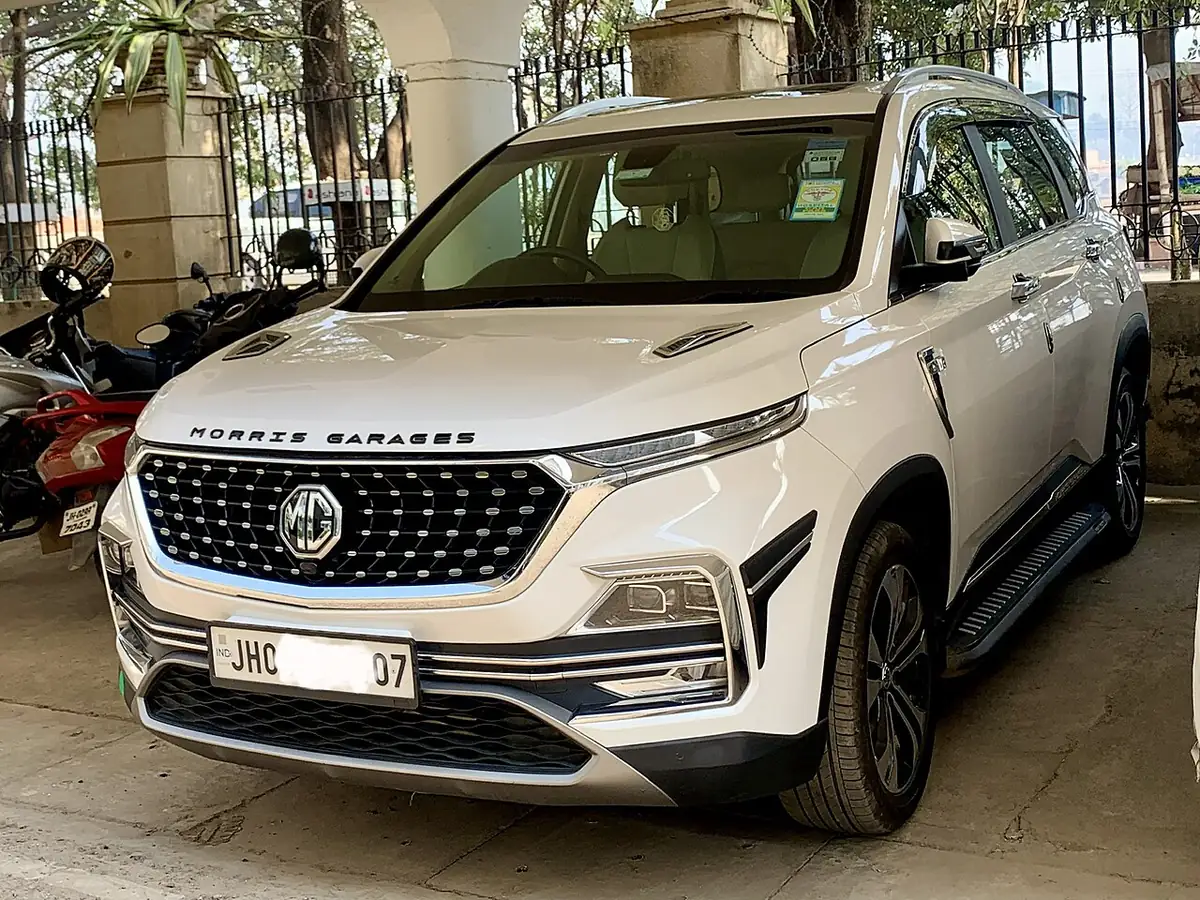
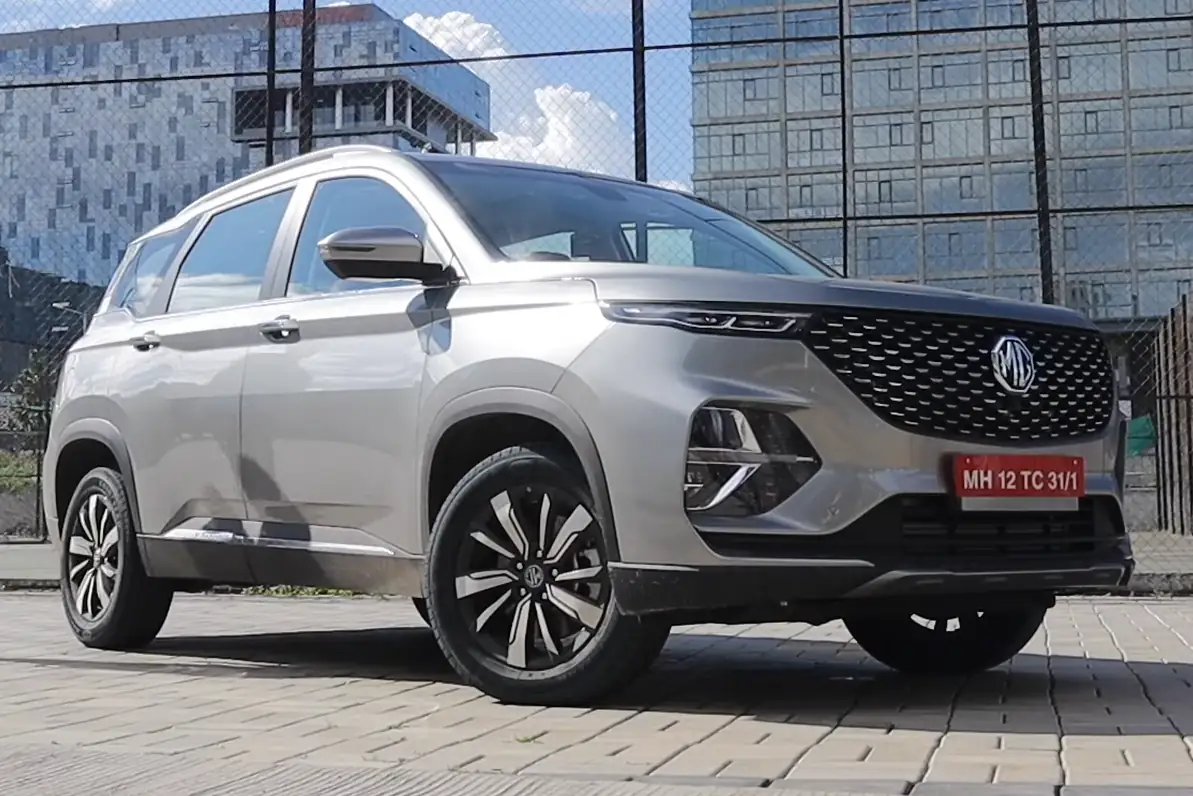
MG introduced the Hector Plus in India with a six-seat layout, and historical range information later included seven-seat versions. Earlier petrol, diesel and transmission choices varied with the offered trim and year. Check the VIN, invoice specification, build date, seating layout and actual engine and gearbox; a generic Hector description does not capture every Plus detail.
The Plus is not merely a booking name for the five-seat Hector. Rear-body, trim and seat-related enquiries need actual component verification. A later brochure also cannot establish that an older car carried identical fittings. Record previous modifications, accessories and repair history at intake so they are not mistaken for damage from the reported accident.
Describe the impact around passengers and luggage areas
Explain whether the collision was rearward, on a rear quarter, at a side door or near a wheel. Note a tailgate that no longer locks, a changed door gap, a damaged lamp, broken glass or a new noise. Do not continue carrying passengers if closures, restraints or wheels appear unsafe. Arrange appropriate recovery instead of judging the car by whether it starts.
A displaced rear panel or damaged load-area trim may lead to further inspection of adjoining supports. Tell the workshop if seats, belt areas or electrical equipment were affected. These observations help define the need for suitably capable safety assessment. They are not a promise that CarTech Hub can carry out every structural or restraint-system repair.
Assess tailgate damage from outside and inside
Latch, seal and mounting questions
Inspection should distinguish a cosmetic dent from damage to hinges, latch, seal, lamp mounts or the surrounding opening. Water entry after impact can indicate a fit or seal issue, but its cause must be assessed rather than assumed. A powered feature, if fitted, needs its own component and functional checks; a basic tailgate quotation may not describe the installed equipment.
Rear bumper covers, brackets, absorbers and adjacent panels should be evaluated according to findings. Where the impact extends into the load floor or safety-related areas, establish the appropriate specialist route and manufacturer requirements. Painting the visible panel does not demonstrate that hidden damage has been corrected or that every closure and safety function has been restored.
Prepare the right Plus parts and paint scope
Verify the lamp, door, tailgate, mirror and panel specification with the model and variant records. Colour matching, panel preparation, repair extent and replacement reasons should appear in the estimate. A correct-looking part from another Hector version is not automatically compatible with the earlier Plus, particularly when mountings, wiring or interior trim differ.
Parts availability, compatibility and delivery time will be confirmed after vehicle inspection and model verification. Separate damage from a single reported event from old parking marks or optional accessory work. For the wider maintenance context, see the earlier Hector Plus service and parts guide rather than copying a current-model service list into the claim.
Report the incident and organise passenger-vehicle documents
Read the issued policy to check the insured vehicle, own-damage cover period and relevant conditions. Use the actual insurer's official motor channel through the insurance directory. ICICI Lombard, Tata AIG and New India Assurance are examples of possible issuers, not statements of workshop affiliation. Retain the insurer's accepted acknowledgement and its instructions about inspection.
Typically useful documents include the registration certificate, policy schedule, relevant driving licence, incident account and photographs of the damaged areas. A claim form and further identity, ownership, bank or police records may be required. Explain any injury or other significant circumstances accurately and follow the insurer's and authorities' requirements; this workshop guide does not replace those procedures.
Survey the hidden area before authorising restoration
CarTech Hub can help set out a repair proposal with images showing the outer damage and accessible surrounding areas. The insurer may arrange survey, approve remote documentation or request specific inspection. Avoid erasing evidence through paint or unnecessary dismantling before that requirement is understood. Keep removed damaged components as instructed.
If an approved repair exposes extra latch, support, wiring or load-area damage, prepare a supplementary estimate and await the decision. The owner should see which tasks are authorised, deferred or separately payable. Approval for a rear bumper should not be expanded into unrestricted replacement of seat, belt or tailgate systems without technical findings and insurer agreement.
Confirm the cashless route and owner contribution
CarTech Hub Multi-Brand Workshop, Guwahati provides MG vehicle accident repair and motor insurance claim assistance. Cashless repair availability is subject to the insurer, policy conditions, vehicle survey, claim approval and confirmed workshop or network eligibility.
For unverified arrangements, the correct public description is Insurance Claim Assistance Available – Cashless Eligibility to Be Confirmed. Ask whether the actual policy and claim can proceed cashlessly at the workshop. If reimbursement applies, understand which documents and payment records are needed. A claim number does not itself confirm network eligibility or approval of the quotation.
Deductibles, depreciation, non-covered consumables, excluded accessories and unrelated previous damage may remain customer-payable. Add-ons should be read against their conditions, especially where parts and paint treatments differ. Before accepting additional restoration, obtain an explanation of the insurer-approved amount and any separate owner responsibility rather than assuming cashless means no payment.
Collect the vehicle with closure and documentation checks
Review tailgate locking, seals, lamp operation, door fit, repaired paint and any disturbed trim. Confirm what safety-related and specialist checks were required and who completed them. An unresolved restraint warning or unsafe closure should not be treated as an ordinary cosmetic issue. Keep the repair record and insurer decision for future servicing.
Routine maintenance after an accident depends on the earlier Plus's engine, gearbox, age and mileage. Oil and filters, brakes, suspension, AC, tyres and battery checks remain separate from the accepted collision repairs. Use the actual MG manual and compare the current Plus accident guide only when identifying a later vehicle configuration.
Book a Plus inspection, request claim assistance, call or WhatsApp CarTech Hub. Reviews and workshop location support a Guwahati visit, with the actual seating layout and recovery needs supplied beforehand.
Official insurer claim channels
Choose your insurer’s official claim-intimation link. Submit policy and identity information directly through the insurer’s approved channel. Its process and cashless authorization remain subject to your policy and the assessed claim.
Quick answers
Can an earlier six-seat Hector Plus be estimated using any seven-seat trim list?
No. Confirm the installed seating, interior and body configuration with the vehicle records. Shared model branding does not establish identical component fitment.
Why inspect the load area after a rear bumper impact?
The force may have affected supports, closure areas or adjoining components. The actual impact findings determine the inspection and repair scope.
Does a tailgate that shuts prove the rear opening is undamaged?
No. Latch operation is only one observation. Fit, hinges, seals, surrounding panels and any related safety or electrical findings still need assessment.
Does rear bumper approval include seat or belt repairs automatically?
No. Those items need their own technical findings, competent safety route and insurer decision when relevant to the accident.
Vehicle and claim reference information
Use the manual for your exact vehicle and the issued insurance policy. These sources provide background and do not establish a workshop authorization or insurer tie-up.