In this guide
An accident claim for an older first-generation Freelander needs a clear account of the damage and the vehicle's condition before the event. Replacement decisions should reflect its actual body, fitted equipment and parts availability, while insurance decisions follow the issued policy. CarTech Hub – Multi-Brand Car Workshop, Guwahati assists with supported assessment, repair estimates, compatible-parts enquiries and motor-insurance documentation after accepting the individual vehicle and proposed scope.
Confirm this is the first Freelander and arrange safe access
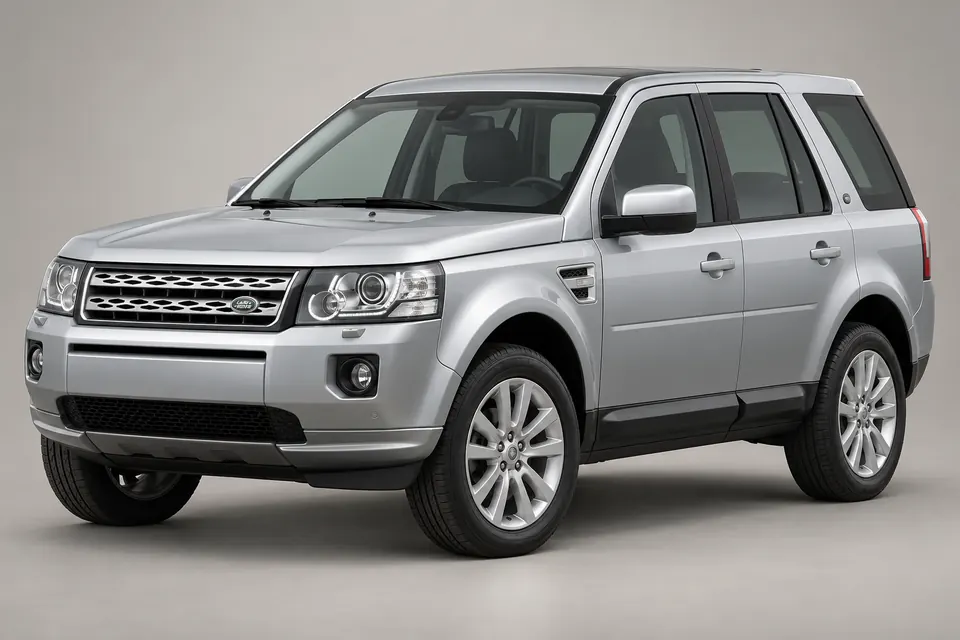
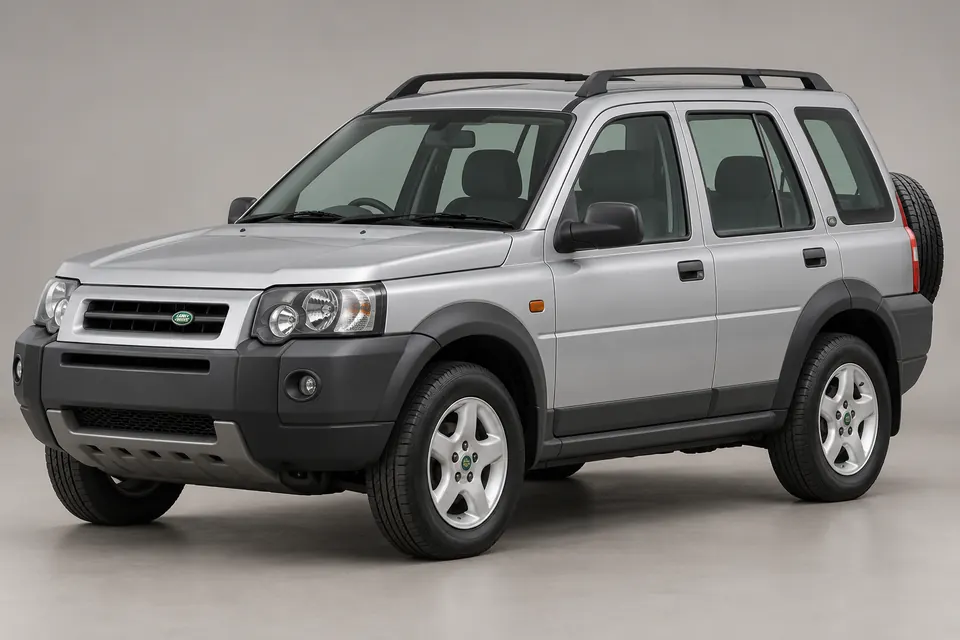
This guide covers the L314 Freelander, not Freelander 2. Three-door and five-door versions have different roof, rear-body and glass arrangements. The monocoque body is different from a Defender ladder-frame layout. Check the VIN, production details, installed engine, transmission and any significant modifications before deciding how to inspect, recover or repair it.
An older or private-import enquiry needs document and capability checks; the model's presence in a guide is not a new-car availability claim. Do not drive with damaged wheels, steering, braking, major leakage or an unsafe body opening. Explain water exposure, unusual noises and warning messages. Suitable recovery can be safer than attempting a road trip simply because the engine still starts.
Assess a front impact beyond the bumper cover
Inspect the bumper, mounting brackets, grille, bonnet, fenders and lamps together with the affected supports and closures. Paint damage, a cracked cover and a displaced support are different repair problems. A repair proposal should explain whether the damaged material and attachment points can be safely restored or need compatible replacement.
Check the radiator, fan, hoses and AC condenser when the impact reaches the cooling area or causes leakage, poor cooling or contact between components. The radiator serves engine cooling, while the condenser serves the AC circuit; they are not interchangeable descriptions in an estimate. Separate existing corrosion or coolant loss from damage caused by the reported event. Hidden findings discovered during authorised dismantling may require supplementary evidence and insurer approval.
Doors, roof and glass must match the body configuration
A three-door vehicle's roof fittings, quarter glazing and rear-body components cannot be ordered from a five-door parts list. Side impacts may affect a door skin, hinges, latch, seal, sill, quarter panel or surrounding opening. Inspect closure behaviour and mounting condition before selecting denting, panel replacement or painting. Water entry after a collision can also require checking a distorted opening rather than replacing a seal alone.
Glass selection must match the relevant body and installed equipment. Windshield, door glass, rear glazing and their fittings each need an appropriate installation plan. Check wiring, lighting, mirrors and any fitted accessories disturbed by the damage. Later Freelander 2 fittings, electronics or safety features should not be presumed present on this earlier model.
Rear and underbody damage need their own checks
A rear impact can affect the bumper, tailgate, latch system, glass, hinges, seals, lamps and the surrounding body. An apparently repaired outer panel is insufficient if the tailgate cannot close or seal properly. Assess the relevant rear floor or supports when the impact pattern indicates potential hidden distortion. Record existing rust, earlier panel work and modified accessories separately from the current event.
Underbody strikes can affect shafts, mounts, protective components, fluid housings or lines. The original drivetrain includes an intermediate reduction drive, propeller shaft, viscous coupling and rear differential, without selectable low range. Some older cars may have undocumented missing or modified driveline components. Identify the actual arrangement and establish whether a reported fault is related to the accident. An old absent propeller shaft or unrelated coupling concern is not automatically a new claim item.
Wheel impacts, suspension and steering
A kerb strike can damage the tyre, wheel, hub, bearing, suspension arm, joint, steering link or brake assembly. Inspect the affected mounting areas before quoting alignment. Fresh impact marks, measured deformation and relevant diagnostic findings can help explain the repair proposal, but the insurer controls coverage under the policy. Existing uneven tyre wear must not be relabelled as accidental damage without evidence.
If body geometry or structural mounting integrity is in doubt, the vehicle needs competent measurement and generation-appropriate assessment. Monocoque repair methods differ from work on a separate ladder frame. Structural welding, pulling, specialist drivetrain repair and complete restoration are not blanket workshop services. The accepted CarTech Hub stages and any specialist referral should be clear before cost and timing are agreed.
Compatible legacy parts and denting decisions
Repair or replacement depends on damage, material, mounting condition, previous work and the correct repair procedure. Painting needs suitable preparation, sealing and corrosion protection as well as colour matching. Age does not justify filling over a safety-related distortion or ignoring a damaged attachment. Conversely, a superficial blemish does not prove that an entire panel must be replaced.
Use the VIN, body type, engine and production version for bumpers, lamps, mirrors, cooling components and mechanical parts. First-generation and Freelander 2 parts are not presumed interchangeable. Confirm sourcing, condition, price and delivery before promising completion. If a used or remanufactured item is proposed, describe its provenance, compatibility and applicable warranty accurately, and obtain the relevant customer and insurer agreement.
Insurance registration, assessment and payable amounts
Use the insurer's official motor claim-intimation destination and retain the reference. A workshop insurance enquiry helps arrange assistance but does not register the claim. Provide the policy, vehicle documents and accident information requested. The insurer may require inspection, photographs or a survey before dismantling and approval of the estimate. Extra findings may need further authorisation rather than automatic inclusion.
Cashless repair depends on the insurer, policy, assessment, claim approval and applicable confirmed workshop or network arrangement. It does not remove the policy's limits or guarantee approval for every item on an older vehicle estimate. Deductibles, depreciation, exclusions and other non-payable charges can remain customer-payable. Routine maintenance, ordinary wear, old corrosion, restoration and unrelated breakdowns are not automatically accident coverage.
Before delivery, inspect repaired closures, glass sealing, lights, affected wheels, steering, brakes and the agreed mechanical scope. Complete appropriate specialist checks where required and record any separately authorised customer work. Send the VIN, photographs, body configuration, modification details, insurer and claim reference when booking so that assessment and parts identification begin with the right vehicle.
Land Rover accident repair, claim assistance and cashless eligibility
CarTech Hub – Multi-Brand Car Workshop, Guwahati provides accident-repair services for supported Land Rover models and motor insurance claim assistance. Cashless repair availability is subject to insurer approval, policy terms, vehicle survey and confirmed workshop or network eligibility.
The issued policy and insurer-approved estimate determine the covered accident repairs. Applicable deductibles, depreciation, exclusions and other non-covered charges may remain payable by the customer. A cashless arrangement does not make routine maintenance, normal wear or every mechanical failure an insured accident claim.
CarTech Hub is a multi-brand car workshop in Guwahati providing applicable servicing and repairs for supported Land Rover, Range Rover, Defender and Discovery vehicles. Work can include periodic maintenance, diagnostics, brake and suspension service, compatible parts replacement, denting and painting, accident assessment and motor insurance claim assistance, after the vehicle and accepted scope are checked.
CarTech Hub – Multi-Brand Car Workshop, Guwahati operates independently; manufacturer authorisation is not claimed.
Official insurer claim channels
Register a motor claim through the official insurer directory. CarTech Hub’s insurer tie-ups are confirmed; the issued policy, assessed accident and insurer approval determine this customer’s covered repair.
Choose your insurer’s official claim-intimation link. Submit policy and identity information directly through the insurer’s approved channel. Its process and cashless authorization remain subject to your policy and the assessed claim.
Quick answers
Why does a Freelander accident estimate need the door and roof configuration?
First-generation three-door and five-door vehicles have different rear-body, roof and glass arrangements. Correct identification prevents an incompatible panel or glazing order and helps define the damage assessment.
Can a missing propeller shaft on an old Freelander be added to a new collision claim?
Not automatically. Establish when it was removed, the vehicle’s prior condition and whether the current insured event caused relevant damage. The insurer decides the approved scope under the policy.
Will cashless approval pay for every age-related Freelander repair found during inspection?
No. Coverage follows the policy and assessed event damage. Wear, corrosion, prior faults, deductibles, depreciation and excluded items can remain outside the approved cashless scope.
Vehicle and claim reference information
Use the manual for your exact vehicle and the issued insurance policy. Manufacturer references explain vehicle information; CarTech Hub’s cashless arrangements are confirmed separately. They do not establish manufacturer authorization or specialist technical capability.