In this guide
An I-PACE underbody strike needs an electric-vehicle assessment before ordinary body repairs are planned. CarTech Hub – Multi-Brand Car Workshop, Guwahati coordinates applicable inspection and claim enquiries while identifying the specialist safety stages required.
Understand which system may have been affected
The production Jaguar I-PACE is a battery-electric vehicle with an underfloor traction-battery installation and electric drive at the axles. It is not a petrol SUV with a different badge and does not require a conventional engine-oil, spark-plug or manual-clutch service. Its low-voltage electrical supply also performs a different role from the high-voltage battery used for propulsion.
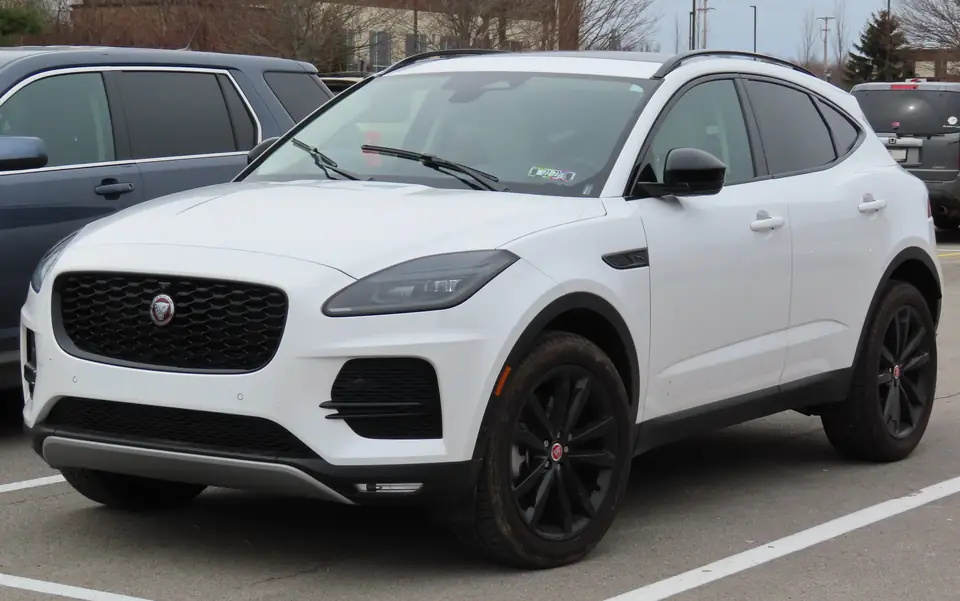
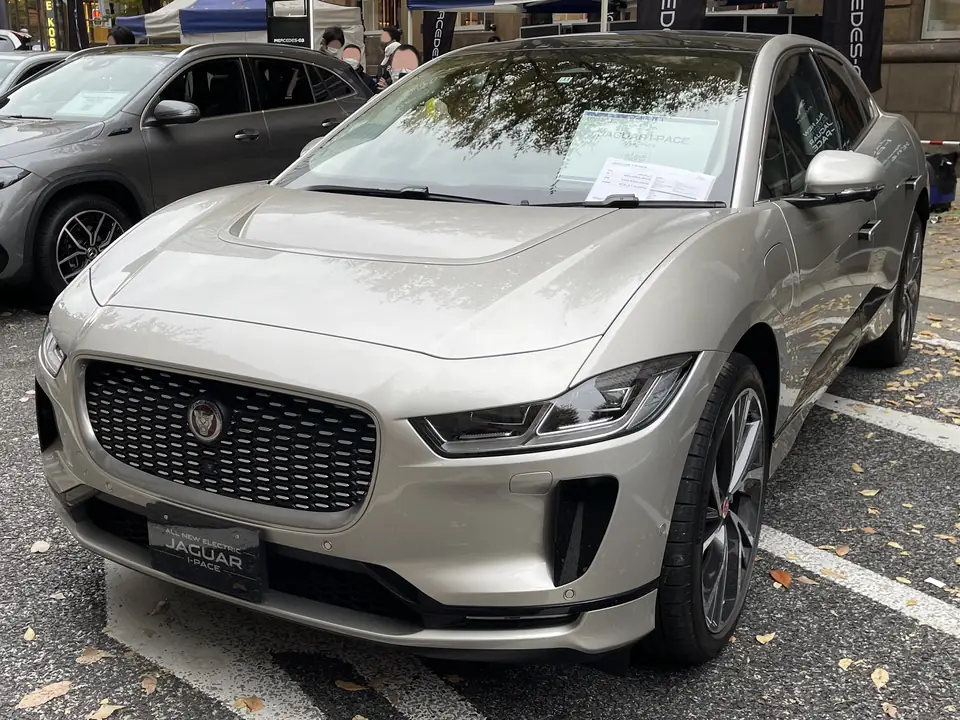
An underbody impact can involve a visible protection panel, a structural area, suspension or a battery-enclosure region. Those are separate assessment questions. A scrape on an external cover does not establish battery damage, but a small-looking mark does not prove that the underlying systems are safe. The vehicle-only photograph illustrates an I-PACE, not a damaged battery or repair performed at CarTech Hub.
Arrange safe recovery before a repair estimate
Describe the incident, location of impact, warning messages, visible leakage and whether the car was driven or charged afterwards. If there are signs of an unsafe electrical or thermal condition, follow emergency and manufacturer guidance and arrange appropriate assistance. Do not touch exposed high-voltage components, open the battery enclosure or attempt an improvised charging test. Orange cables and traction-system equipment require qualified handling.
Recovery, storage and access must follow the relevant manufacturer safety information and qualified assessment. Do not assume a damaged electric vehicle can be towed, lifted or stored like an undamaged combustion car. A preliminary enquiry should establish the supported workshop scope and specialist destination where necessary. The first appointment may be an assessment and coordination job, rather than acceptance of a battery or drive-unit repair.
Inspect underbody, wheels and structure in the right order
Once the vehicle is assessed as suitable for the planned work, inspect the affected protection, mounting areas and adjacent structure according to the appropriate procedure. Record the position and extent of visible damage before removing components where insurer or safety assessment requires that evidence. The repair plan must distinguish an external shield from the battery enclosure and from any structural member.
Check wheels, tyres, suspension arms, bearings and steering if the impact involved a kerb, pothole edge or wheel area. Steering pull, vibration or a displaced wheel may indicate a mechanical concern as well as body damage. Geometry checks follow correction of damaged components; alignment does not straighten a bent arm or establish battery safety. Where fitted adaptive equipment is involved, identify it before selecting replacement parts.
Keep educational EV information separate from offered repairs
The traction battery stores propulsion energy. Inverters and electric drive units manage and deliver that energy, while charging equipment and thermal-management systems support their operation. Describing these components helps the owner understand an estimate, but it does not mean CarTech Hub opens batteries, repairs cells or rebuilds motors, inverters or onboard chargers. Such work requires appropriate training, equipment, procedures and diagnostic access.
Supported non-high-voltage work can include applicable brake, tyre, suspension, steering, low-voltage, lighting, glass and body tasks after the safety prerequisites are satisfied. Electric AC and battery thermal circuits need their own accepted technical scope. Warning-code clearing alone is not a diagnosis, and a vehicle that appears to drive normally has not thereby passed the required collision safety assessment.
Parts compatibility and body or paint operations
An external protective panel, bracket, wheel, control arm, door or bumper must match the model year, equipment and required repair. An apparently similar component from another Jaguar SUV is not automatically compatible. Battery-enclosure or high-voltage cable replacement must not be promised as an ordinary body-parts service. Specialist decisions and insurer authorization may be needed before the component route is known.
Before lifting, dismantling, welding, bonding, refinishing or applying paint heat, establish the manufacturer requirements and any necessary isolation or removal stages. Qualified assessment comes first where electrified equipment or structure is affected. The estimate should identify these stages and the accepted provider, rather than adding a vague assurance that all electric-car accident repairs are handled the same way.
CarTech Hub, Guwahati provides model-specific Jaguar parts identification, sourcing assistance and replacement services. Part compatibility, availability, price and delivery time will be confirmed after checking the vehicle and required component.
Cashless claims require incident evidence and approval
Provide the issued policy, registration details, accident photographs and the relevant claim reference. Explain the underbody strike factually and retain inspection evidence. The insurer may need specialist findings, survey access and a detailed estimate before approving damaged-parts replacement. A diagnostic or safety stage can affect the repair scope even where the visible bumper or undertray damage initially appears modest.
The workshop's confirmed cashless arrangements remain separate from coverage of this I-PACE, its battery or the particular incident. Own-damage terms, relevant add-ons, exclusions, deductibles and depreciation treatment must be checked against the actual policy. Pre-existing deterioration or a charging fault unrelated to the accident is not automatically payable. Agree customer charges and any specialist assessment or recovery costs before the complete job is authorized.
Final checks and a useful insurance enquiry
Delivery should follow the approved work and required safety, mechanical, structural and electronic checks, with appropriate specialist records retained. Do not treat a repaired outer panel or a cleared dashboard as proof that every collision-related system is safe. Share the model year, impact description and warning information when requesting an I-PACE accident assessment in Guwahati so the workshop can plan the right enquiry, recovery and inspection route from the start.
Cashless accident repair through confirmed insurer arrangements in Guwahati
CarTech Hub provides Jaguar accident repair and cashless motor-insurance claim assistance through its confirmed insurer tie-ups. Support includes accident-damage assessment, repair-estimate preparation, documentation assistance, insurer coordination, approved damaged-parts replacement, denting and painting, body repairs and final inspection.
Cashless repairs remain subject to the customer’s policy coverage, vehicle assessment and insurer approval. Applicable deductibles, depreciation and other non-covered charges remain payable by the customer. Cashless availability does not mean that every repair, maintenance item or mechanical failure is covered.
CarTech Hub is a multi-brand car workshop in Guwahati providing applicable Jaguar vehicle servicing, periodic maintenance, engine diagnostics, mechanical repairs, brake and suspension services, AC and electrical repairs, compatible spare-parts replacement, denting and painting, accident repair and cashless motor-insurance claim assistance.
CarTech Hub – Multi-Brand Car Workshop, Guwahati operates independently; manufacturer authorisation is not claimed.
Official insurer claim channels
Register a motor claim through the official insurer directory. CarTech Hub’s insurer tie-ups are confirmed; the issued policy, assessed accident and insurer approval determine this customer’s covered repair.
Choose your insurer’s official claim-intimation link. Submit policy and identity information directly through the insurer’s approved channel. Its process and cashless authorization remain subject to your policy and the assessed claim.
Quick answers
Does an I-PACE undertray scrape always mean traction-battery damage?
Not necessarily. The external protection, enclosure, adjacent structure and systems need appropriate assessment. The visible mark alone cannot establish either battery damage or battery safety.
Can CarTech Hub open my I-PACE battery during a body-repair enquiry?
Battery opening and specialist high-voltage repairs are not advertised by this guide. Any such job requires qualified personnel, suitable equipment, approved safety procedures and separately accepted capability.
Is I-PACE battery damage automatically covered through cashless insurance?
No. The actual policy, insured incident, specialist assessment and insurer approval determine coverage. Deductibles, exclusions and non-covered costs may remain payable.
Vehicle and claim reference information
Use the manual for your exact vehicle and the issued insurance policy. Manufacturer references explain vehicle information; CarTech Hub’s cashless arrangements are confirmed separately. They do not establish manufacturer authorization or specialist technical capability.