In this guide
For an Isuzu S-CAB owner, accident downtime can interrupt a work schedule as well as damage the vehicle. A useful repair plan therefore separates inspection, insurer approval, parts sourcing and actual workshop work. CarTech Hub – Multi-Brand Car Workshop, Guwahati provides an enquiry route for applicable S-CAB accident repairs and motor claim assistance. It does not promise a commercial pickup can enter any bay or return to work on a fixed date before its condition and requirements are assessed.
Know which S-CAB is being repaired
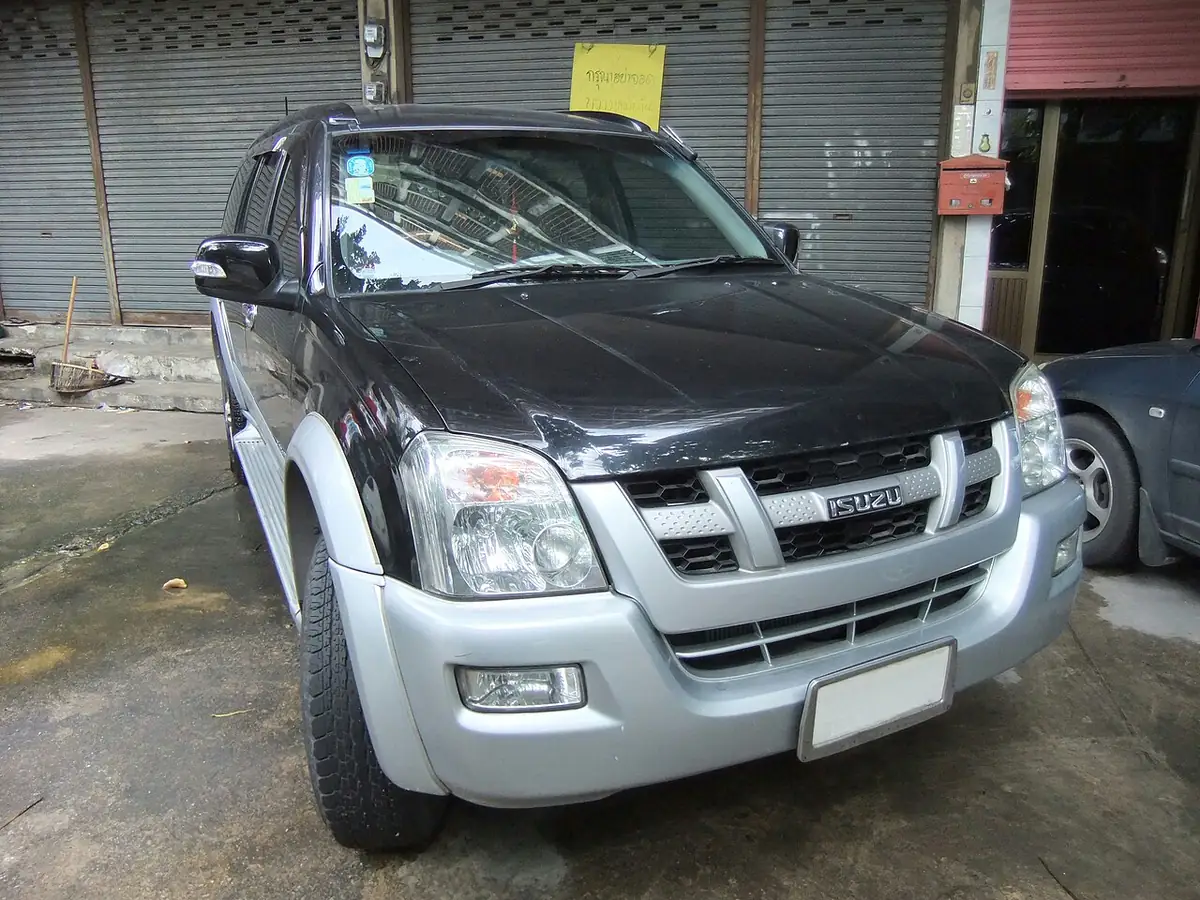
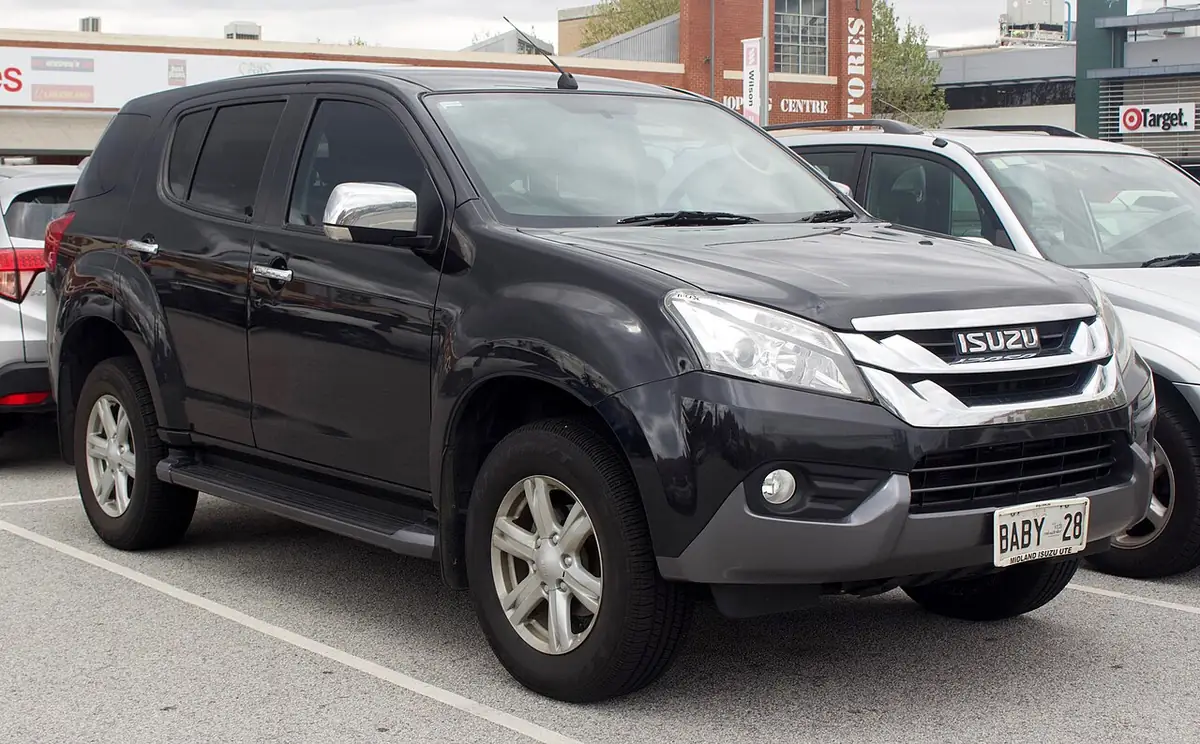
The current Indian D-MAX S-CAB is a diesel manual, 4x2 crew-cab commercial pickup. Record the build year, engine and body details, wheel equipment and installed fittings. Do not substitute the S-CAB Z trim or the V-Cross drivetrain simply because the badge begins with D-MAX. Lamps, mirrors, bumpers, cab trim and mounting details need verification. A previous repair or accessory installation can also change what the estimator finds behind a visible panel.
The policy enquiry should begin with the registered class and declared use. For an S-CAB registered for commercial use, confirm the appropriate motor product rather than relying on a blanket private-car directory assumption. SBI General's official commercial-motor material includes goods-carrying cover, but the existence of that product does not establish cover for a particular S-CAB, journey or claim. The actual policyholder must confirm their contract and insurer instructions. Website insurer names do not represent confirmed CarTech Hub partnerships or a promise of underwriting acceptance.
Prioritize damage that affects safe working use
The crew cab needs secure doors, sound glass fit and working exterior visibility, not just an acceptable paint finish. A side collision may disturb a door opening or mirror mount; a front collision can alter bonnet closure and headlamp attachment. CarTech Hub can discuss supported panel repair, compatible replacement, denting and painting. Airbag, restraint or major structural concerns must be assessed with the necessary capability and may need referral. A diagnostic fault-code check does not independently certify every affected safety system.
At the rear, cargo-bed panels, the floor, tailgate latches and mounting areas require their own inspection. A gate that can be tied shut is not equivalent to a completed repair. Record any rack, enclosure or other body fitting and whether it is part of the insured vehicle description. The policy may treat an accessory or added body differently from the standard bed. Loss of cargo, lost income and vehicle-panel repairs should not be combined into a single assumed payment entitlement.
Inspect the running gear after a wheel or underbody strike
A commercial pickup's load-carrying role makes an accurate suspension and axle account useful. Inspect according to the actual damage: front control-arm or steering concerns, rear leaf-spring attachments, brake-area damage, wheel bearings and tyre condition can require different operations. New axle leakage or propeller-shaft vibration should be reported. The current S-CAB is not a 4WD vehicle, so a quotation should not add a transfer-case repair that is irrelevant to its configuration.
Oil on the ground, a displaced wheel or cooling-system damage can change the recovery decision. Describe these signs before arranging transport. Workshop acceptance depends on dimensions, vehicle weight, loading, available lift capacity and access. CarTech Hub does not advertise heavy-commercial repair, internal differential rebuilding or major chassis correction through this article. If a supported initial assessment identifies work needing a specialist, the owner should receive that information before costs and completion expectations are finalized.
Put evidence and commercial documents in order
Keep the policy schedule, RC, driver's licence, requested claim form and incident photographs together. The insurer can seek further identification, police information or evidence of how the accident occurred. Fitness, permit, consignment, load or use records may be requested when applicable to the vehicle and case. These are conditional document questions, not an instruction to invent a permit requirement or an assertion that a missing item automatically resolves the claim. Obtain the insurer's specific instructions and provide accurate records.
Use the official insurer claim links to notify the right company and keep its reference. The general repair-claim route involves initial contact, inspection, intimation, document submission, survey as required, a repair estimate and approval. The insurer may use a physical or remote assessment and request more evidence. CarTech Hub assists with the supported repair scope; it does not decide admissibility. Do not treat registration of a claim or a visit by a surveyor as authorization for every proposed replacement.
Keep the approved work and customer contribution visible
An S-CAB quotation should distinguish cab and bed panels, lamps, glass, mechanical assessment, paint and labour. Part availability and fitment are checked against the actual vehicle before ordering. Dismantling may uncover damage that needs a supplementary estimate and authorization. Once the agreed approvals are obtained, the supported repair and painting can proceed. Final inspection, documents and settlement of the customer's share lead to delivery. No universal survey, payment or parts-delivery time is stated because the circumstances can differ.
CarTech Hub Multi-Brand Car Workshop, Guwahati provides applicable Isuzu vehicle accident repair and motor insurance claim assistance. Cashless repair availability is subject to insurer approval, policy terms, vehicle survey and confirmed workshop/network eligibility.
Insurance Claim Assistance Available – Cashless Eligibility to Be Confirmed
Applicable deductibles, depreciation, uncovered consumables or fittings, and unrelated maintenance may remain payable. An add-on should be read for its own limits, and third-party-only cover should not be confused with own-vehicle damage cover. Separate old damage and routine wear from the reported incident; neither should be hidden within the estimate. Before approving extra work, ask which amount the insurer has accepted, which amount is provisional and which amount is the owner's responsibility.
Coordinate an S-CAB visit with the work schedule
The S-CAB maintenance article can help identify routine service needs separately. Request a slot through Book Service, or start an Insurance Claim Enquiry with damage images and vehicle details. Call Now or WhatsApp to confirm access and recovery arrangements. Use CarTech Hub contact and directions, the Isuzu hub and Google Reviews when planning the visit. An appointment request remains subject to workshop confirmation.
Official insurer claim channels
Isuzu pickup policy-class and official commercial claim information: the registration, permitted use and issued policy decide whether a private passenger or commercial goods-carrying product applies. A private-car claim link or generic cashless flag does not establish commercial-pickup eligibility.
Choose your insurer’s official claim-intimation link. Submit policy and identity information directly through the insurer’s approved channel. Its process and cashless authorization remain subject to your policy and the assessed claim.
Quick answers
Does S-CAB accident cover include business interruption?
Do not assume it does. Ask the insurer about the actual cover; vehicle repairs, damaged goods and interruption of business can involve separate insurance questions.
Why distinguish old cargo-bed dents from the new accident?
A clear inspection record supports an accurate estimate and insurer review. Existing damage and maintenance should not be described as newly caused by the reported incident.
Can I reserve a collection date before parts are identified?
A provisional plan can be discussed, but availability, inspection findings and approvals affect completion. Confirm the repair programme after the model and scope are verified.
Vehicle and claim reference information
Use the manual for your exact vehicle and the issued insurance policy. These sources provide background and do not establish a workshop authorization or insurer tie-up.