In this guide
Uneven gaps are a finding to investigate
A bonnet that will not sit normally, a door that has begun to bind or a tailgate gap that changed after impact can raise alignment questions. Those symptoms may involve a damaged latch, hinge, bracket or outer panel, or they may point to a wider collision concern. Appearance alone cannot establish the condition of the underlying body structure.
CarTech Hub – Multi-Brand Car Workshop, Guwahati can discuss a collision inspection and the appropriate repair coordination. This guide does not claim that every structural correction can be performed locally. Required measuring equipment, repair information, technician training and the suitability of a repair method must be confirmed before structural work is accepted.
Separate panel fit, wheel alignment and structural assessment
These are different tasks. Adjusting a door hinge is not the same as correcting accident damage to its mounting area. A wheel alignment adjustment cannot establish that the body is within the required dimensions. Similarly, a neat exterior panel gap is not proof that the vehicle's safety systems or structure have been assessed.
Describe which gaps or operating conditions changed and how the collision occurred. Mention any previous accident work or water entry. The inspection should distinguish visible findings, areas that need access and conditions requiring specialist measurement. CarTech Hub should explain that proposed scope instead of giving a fixed restoration promise from a few exterior photographs.
Model and build details remain important
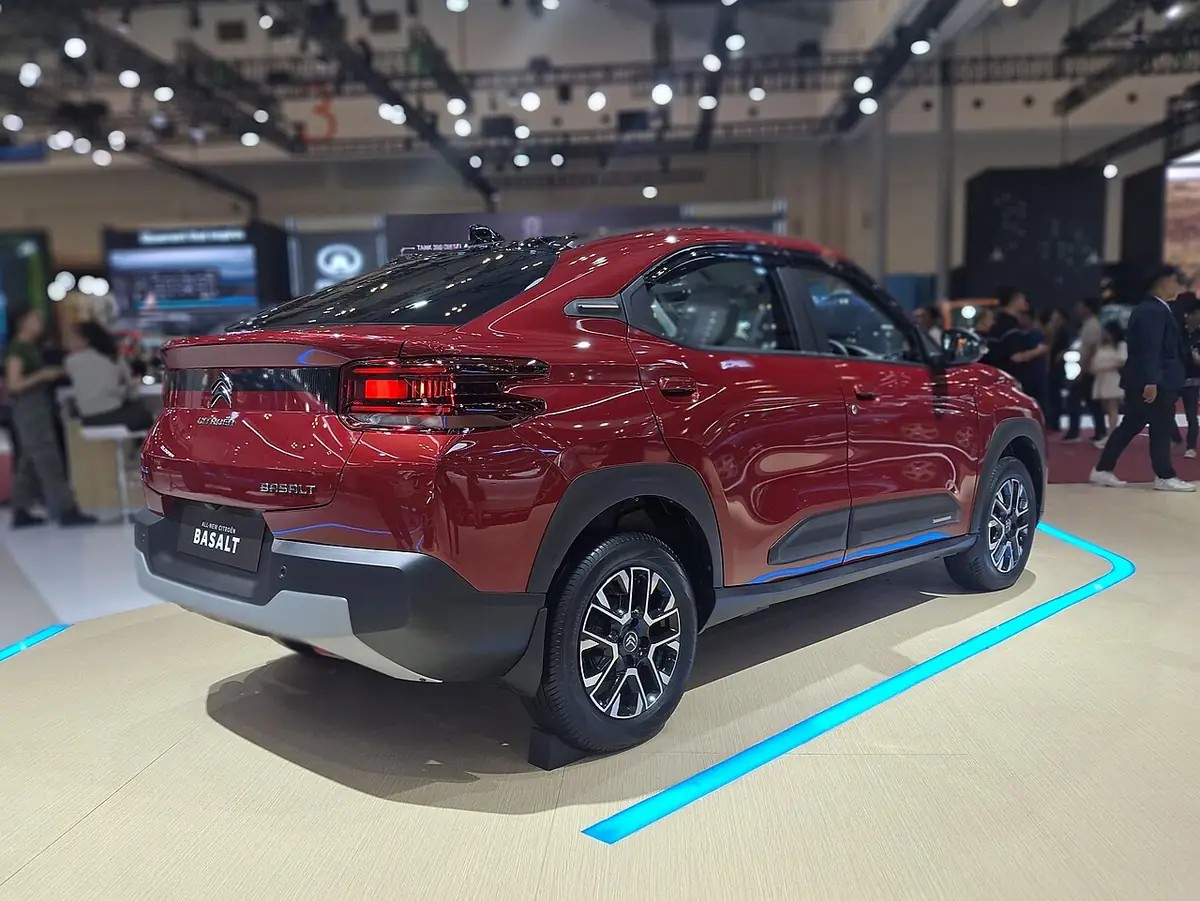
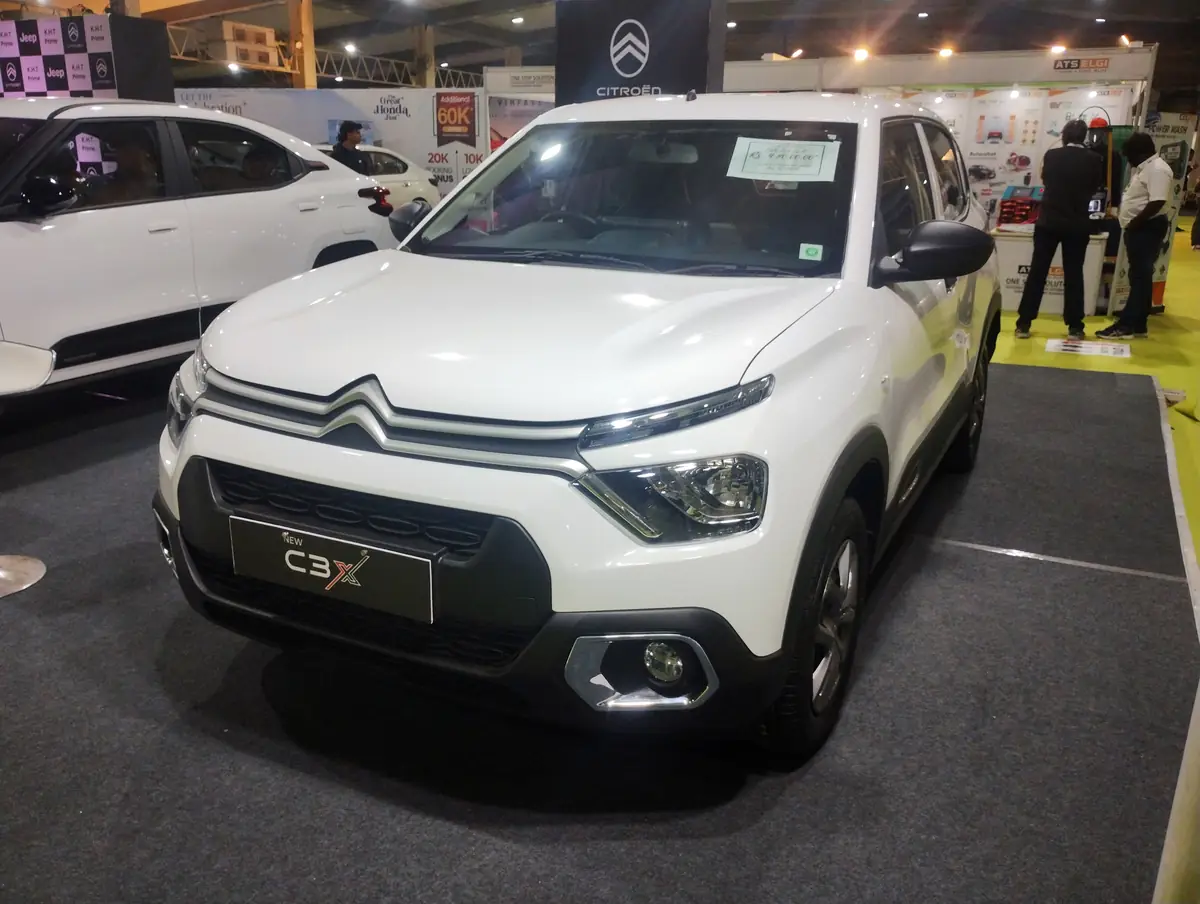
The C3, Aircross, Basalt and C5 Aircross use different body and opening arrangements. A shared badge or related engine does not make their structural or panel components interchangeable. The vehicle identification number, manufacturing details and actual equipment should guide the repair information and parts enquiry.
Repair or replacement needs a supported method
Ask what the repair proposal addresses and how the finished result will be assessed. Mountings, hinges, supports and body panels should be identified separately. Where a method cannot be supported with the necessary capability or information, specialist referral or an alternative approved approach should be discussed before work starts.
Restraint systems, sensors, glass and electrical components can introduce additional operations following collision work. Their inspection, programming or calibration requirements must be identified rather than promised as a universal part of ordinary denting and painting. For an impacted electric ë-C3, affected high-voltage areas require an appropriately qualified route before work proceeds nearby.
Make hidden-damage decisions traceable
An initial estimate may be incomplete until approved access is available. Record that limitation clearly. When further damage is found, document it and obtain the required supplementary customer and insurer authorisation. Do not expand a job silently or assume that approval for an outer panel covers a more extensive structural operation.
Owners should use official claim-intimation facilities and retain the incident reference. The insurer determines the documents and survey requirements; policy and registration information, relevant driving-licence details, accident photographs and an estimate are common starting points. Previous repairs should be disclosed so the new findings are not confused with older damage.
Explain eligibility and costs before authorising work
CarTech Hub provides Citroën accident repair and motor insurance claim assistance in Guwahati. Cashless eligibility remains dependent on the insurer, policy conditions, survey, approval and confirmed workshop or network arrangements. An insurer directory entry is not proof that a cashless facility has been verified for this workshop.
The approved scope and customer contribution need explanation. Deductibles, depreciation and other excluded or unapproved items may remain payable according to the policy. No general guide can guarantee complete restoration, claim admissibility or reimbursement for every proposed component or specialist operation.
Request a clear handover record
The final record should describe the work actually completed, any specialist measurement or follow-up performed and any remaining advisory items. Ask how door, bonnet or tailgate operation, water sealing and other relevant results were checked for the accepted job. A photograph of fresh paint is not the complete handover evidence.
Contact CarTech Hub using the appointment or insurance enquiry links with the actual model, incident details and changed symptoms. The aim is a documented repair decision and an agreed support route for Guwahati owners, rather than a broad structural-repair claim that has not been verified.
Official insurer claim channels
Choose your insurer’s official claim-intimation link. Submit policy and identity information directly through the insurer’s approved channel. Its process and cashless authorization remain subject to your policy and the assessed claim.
Quick answers
Is wheel alignment proof that collision body alignment is correct?
No. Wheel alignment, panel adjustment and structural measurement address different questions. The damage and required repair information determine which checks are needed.
Does CarTech Hub advertise every type of structural correction?
No. Specialist equipment, trained personnel, repair information and suitability must be confirmed before that scope is accepted. Referral may be needed.
What happens if more damage appears after initial approval?
The findings should be documented and the required supplementary estimate and authorisations obtained. The customer should understand the revised scope and possible contribution before additional work proceeds.
Vehicle and claim reference information
Use the manual for your exact vehicle and the issued insurance policy. These sources provide background and do not establish a workshop authorization or insurer tie-up.