In this guide
Begin with the entire rear area
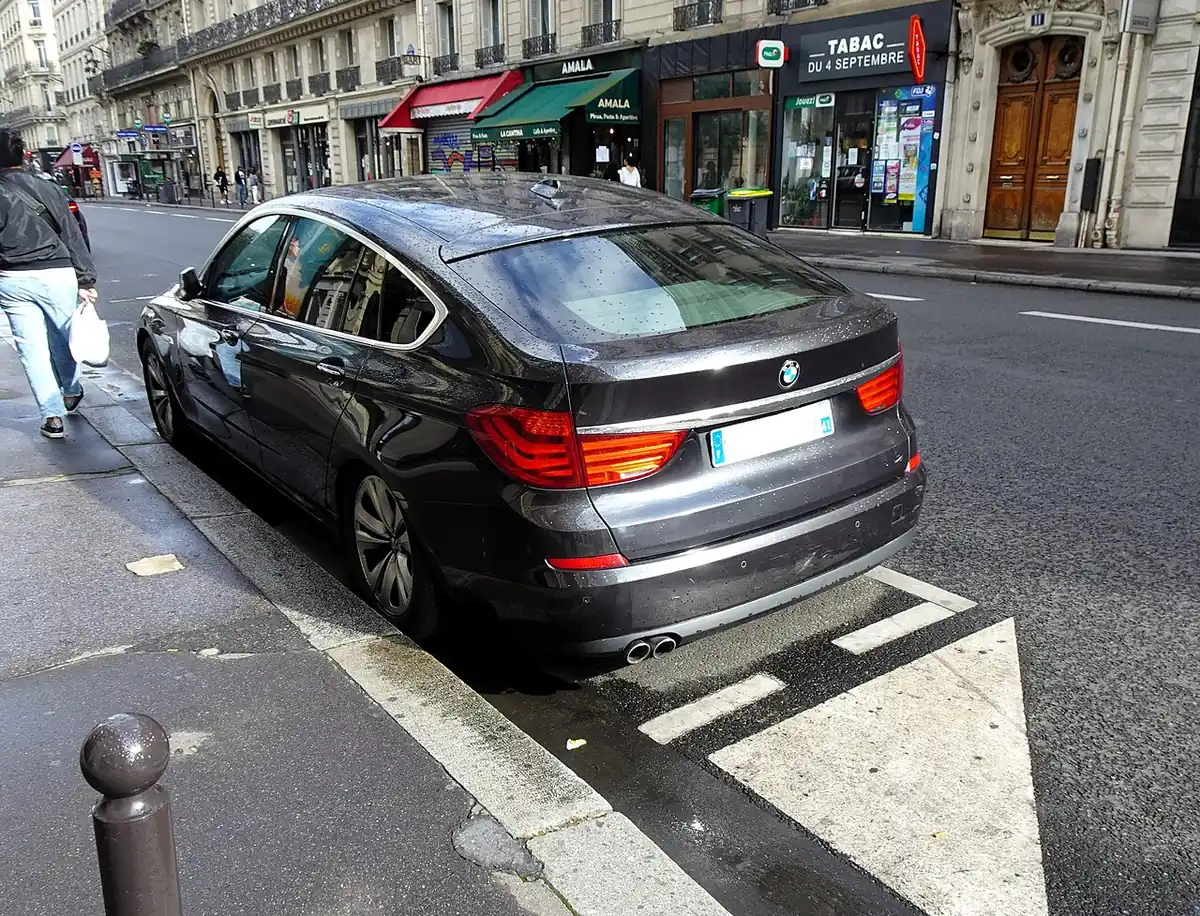
A rear contact on a 5 Series Long Wheelbase can leave a scrape, changed boot-lid fit or an issue with equipment near the bumper. CarTech Hub – Multi-Brand Car Workshop, Guwahati asks for a description of the whole event before discussing repairs. Provide the build details, affected side and photographs from more than one safe angle. New warning messages, loose trim or closure problems belong in the enquiry even when the paint mark appears minor.
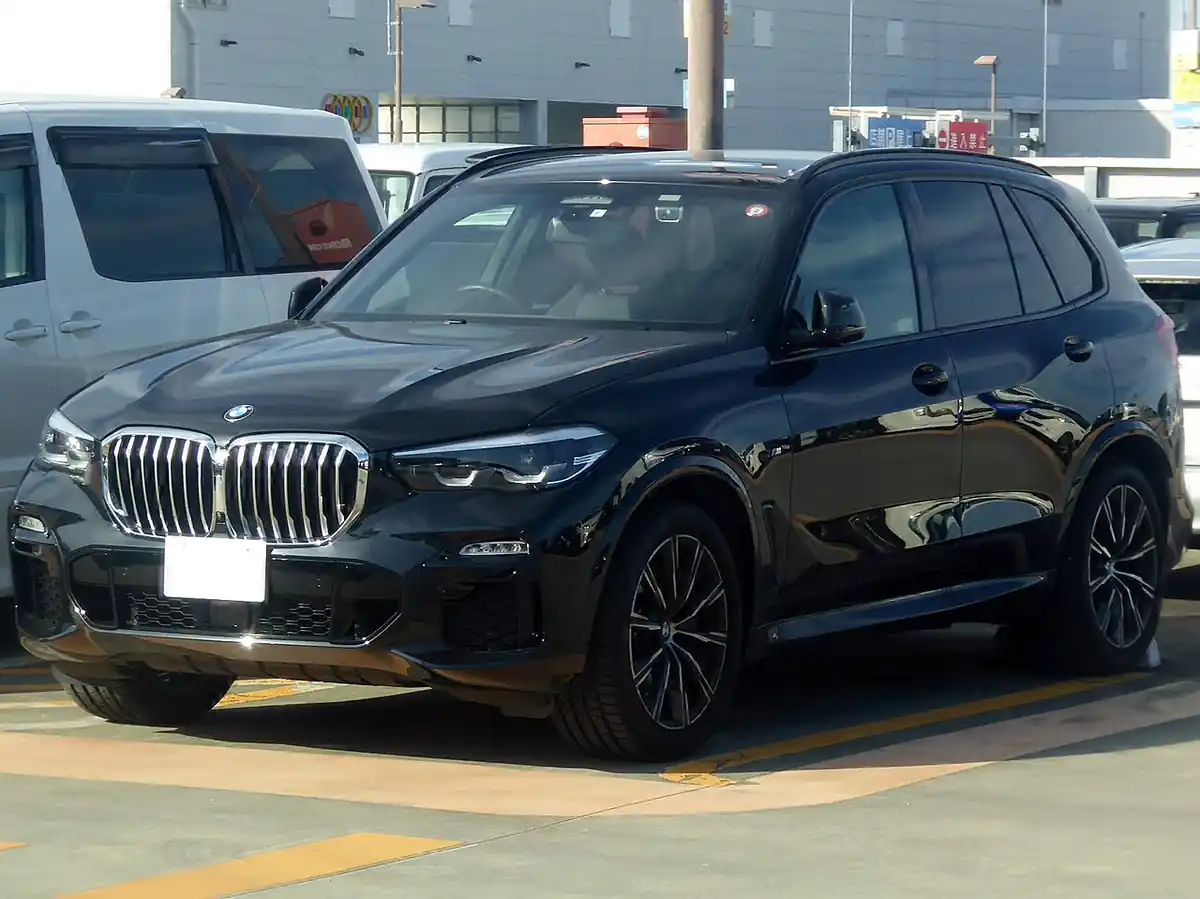
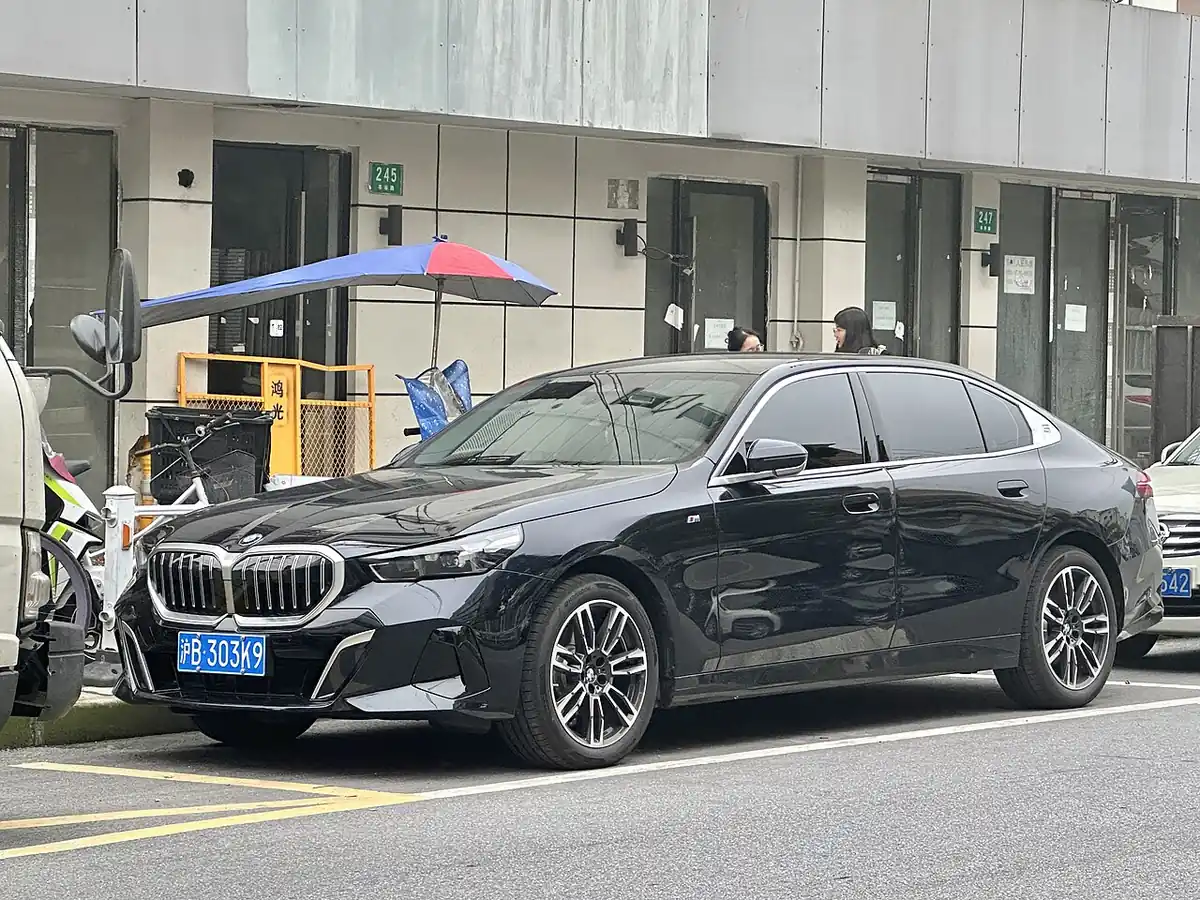
The length of a saloon or an LWB badge does not prove that every related assembly is interchangeable with another 5 Series. Correct body and generation identification comes first. Vehicle acceptance also depends on the actual damage and required specialist work, rather than a general promise to handle every BMW rear-end restoration.
Inspect the cover and its surroundings
Accessible supports, attachment regions, trim and neighbouring body surfaces should be considered along with the outer cover. A mounting that has moved can affect fit without leaving a large tear in the painted skin. Document pre-existing marks and older repairs so the present collision is not confused with a longer-standing cosmetic concern.
Boot openings, rear lamps, wiring and fitted parking equipment may require separate checks where affected. Their condition cannot be inferred solely from the bumper's appearance. CarTech Hub does not advertise universal body-measurement, restraint-system or ADAS capability. Any required qualified assessment must be identified before a repair plan is presented as complete.
Coordinate electrical precautions and repair access
Verify the actual vehicle architecture instead of assuming that a visually similar 5 Series has the same electrical systems. Before affected removal, body work or painting, qualified personnel must establish manufacturer-required safety clearance and carry out isolation where the applicable procedure requires it. This is particularly relevant when the actual build has electrified systems. No do-it-yourself instructions are offered.
The accepted cosmetic scope does not establish capability for 48V, high-voltage, electronic programming or hybrid repairs. Where specialist preparation or system checks are necessary, agree on that provider and sequence first. Paint heat, removed equipment and work close to electrical components require the correct vehicle-specific method, rather than an assumption that ordinary refinishing needs no further consideration.
Choose a suitable repair and exact replacement parts
Some surface damage may allow an appropriate local repair. A torn fixing, compromised attachment or unsuitable old repair can make replacement preferable. Explain the technical recommendation and its limits, including work to supporting components. Repainting a cover should not hide a problem with fit or secure installation.
The parts quote should distinguish the cover, lower sections, brackets, mouldings, reflectors and any equipment-related items actually required. A part supplied without fittings is not the same package as a complete assembly. CarTech Hub confirms application, availability and expected delivery after identification. Customer-requested accessories or appearance changes should be separate from restoring the approved accident damage.
Present the loss to the insurer accurately
Register the incident through the insurer's official motor reporting facility and retain its reference. Supporting information commonly includes the policy, registration certificate, driver details, incident account and photographs. A form, survey and further evidence may be requested. Police documentation depends on the circumstances and insurer instructions rather than being assumed for every parking scratch.
CarTech Hub can help organise an itemised estimate and required inspection. The insurer decides the admissible scope and whether repair or replacement is approved under the policy. Obtain the necessary permission before work begins. Hidden damage found during permitted access should be photographed and submitted for a supplementary decision, with the owner's separate consent for the revised plan.
Understand the payable difference and final checks
Cashless availability is not verified simply because an insurer offers private-car cover. The actual claim, policy conditions, survey and workshop arrangement must all be confirmed. Deductibles, depreciation, consumables, excluded accessories and unrelated old damage may remain customer-payable. Optional covers must be read for their conditions rather than described as unlimited bumper-to-bumper payment.
Delivery should follow the agreed fit, closure, lighting and equipment checks, including any required specialist documentation. Retain the repair description and an honest record of outstanding work. Visit BMW insurance guidance, request claim assistance or book a supported assessment with CarTech Hub in Guwahati.
Official insurer claim channels
BMW policy evidence and official claim channels: a general motor policy or an EV product page does not prove acceptance of this premium vehicle, approved parts, battery cover or CarTech Hub cashless eligibility. Confirm registration, declared use, insured value and repair scope with the insurer.
Choose your insurer’s official claim-intimation link. Submit policy and identity information directly through the insurer’s approved channel. Its process and cashless authorization remain subject to your policy and the assessed claim.
Quick answers
Does the Long Wheelbase name make all 5 Series bumper assemblies identical?
No. Body, generation, equipment and the actual component application must be verified before parts are ordered.
Should a changed boot-lid gap be mentioned with rear bumper damage?
Yes. Surrounding closure and body findings can require an assessment beyond surface refinishing.
Can an unrelated cosmetic upgrade be included automatically in the accident estimate?
No. Keep requested improvements separate from the reported loss and obtain the necessary owner and insurer decisions.
Vehicle and claim reference information
Use the manual for your exact vehicle and the issued insurance policy. These sources provide background and do not establish a workshop authorization or insurer tie-up.