In this guide
A 5 Series Gran Turismo accident can involve an unusual combination of rear-opening mechanisms and chassis equipment, especially when the vehicle already has an extensive ownership history. A new incident must be distinguished from existing ride-height faults, leaks or cosmetic wear without assuming which items the insurer will accept. CarTech Hub – Multi-Brand Car Workshop, Guwahati can help with supported accident enquiries and documentation after verifying the car, workshop suitability and required specialist involvement.
Record actual build and incident circumstances
Supply VIN, registration, model year, petrol or diesel engine, transmission and any import or modification history. This older GT is separate from a conventional 5 Series and a later 6 Series GT. Share overall and close-up photographs, the impact direction and new warnings. Note whether a wheel, underbody or either rear-opening section was affected, while avoiding unsafe access or attempts to force a damaged mechanism.
A vehicle that starts or appears level is not automatically fit for a trip to the workshop. Changed steering, leakage, tyre rubbing, glass damage or suspension concerns call for appropriate recovery advice. Discuss size, weight, access and rated equipment before acceptance. This enquiry does not promise unrestricted air-suspension repair, advanced driveline work or structural restoration; the required qualified provider and supported scope must be agreed.
Inspect both rear-opening modes and adjacent structure
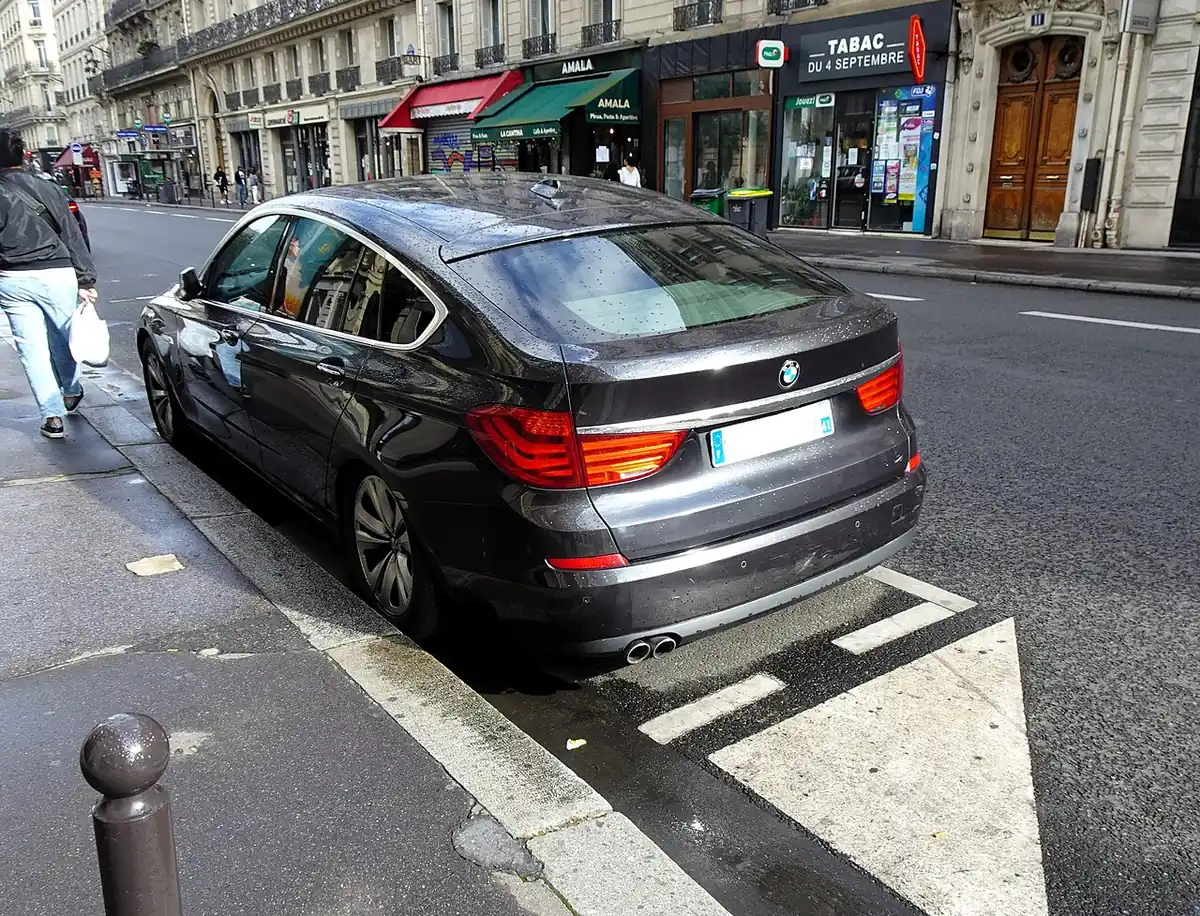
The GT's two-piece rear opening has application-specific glass, latches, seals, hinges and operating parts. Record which function changed after the impact. A moving section can still have damaged attachments, while an older sealing fault should not automatically be attributed to the accident. A compatible replacement requires the actual GT build; a saloon boot lid or another Gran Turismo generation is not a sufficient reference.
Rear bumper marks can hide bracket, lamp, wiring or body-structure damage. Panel repair, replacement, sealing and painting decisions should follow condition and appropriate methods. Significant structural and restraint assessment needs verified capability or specialist referral. The customer should know whether a specialist investigation is included, provisional or outside the workshop's accepted work before authorizing an apparently simple rear-end paint quotation.
Keep chassis consequences distinct from appearance
The historical model's rear air-suspension architecture makes new ride-height changes particularly important to report. Qualified investigation must establish the fitted system and actual cause; a collision account alone cannot prove every pre-existing compressor or height-control concern is new. No owner lifting or suspension procedure is supplied here. A specialist may need to determine safe handling and affected work before the repair plan can be completed.
Wheel, tyre, bearing, steering, arm and brake damage can require separate findings. Alignment cannot restore a bent component or mounting, and cosmetic alloy repair does not certify strength. Front damage may affect cooling supports, radiator or AC condenser, while side contact may involve glass, doors and adjacent structure. An insurer's cost survey is not a substitute for the technical checks or authorizations required for specialized systems.
Register the claim with sufficient supporting evidence
Follow the official insurer claim channel and keep the reference. Policy, RC, driver's licence, incident account, available photographs and requested form usually help establish the file. Provide identity or police information where requested for the circumstances. CarTech Hub's enquiry form does not replace insurer intimation, confirm admissibility or establish network eligibility, and the actual policy controls the insurer's assessment.
Prepare an estimate that separates opening mechanisms, glass, panel work, chassis investigation, paint, labour and specialist tasks. Required survey and insurer approval come before authorized repairs, alongside customer consent. If further damage appears during approved dismantling, record the findings and obtain the necessary supplementary approval. An older premium vehicle may require additional parts checking; a survey does not guarantee immediate supply or a fixed completion date.
Review costs before additional work is accepted
Ask for approved, provisional and owner-funded work to be shown separately. Deductibles, depreciation, policy exclusions, non-covered consumables and unrelated maintenance may remain payable. A wish to improve old seals, trim or suspension is a separate decision unless accepted as part of this claim. Add-ons should be checked for their actual conditions rather than assumed to remove every contribution because the car carries comprehensive insurance.
CarTech Hub Multi-Brand Car Workshop, Guwahati provides applicable BMW vehicle accident repair and motor insurance claim assistance. Cashless repair availability is subject to insurer approval, policy terms, vehicle survey and confirmed workshop/network eligibility.
Insurance Claim Assistance Available – Cashless Eligibility to Be Confirmed
The BMW insurance resource distinguishes general product evidence from policy and workshop acceptance. Before delivery, review opening functions, sealing, affected lights, supported chassis findings and specialist reports against the agreed repair list. Complete final documentation and settle applicable personal amounts. Keep unresolved advisories; the vehicle's appearance and a paid claim cannot independently certify every system or future reliability.
Provide the GT details when requesting help
Insurance Claim Enquiry is the appropriate route for new damage, followed by Call Now or WhatsApp to coordinate the required documents and safe arrival. The GT maintenance guide and Book Service address non-claim care. Find the BMW hub, Google Reviews and workshop directions without substituting an ordinary saloon enquiry for this specific body and chassis assessment.
Official insurer claim channels
BMW policy evidence and official claim channels: a general motor policy or an EV product page does not prove acceptance of this premium vehicle, approved parts, battery cover or CarTech Hub cashless eligibility. Confirm registration, declared use, insured value and repair scope with the insurer.
Choose your insurer’s official claim-intimation link. Submit policy and identity information directly through the insurer’s approved channel. Its process and cashless authorization remain subject to your policy and the assessed claim.
Quick answers
Can an old ride-height fault automatically be claimed after a new impact?
No. Record its history and let qualified findings and the insurer’s policy assessment determine the accepted scope.
Why does the two-piece rear opening need a separate estimate?
Its glazing, latches, seals, hinges and operating parts are specific to the actual GT build and damage.
Does a claim survey establish that specialized suspension work is safe to start?
No. Required technical assessment, suitable procedures and qualified authorization remain separate from the insurer’s cost review.
Vehicle and claim reference information
Use the manual for your exact vehicle and the issued insurance policy. These sources provide background and do not establish a workshop authorization or insurer tie-up.