In this guide
Start with the door's operation and the incident
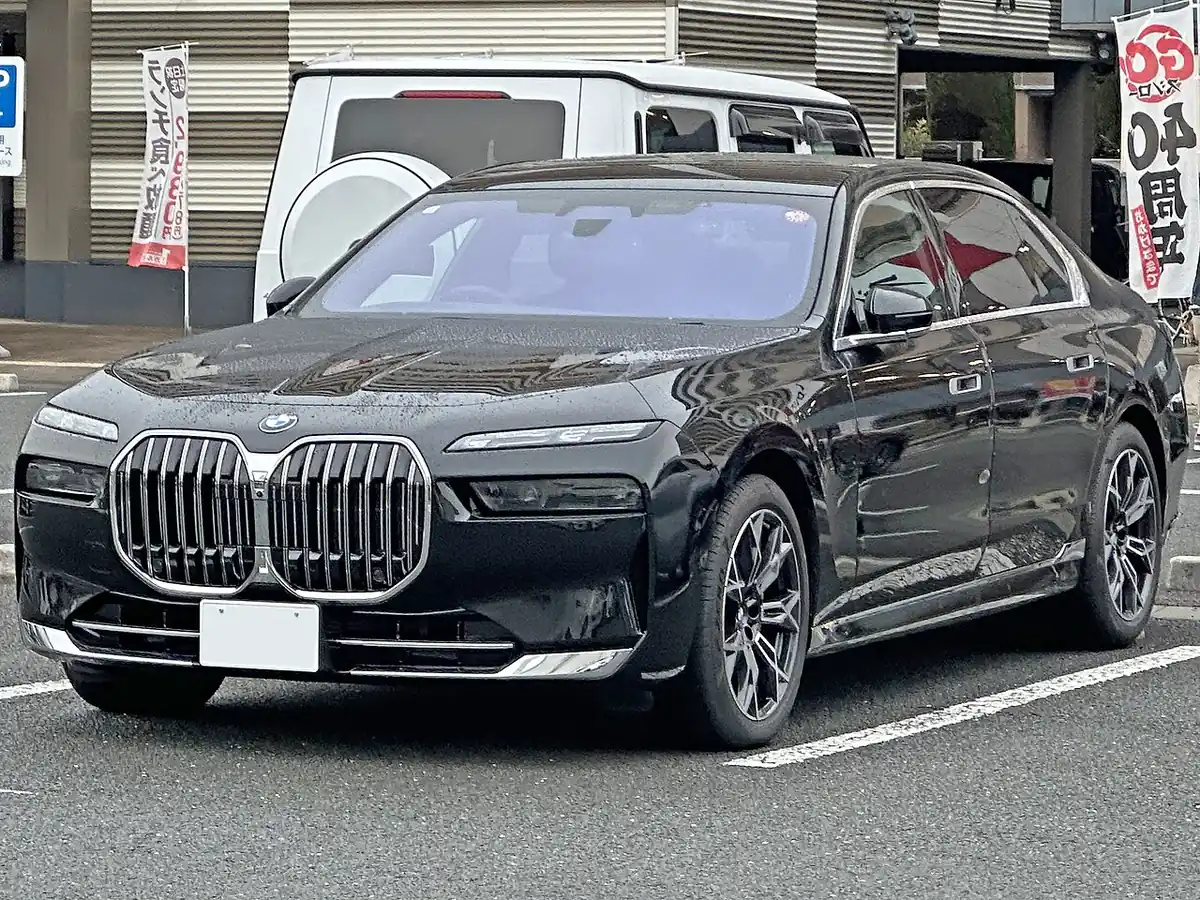
A 7 Series door complaint can combine a dent, damaged glass, a changed latch feel or a fitted function that no longer works. CarTech Hub – Multi-Brand Car Workshop, Guwahati records each symptom before discussing a repair quotation. Provide the VIN, generation, side and accident account, and mention water entry or wind noise that began afterwards. A door enquiry should explain the practical problem as well as its appearance.
Some premium equipment depends on the actual build and must not be assumed on every vehicle. Neither the model badge nor a photograph proves the correct replacement assembly. Acceptance of body, glass, powered equipment or specialist diagnosis should be confirmed separately before the owner is promised a complete repair.
Examine the opening and the fittings together
Inspection should distinguish outer-skin damage from changes at the hinges, latch, mounting surfaces or surrounding body opening. A door that needs force to close can have an underlying fit concern. Recording the initial gaps and operation before adjustment helps preserve both the technical findings and a clear accident record.
Glass movement, sealing, handles, locks, mirror attachments and relevant wiring need assessment where affected. Required restraint-system investigation, advanced equipment setup or manufacturer programming must be arranged through qualified capability. CarTech Hub does not advertise every BMW system procedure in-house. A specialist referral can be necessary even when an outer-panel repair is within the accepted scope.
Plan qualified safety clearance before affected access
The particular 7 Series powertrain and electrical architecture must be verified, including electrified systems where fitted. Before affected removal, dismantling, body repair or paint processes, qualified personnel must obtain manufacturer-required clearance and perform isolation where required by the procedure. No owner isolation steps or generic safe-to-work assumption is offered in this guide.
Unverified high-voltage, 48V, hybrid, battery or charging-system work is outside the advertised door-repair enquiry. The owner should know which provider will undertake any necessary specialist step and how it affects the schedule. Appropriate manufacturer repair and heat-related requirements must be established before preparation, rather than considered only after the door has been removed.
Clarify the shell, equipment and paint quotation
A replacement shell and a complete supplied door are not the same package. The estimate should identify the glass, mechanisms, trim, seals, handles, locks, mirror fittings and electrical equipment included or retained after inspection. A damaged fitting should not be transferred automatically merely because a new outer shell has been ordered.
Generation, body dimensions and equipment determine compatibility. CarTech Hub checks the exact application, supplier position and delivery expectations before promising availability. Agree on surface preparation, the painted area and any adjacent blending separately from functional repairs. Warranty and repair-route questions should be addressed before authorization, with unrelated cosmetic improvements distinguished from accident restoration.
Give the insurer an understandable repair proposal
Use the official motor claim channel to report the loss and keep its reference. The insurer commonly needs policy information, registration and driver details, photographs and an accurate description of events. Its form, survey or further records may be required, including police documents where applicable. A workshop enquiry is not itself claim registration.
The proposed estimate should explain the damaged items and why repair, selected replacement parts or a full assembly is recommended. Obtain any required survey and approval before proceeding. If permitted inspection reveals additional damage, submit a supplementary estimate and obtain the owner's agreement to the revised work. The initial authorization does not automatically cover every door function or an equipment upgrade.
Review cashless eligibility and handover evidence
Cashless processing requires confirmed eligibility for the insurer, actual policy and workshop, together with claim approval and survey findings. No universal CarTech Hub arrangement is claimed. Deductibles, depreciation, consumables and excluded items may remain payable. Optional covers need their conditions checked and should not be described as a guarantee that all premium equipment is paid in full.
At delivery, review the agreed closure, glass, locking, sealing and fitted-function checks, with specialist records where required. Outstanding work should be explicit. Retain the completed component list so future service enquiries distinguish accident replacements from the car's original equipment. Use BMW insurance information, claim assistance or book a supported assessment. CarTech Hub in Guwahati confirms the accepted door-repair and specialist scope before the job begins.
Official insurer claim channels
BMW policy evidence and official claim channels: a general motor policy or an EV product page does not prove acceptance of this premium vehicle, approved parts, battery cover or CarTech Hub cashless eligibility. Confirm registration, declared use, insured value and repair scope with the insurer.
Choose your insurer’s official claim-intimation link. Submit policy and identity information directly through the insurer’s approved channel. Its process and cashless authorization remain subject to your policy and the assessed claim.
Quick answers
Does a complete 7 Series door quote always include every powered function?
No. Confirm the supplied assembly, equipment included and components proposed for inspected reuse or separate replacement.
Should a latch adjustment be used to hide changed door gaps?
No. The opening, hinges, mounting and surrounding body need an appropriate assessment before an adjustment is treated as a repair.
Does the insurer’s approval establish electrical safety clearance?
No. Claim authorization and qualified manufacturer-required clearance or isolation are separate requirements before affected work.
Vehicle and claim reference information
Use the manual for your exact vehicle and the issued insurance policy. These sources provide background and do not establish a workshop authorization or insurer tie-up.