In this guide
A raised obstacle or road impact beneath an Audi e-tron should not be treated as a simple scratch to an unseen cover. An electric vehicle carries systems whose condition cannot be established by the appearance of its outer underbody protection. CarTech Hub – Multi-Brand Car Workshop, Guwahati helps owners organize applicable accident and insurance enquiries with that boundary clearly stated. The first requirement is appropriate specialist safety assessment and clearance, before accepted exterior repair, lifting or removal is considered.
Describe the impact without attempting an electrical diagnosis
Record where the contact occurred, any new warning, fluid observation, unusual smell or change in behaviour. Do not crawl underneath, touch exposed electrical components or attempt battery isolation. If electrical damage or another hazard is suspected, keep away and use appropriate emergency or specialist assistance. The e-tron accident guide provides planning context; it does not certify an impacted vehicle safe for driving or charging.
Through CarTech Hub contact, explain that the enquiry involves an electric vehicle and underbody contact. Specialist receiving, recovery and inspection requirements may be needed before a workshop appointment. Photographs taken from a safe position can record visible external damage, but they cannot prove the traction battery, cooling or high-voltage systems are undamaged. The owner should not use charging or another journey as a test of their condition.
Identify the e-tron build and affected exterior area
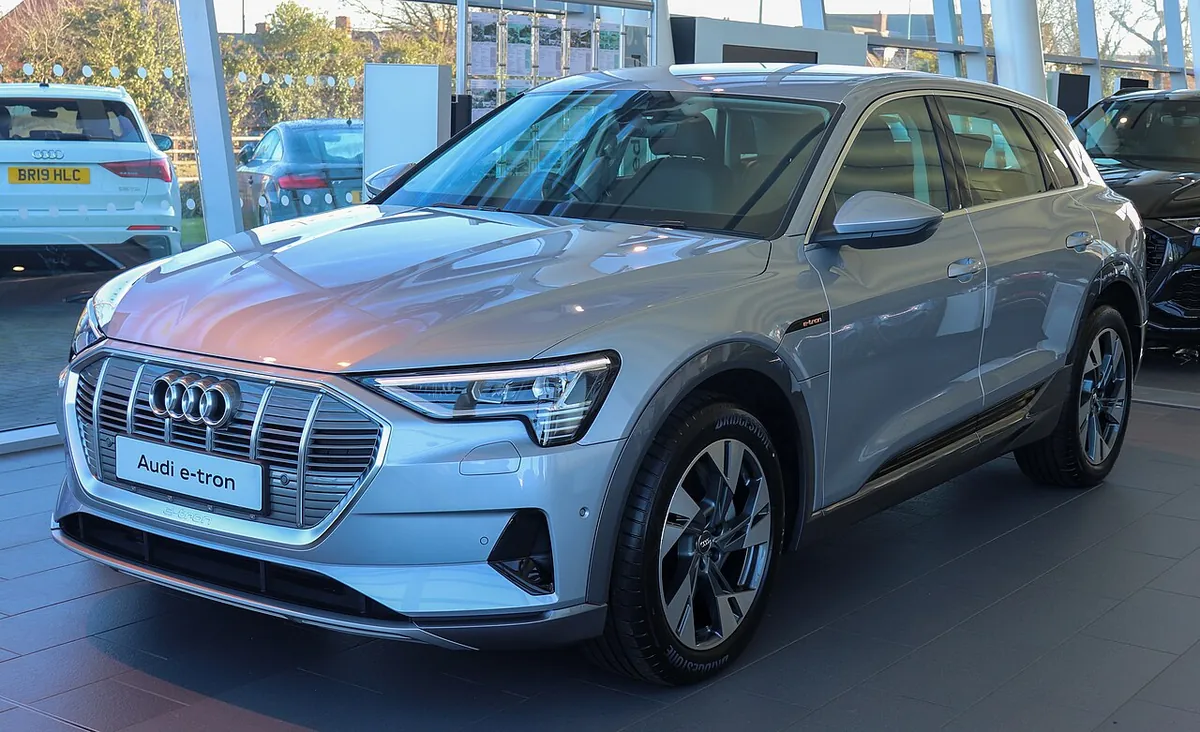
Vehicle identification, body version and generation guide the part assessment. An original e-tron, e-tron Sportback or Q8 e-tron should not be treated as one parts specification. Undertrays, shields, external protection and structural interfaces differ. The e-tron service and parts guide distinguishes general EV information from qualified specialist work. An exposed protective cover is not the traction-battery enclosure itself, and their repair decisions have different implications.
Any external parts proposal follows qualified clearance and permitted inspection. Compatibility, price and delivery time are confirmed after the damage and vehicle are identified. CarTech Hub does not promise high-voltage battery, enclosure, inverter, motor or charging-system repairs. Those components are information topics requiring a trained, equipped provider. Nor does the workshop guarantee that a visible shield can be replaced without considering the system or structure behind it.
Make specialist clearance precede accepted repair operations
Qualified assessment must establish the required electrical safety and receiving conditions before affected lifting, disassembly, heating or painting. Correct vehicle-specific lifting and repair procedures are necessary. This article offers no do-it-yourself isolation instructions. The assessment may identify the need for manufacturer-compatible diagnostics, battery or structural examination and appropriate specialist referral. An ordinary low-voltage check is not evidence that the high-voltage system has been assessed or made safe.
Once the vehicle is cleared and the scope accepted, appropriate external protection or body work can be considered under the applicable procedures. Distorted structure, restraint concerns or disturbed driver-assistance equipment may require further specialist inspection and calibration. CarTech Hub does not claim every EV accident operation can be performed in-house. The owner should receive a record of who assessed the vehicle, the accepted scope and any work requiring referral.
Give the insurer both external findings and specialist evidence
Accidental underbody damage may be considered under applicable own-damage cover, subject to policy conditions, exclusions and insurer approval. Third-party-only insurance does not cover the insured vehicle's repairs. Battery-related damage or consequential effects need the actual EV policy and purchased endorsements checked; they are not automatically paid because a standard motor product exists. Report the event accurately and keep external photographs and qualified findings distinct from assumptions about unseen damage.
Start through official reporting facilities or guidance in the Audi insurance directory. Retain the reference and use CarTech Hub claim enquiry to request coordination, not to register the insurer claim. Follow survey and inspection instructions. Specialist safety assessment and insurer authorization are separate requirements, and further findings may need supplementary approval. A decision about external shield replacement is not an authorization for traction-battery repair.
Clarify the limits of cashless and EV-policy acceptance
Until the insurer arrangement is verified, the status remains Insurance Claim Assistance Available – Cashless Eligibility to Be Confirmed. Individual e-tron policy acceptance, specialist repairer eligibility and CarTech Hub network status each require confirmation. Deductibles, depreciation where applicable, excluded items and non-approved work can remain payable. The motor-insurance resource helps locate policy materials, but a generic EV insurance page is not a guarantee of payment for the affected high-voltage component or proposed workshop.
Arrange the enquiry and retain the safety handover records
Use Book Service as an initial enquiry and state the underbody impact clearly; acceptance depends on receiving requirements and qualified clearance. Handover needs the agreed repair record, relevant specialist findings and any limitations or outstanding recommendations. A repaired outer cover alone is not a completed EV safety assessment. The Audi hub connects related guides, and Google Reviews and directions provide official Guwahati location links once an appropriate visit is arranged.
Official insurer claim channels
Audi policy evidence and official claim channels: a general motor policy or an EV product page does not prove acceptance of this premium vehicle, approved parts, battery cover or CarTech Hub cashless eligibility. Confirm registration, declared use, insured value and repair scope with the insurer.
Choose your insurer’s official claim-intimation link. Submit policy and identity information directly through the insurer’s approved channel. Its process and cashless authorization remain subject to your policy and the assessed claim.
Quick answers
Can a clean-looking e-tron undertray prove the battery is undamaged?
No. External appearance cannot establish high-voltage battery or internal-system condition. Qualified assessment may be required after an underbody impact.
Does this page advertise traction-battery enclosure repair at CarTech Hub?
No. Specialist high-voltage and battery-enclosure work requires trained personnel, appropriate equipment and procedures. Acceptance or referral must be confirmed before repair.
Can an e-tron underbody enquiry be treated as an accepted booking immediately?
No. State the impact and vehicle details first. Specialist receiving requirements, safety assessment and clearance determine whether the proposed scope can be accepted.
Vehicle and claim reference information
Use the manual for your exact vehicle and the issued insurance policy. These sources provide background and do not establish a workshop authorization or insurer tie-up.