In this guide
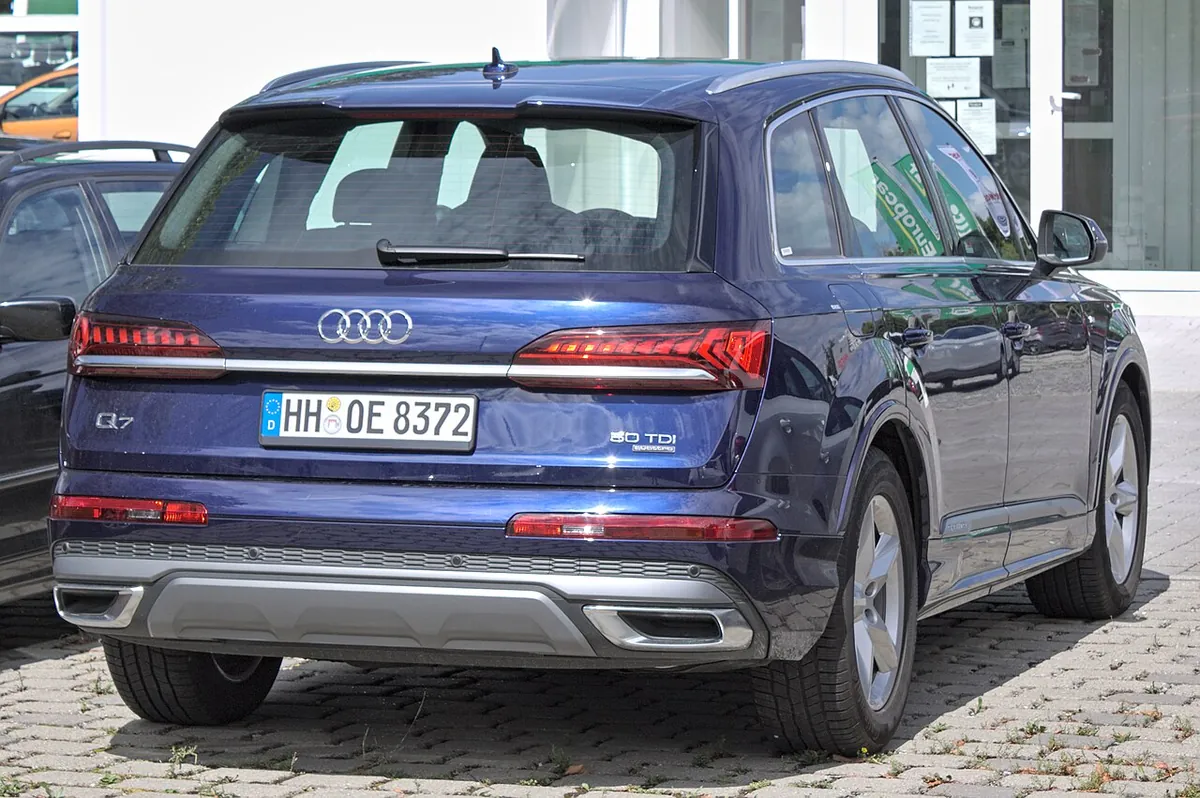
Q7 collision repair needs a body assessment and a plan for the SUV’s fitted chassis, electrical and safety systems. CarTech Hub Multi-Brand Workshop, Guwahati helps owners organise an accident-repair enquiry and motor-insurance estimate, with specialist access and repair requirements confirmed first. A visible bumper or door dent is not enough to decide that air suspension, hidden supports or assistance equipment are unaffected.
Plan safe Q7 transport and identify the build
Share generation, facelift, policy information and photographs of the incident damage. Report altered ride height, warnings, coolant loss, wheel damage and steering or braking changes. Air-suspension or electrified-system damage can affect recovery and lifting precautions, so obtain suitable advice before access. Qualified clearance must precede affected removal or paint work. CarTech Hub should confirm acceptance and specialist dependencies for the actual vehicle. Preserve the evidence required by the insurer, remembering that a workshop booking is separate from formal claim intimation.
Inspect chassis, closures and hidden front-end components
Front impact checks may include lights, bonnet security, radiator support, cooling hardware and sensors. Side inspection covers doors, glass, sill areas and affected safety equipment, while rear damage needs tailgate and lamp assessment. Wheel-area or underbody impacts can involve suspension, brakes or driveline components. Suspected structural, restraint and electrical damage require qualified procedures. The fitted air-suspension system must be identified before access or measurement. Define the workshop’s supported scope and the specialist route for calibration or advanced repairs rather than assume painting completes the restoration.
Estimate with generation and equipment matched
Specify Q7 facelift and fitted options for proposed lamps, bumper fittings, glass and chassis parts. An older Q7 assembly is not a default substitute for a newer car. Record whether repair is viable, why replacement is proposed and what paint or specialist procedure follows. Parts lead times are confirmed after compatibility and sourcing checks. The insurer may require more evidence before approving expensive equipment. Additional damage found during dismantling can need a supplementary estimate. Unrelated maintenance and owner-requested upgrades require separate consent and must remain distinct from covered accident work.
Intimate officially and coordinate insurer inspection
Use the policy insurer’s official motor claim facility through the Audi insurance directory. Prepare registration, policy and applicable driver details, accident photographs and other requested evidence. Surveyor or digital inspection arrangements vary with company and circumstances. CarTech Hub can provide the workshop estimate and communicate the documented scope, while the insurer controls authorisation. Keep parts and hidden-damage records where required. Covered repairs should follow the approval process rather than start because a large-SUV estimate has been uploaded or an inspection appointment has been confirmed.
How the estimate moves through the claim
1. Contact the workshop with Q7 generation, facelift, insurance details and a clear account of the impact. 2. Confirm safe recovery and access, then inspect affected chassis, cooling, panels and electrical or sensor equipment. 3. Intimate officially through the insurer’s motor route and retain the instructions for this particular incident. 4. Provide registration, applicable driver and policy records together with photographs and requested equipment evidence. 5. Coordinate surveyor or digital inspection, retaining damaged components and hidden-damage documentation where required. 6. Prepare an equipment-matched estimate covering body work, air-suspension dependencies, specialist procedures and paint decisions. 7. Secure insurer approval and separately document owner consent for unrelated maintenance or additional payable work. 8. Complete authorised repair or replacement and the agreed panel preparation and painting operations. 9. Review repaired areas and obtain required suspension, electrical, calibration or safety completion evidence before handover. 10. Reconcile supplementary approvals and customer charges, then deliver with the final job and claim paperwork.
Confirm cashless acceptance and the remaining charges
Check the individual Q7 policy and workshop eligibility before displaying a confirmed cashless arrangement. A leading insurer listing or the vehicle’s premium status is not proof of a CarTech Hub network tie-up. Deductibles, depreciation where applicable, consumables, unrelated repairs and unapproved extras can remain payable. Any specialist air-suspension, safety or calibration cost should have an identified authorisation route. Add-ons apply only on their stated terms. If cashless acceptance is unconfirmed, obtain the insurer’s permitted reimbursement instructions without promising automatic approval or a full invoice settlement.
Review the restored Q7 before delivery
Final checks should address the repaired closures, lamps, sealing, cooling and running-gear areas involved. Required structural, suspension, safety, electrical or calibration procedures need suitable completion evidence. Reconcile supplementary approvals and owner-authorised items before settling applicable charges. CarTech Hub can assist repair documentation and collection planning through genuine workshop contact and directions links. The insurer decides coverage and settlement. Keep the Q7’s accident record with its service history, including referred specialist work, because later ride-height, warning or parts enquiries need a reliable account of what changed.
Official insurer claim channels
Audi policy evidence and official claim channels: a general motor policy or an EV product page does not prove acceptance of this premium vehicle, approved parts, battery cover or CarTech Hub cashless eligibility. Confirm registration, declared use, insured value and repair scope with the insurer.
Choose your insurer’s official claim-intimation link. Submit policy and identity information directly through the insurer’s approved channel. Its process and cashless authorization remain subject to your policy and the assessed claim.
Quick answers
Why mention changed Q7 ride height after an accident?
It can affect safe recovery, workshop access and the specialist suspension inspection required.
Can a Q7 estimate omit affected camera or sensor work?
The fitted equipment and repair procedures should be assessed; required calibration or specialist tasks need an identified scope.
Does Q7 cashless approval cover all additional repair items?
No. Supplementary work follows insurer authorisation, and non-covered extras need owner consent.
Vehicle and claim reference information
Use the manual for your exact vehicle and the issued insurance policy. These sources provide background and do not establish a workshop authorization or insurer tie-up.