In this guide
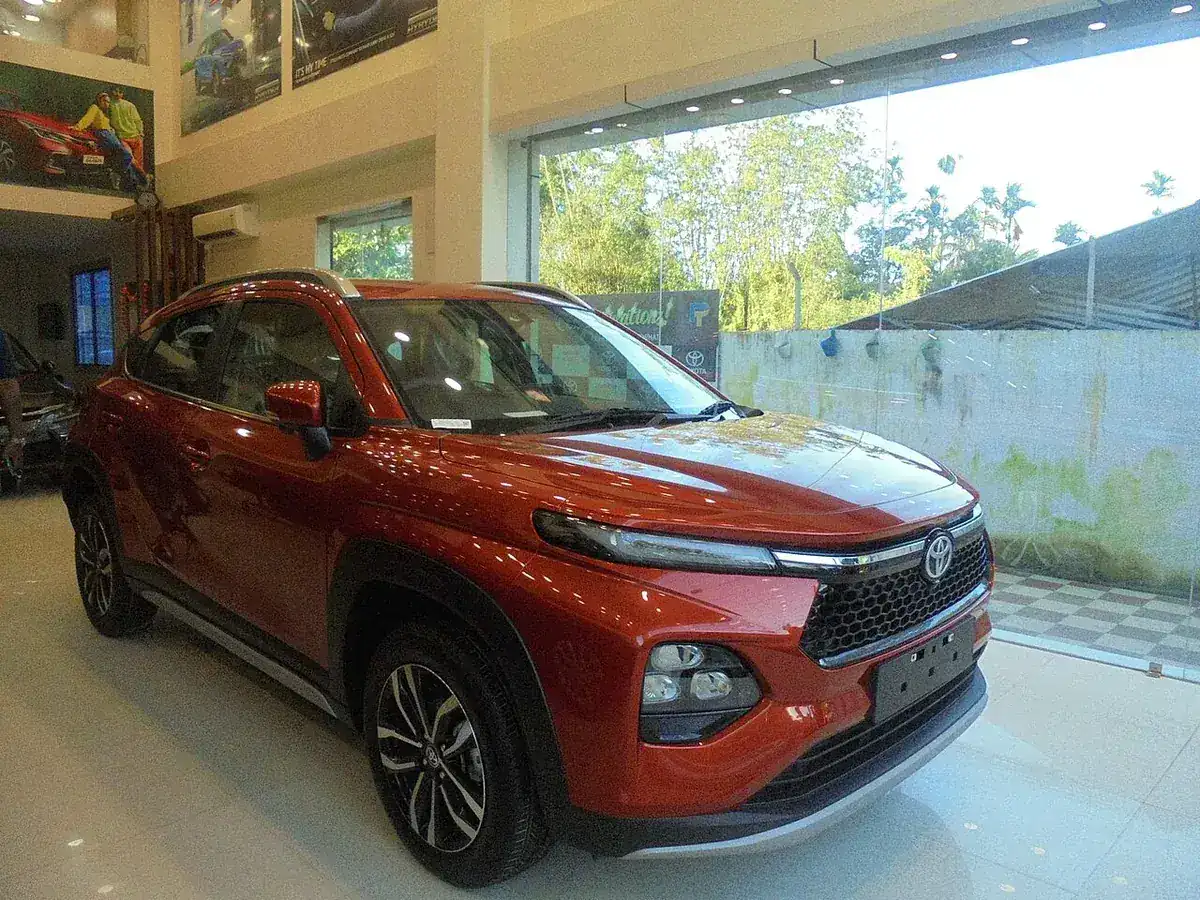
The Taisor badge covers more than one mechanical specification. A naturally aspirated petrol car used for school runs, a turbo variant taken on longer journeys and an E-CNG vehicle should not receive an identical repair recommendation. CarTech Hub in Guwahati helps owners organize a service enquiry around the installed engine, transmission and symptoms. This independently written guide connects those distinctions with spare-part selection, body repair and the insurance decisions that follow an accident.
Confirm which Taisor you are bringing
Toyota's Indian brochure distinguishes the 1.2-litre petrol and E-CNG family from the 1.0-litre turbo petrol family. Manual, AMT and six-speed automatic availability depends on the engine and grade. Turbo grades also have electric torque-assist and regenerative features; this does not make them battery-electric vehicles or equivalent to a strong hybrid. Share the VIN, build year and selector photograph. Similar Urban Cruiser names refer to different models, so describe the vehicle specifically as a Taisor.
Keep a useful periodic-maintenance trail
Before the appointment, collect the handbook, mileage and the previous oil specification rather than just the brand printed on a container. Air-filter condition, coolant leaks, accessory belts, tyres and brake wear belong in the inspection. The turbo engine has its own lubrication requirements; the petrol-engine oil choice must not be generalized from another Toyota. Manufacturer instructions and verified service history determine replacement timing. Dusty routes and repeated congestion should be reported as usage details, not used to sell unneeded parts.
Service update that explains the next action
A good update identifies the inspected engine and records why a job is proposed. For example, visible damage to an intake hose calls for checking the complete air path, whereas an overdue filter is a maintenance item. Request the diagnostic result, estimate and follow-up advice separately so a minor symptom does not disappear inside an unexplained full-service bill.
Investigate performance changes before condemning a turbo
Reduced response under acceleration can have several causes. A warning-light scan, intake examination and relevant operating data are more useful than selecting a turbocharger from a catalogue first. Mention whether the symptom appears after rain, during a climb or when the engine is warm. Fuel-system and turbo-related repair can be considered only after inspection and confirmed capability. The engine service page helps you prepare an enquiry without assuming major dismantling is necessary.
Transmission and chassis parts need their own checks
A manual clutch, an AMT clutch-control complaint and a six-speed automatic shift problem are different jobs. Record the conditions in which a shudder or delayed engagement occurs. Mounts, driveshaft joints, brakes or engine running can sometimes imitate a transmission complaint. Parts enquiries may cover engine filters, applicable spark plugs, clutch components for the identified manual arrangement, brake pads or rear drum items, struts, steering joints and wheel bearings. Complex transmission work requires specialist equipment or referral; no universal gearbox kit is promised.
AC and electrical care for daily Guwahati use
A weak blower and air that fails to cool are different complaints. Check airflow restrictions and report whether cooling improves while driving before ordering a condenser or compressor. Battery condition, wiring faults, fuses and the installed charging or assist system should be assessed appropriately. Do not bypass warning lamps or add improvised wiring to cure repeated faults. CNG valves and lines require competent inspection; a gas smell calls for stopping use and seeking safe assistance.
Taisor accident damage beyond the outer cladding
Wheel-arch cladding can conceal displaced mounts or impact around the sill. A damaged door may also affect glass movement and sealing. Front or rear bumper inspection should include retainers, lamp fixings, grille pieces and nearby cooling components where relevant. Record camera or parking-sensor equipment fitted to that grade before preparing the body estimate. Safety electronics, airbags and structural repair need a qualified facility where equipment is verified. Painting decisions should follow panel assessment, rather than treating every dent as a replacement.
Organize an insurer-reviewed estimate
After the vehicle is made safe, notify your motor insurer using the current policy contact. CarTech Hub can help document damage and prepare a parts-and-labour estimate, with old scratches or maintenance items identified separately. The policy, RC, driving licence, claim form, incident description and safe photographs are commonly needed; police or other records depend on the event and insurer. A survey or further inspection may be requested, and approval should precede insured repairs. Added damage discovered during strip inspection may require a supplementary estimate and authorization.
Eligibility for cashless repair must be checked for the insurer, policy and workshop arrangement. Claim admissibility and final approval depend on policy terms, insurer authorization and survey findings; assistance is not a guaranteed network tie-up. Review compulsory or voluntary deductibles, depreciation if applicable and other non-payables. Ask how those customer charges will be explained at delivery. The sequence and document list vary across claims, including reimbursement cases. The insurer information section offers related reading when comparing your Taisor estimate with the terms of the issued policy.
Send a precise service or accident enquiry
Book an Online Appointment with engine and transmission information, or use Insurance Claim Enquiry for impact damage. Call Now if movement is uncertain, and WhatsApp Us with a safe photograph of the affected area. Google Reviews provides the configured review destination. Compare the Glanza guide and Toyota hub for other independently described models.
Official insurer claim channels
Choose your insurer’s official claim-intimation link. Submit policy and identity information directly through the insurer’s approved channel. Its process and cashless authorization remain subject to your policy and the assessed claim.
Quick answers
How can I describe my Taisor gearbox correctly when booking?
Send the engine size, fuel type and a parked selector photograph along with the VIN. A 1.2 petrol AMT is not the same transmission as the turbo petrol six-speed automatic. This avoids allocating the wrong diagnosis or including an unsuitable clutch part.
Does electric assist remove oil servicing on a turbo Taisor?
No. The turbo petrol engine still requires the handbook-specified oil and service work. Electric assist is a different arrangement from a battery-electric vehicle. Questions involving its assist battery or control components need a confirmed qualified scope.
A Taisor door shuts after a scrape. Can I request painting only?
Check that the glass, lock, seal and panel clearance remain correct before choosing a cosmetic repair. Photograph the scrape and describe any water entry or changed closing effort. Hidden bracket or door-frame damage can change the safe repair proposal.
Can an insurer approve a cracked bumper and decline other Taisor items?
Yes, each estimate item must relate to the event and the policy cover. A worn tyre or old cladding scratch does not automatically qualify alongside fresh bumper damage. Request the approval breakdown and likely customer contribution before giving repair consent.
Vehicle and claim reference information
Use the manual for your exact vehicle and the issued insurance policy. These sources provide background and do not establish a workshop authorization or insurer tie-up.