
In this guide
A Fortuner bumper can look almost intact after a parking collision, yet a displaced corner may pull against a headlamp or wheel liner. Conversely, a visible scuff may need refinishing rather than a complete front-end parts order. At CarTech Hub, Guwahati, the useful starting point is to record what happened and inspect the affected area before deciding which repairs to propose. This guide helps an owner understand a front bumper estimate and its insurance implications without treating every mark as the same accident.
Identify the Fortuner before ordering the bumper
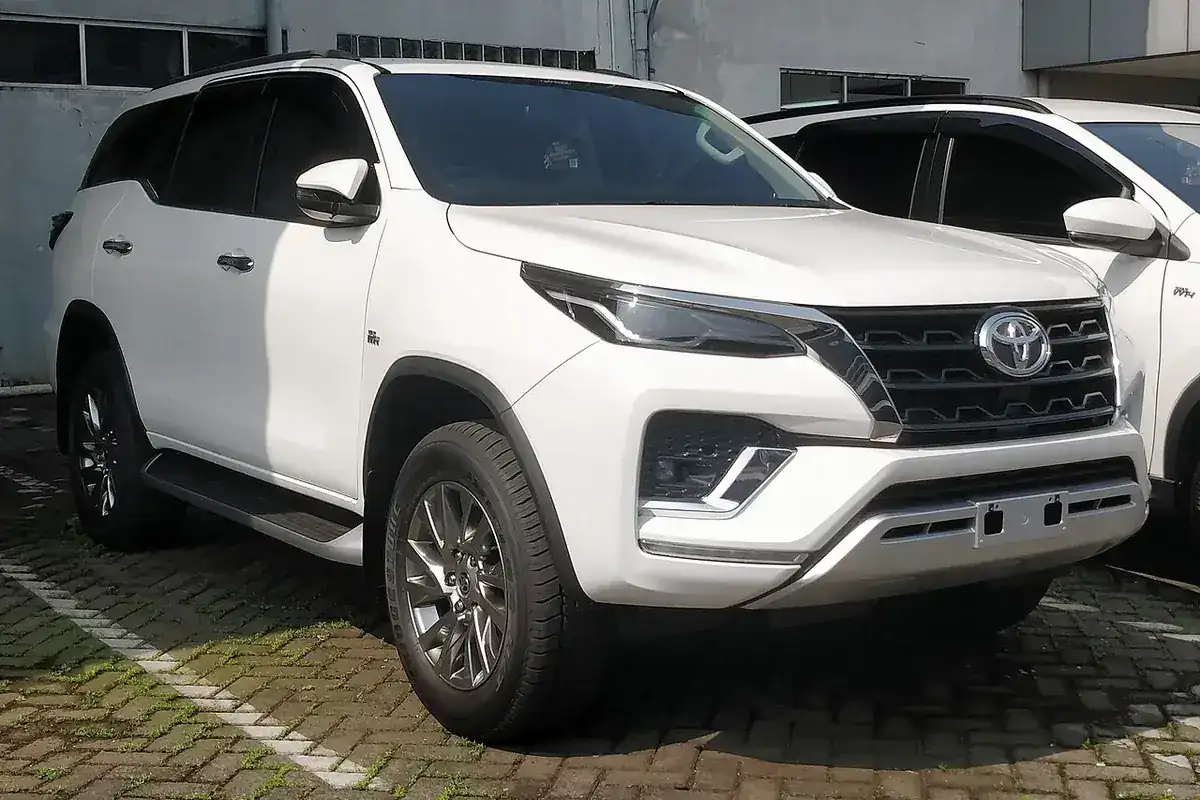
Give the workshop the registration year, VIN and exact grade, together with photographs of the front and damaged side. Different Fortuner generations and styling revisions need their own part checks; a Legender should not be treated as an interchangeable bumper specification. Factory and aftermarket accessories also need to be distinguished. Toyota lists front and rear parking assistance on relevant Fortuner grades, so a replacement cover must accommodate the equipment actually fitted to the vehicle.
The bumper cover, lower grille, fog-lamp surround, retaining brackets, fasteners and wheel-arch interfaces should be checked individually. An estimate should say whether each item is being repaired, replaced or reused. The model name alone does not establish a part number or availability.
Decide whether the vehicle should be recovered
A hanging bumper, tyre contact, coolant leakage or a displaced lamp warrants advice before driving. Photograph the scene safely and keep people away from live traffic. Do not reach under an unstable vehicle or repeatedly restart an overheating engine. If airbags have operated, the front structure looks displaced or warning lights follow the impact, tell CarTech Hub when arranging recovery. Airbag, structural and any specialist electrical work require confirmed competence and equipment or referral.
Look beyond the painted surface
The inspection may need to include the reinforcement, absorber where fitted, mounting points, radiator support, cooling pack, wiring and washer hoses. These are inspection possibilities, not a claim that they are always damaged. A corner impact can also disturb the liner or nearby suspension, while a straight impact may transmit force through supports behind the cover. Fresh photographs after approved dismantling help relate concealed damage to the reported incident.
Why a cooling check can change the estimate
A condenser or radiator may remain leak-free while its mount has moved. Uneven gaps, fan contact or abnormal AC performance deserve assessment rather than a cosmetic paint repair alone. Owners can read our AC service guidance for the difference between cooling diagnosis and simply adding refrigerant.
Choose a defensible repair method
A qualified assessment should consider the plastic material, crack location, retained shape and condition of mounting tabs. A repairable cover may be refinished using a compatible preparation and paint system; severely distorted or unsuitable material may need replacement. The reinforcement and safety-related supports must follow the applicable repair information, not be straightened merely to make the cover fit. CarTech Hub should explain the proposed method and any work that must be referred before obtaining the customer's approval.
Prepare the front-impact claim evidence
Contact the insurer promptly through the channel on the policy and retain the reference number. Usually requested information includes policy details, RC, the incident driver's licence, an accurate accident description, photographs and a repair estimate. Police information may be required for injuries, third-party damage or other circumstances specified by the insurer. HDFC ERGO policyholders can use its official motor-claims page to locate their claim options; this is not evidence of a CarTech Hub network arrangement.
Keep survey, approval and customer consent separate
The insurer may require a physical or digital survey before repairs or dismantling. The proposed estimate should itemize cover work, associated parts, paint and labour, then be revised with evidence if additional damage is revealed. Insurer authorization determines the admissible scope; the owner should also approve the workshop's work and expected personal contribution. Cashless repair depends on the policy, insurer approval, survey findings and applicable workshop/network eligibility. A claim reference alone does not authorize replacement of every front-end component.
Understand costs left outside settlement
Deductibles, depreciation unless an applicable add-on responds, consumables and unrelated pre-existing damage may remain payable. Ask for a written explanation of disputed or non-payable items before work begins. Reimbursement can require the customer to pay the repairer and submit final invoices and receipts, subject to the insurer's instructions. Neither route guarantees a particular settlement amount or delivery date.
Check fit, function and maintenance at delivery
Review panel gaps, securely retained liners, lamp operation and any fitted parking sensors. Ask whether the cooling checks and required diagnostic or specialist checks were completed. After refinishing, follow the paint system's care advice instead of applying polish immediately. Keep the final estimate, approvals and handover notes with the vehicle's service records. Routine oil, filter, brake and driveline attention remains governed by the correct Fortuner manual and condition; accident approval is not a substitute for maintenance.
For broader vehicle guidance, visit the Fortuner service and parts guide or compare the Legender guide. To arrange the next step, book an inspection appointment, submit an insurance claim enquiry, Call Now or WhatsApp the workshop. The Google Reviews link helps customers find the configured review destination. CarTech Hub is an independent multi-brand car workshop in Assam, not an authorized Toyota service centre.
Official insurer claim channels
Choose your insurer’s official claim-intimation link. Submit policy and identity information directly through the insurer’s approved channel. Its process and cashless authorization remain subject to your policy and the assessed claim.
Quick answers
What photographs help with a Fortuner bumper enquiry?
Send a full front view, both front corners, the damaged area and any loose grille or fog-lamp surround, taken while safely parked. Include the year and grade so the team can distinguish the cover style and fitted parking equipment.
Can a parking sensor simply be transferred to a new cover?
Only after checking the sensor, mounting holder, wiring and the correct cover specification. Its location and orientation matter; a sensor that still beeps may not be functioning correctly after an impact.
Does a cracked plastic cover mean the reinforcement is damaged?
Not necessarily. The cover and the components behind it need separate assessment. Conversely, intact-looking plastic cannot rule out movement of supports or cooling components.
What if dismantling reveals a bent radiator support?
Ask for documented supplementary findings and insurer instructions before extra work. Structural repair requires suitable repair information and confirmed workshop capability, with referral when those requirements cannot be met.
Vehicle and claim reference information
Use the manual for your exact vehicle and the issued insurance policy. These sources provide background and do not establish a workshop authorization or insurer tie-up.