In this guide
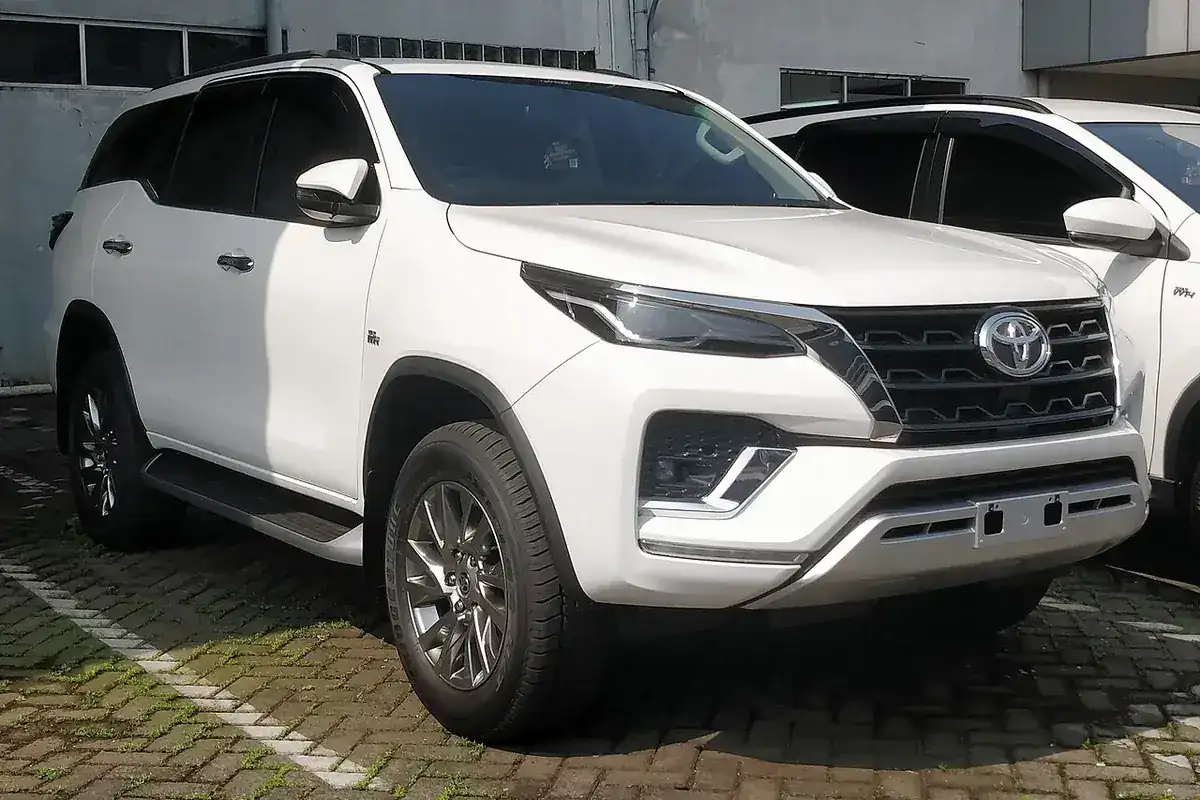
The word Fortuner is not enough to identify an engine, transmission or driveline. Different years and grades need different parts, and the optional NeoDrive system adds another important distinction. For customers in Guwahati, CarTech Hub offers a place to organize maintenance and accident-repair enquiries around that actual vehicle specification. This guide explains how to evaluate a repair proposal without treating a large SUV's reputation as proof that any noise, warning or impact can be ignored.
Confirm petrol, diesel and optional NeoDrive equipment
Toyota's Indian Fortuner information includes petrol and diesel specifications, with manual, automatic and four-wheel-drive arrangements depending on grade. The official NeoDrive release describes specific diesel variants with 48-volt assist equipment. That mild-hybrid arrangement is not installed in every Fortuner and is not equivalent to a strong hybrid or battery-electric car. Send VIN, year, fuel type and transmission details. Manufacturer-approved warranty or campaign work should be verified with Toyota; CarTech Hub does not claim authorized service-centre status.
Use the handbook to set maintenance requirements
Oil and filter selection must follow the identified engine's specification. Diesel fuel filters, petrol ignition items, coolant requirements and driveline fluids are not one universal list. Bring records showing what was changed and when, especially for a pre-owned vehicle. Brake, tyre, hose and underbody inspection can support the scheduled visit. Long travel, dust and repeated slow traffic should be reported so applicable manufacturer guidance can be considered, rather than choosing arbitrary intervals or a heavy-duty lubricant without verification.
Service update after demanding use
Ask for separate notes on engine running, braking, steering, suspension and visible driveline leaks. State whether the vehicle has carried heavy loads, used rough roads or had recent accessory work. A dated record of symptoms and measurements makes it easier to evaluate a developing problem. Clear maintenance history also helps distinguish an accident-related complaint from a condition that predated the incident.
Diagnose shifting and driveline complaints by configuration
Manual clutch operation requires a different assessment from automatic delayed engagement. Wheel bearings, shaft joints or engine mounts can contribute to a vibration, so describe when it occurs before requesting gearbox replacement. Four-wheel-drive components are applicable only to vehicles fitted with that system, and drive modes must be used according to the owner's instructions. Complex transmission or transfer-system work needs confirmed competence and tooling or referral. NeoDrive assist-system concerns require appropriate specialist procedures instead of a generic alternator diagnosis.
Spare parts need exact engine and body references
An estimate may include engine mounts, filters, cooling hoses, radiator parts or diagnosed fuel-system components. Clutch plate and operating parts apply to the identified manual specification. Brake discs and pads, calipers, ABS-related parts, suspension arms, bushes, shocks, steering joints and wheel bearings should be tied to findings. Lamp assemblies, bonnet, bumpers, grille and mirrors differ with year and grade. Appearance or a shared Toyota badge is not enough to confirm fitment, nor does this article promise parts stock.
Assess AC and electrical faults before expensive replacement
If cabin cooling becomes weak, describe whether the problem appears only parked, throughout the cabin or with low airflow. Fan operation, leaks, condenser obstruction and the correct system configuration need checking before compressor work. A starting issue calls for appropriate battery and charging assessment. Any 48-volt equipment must be identified before electrical work; no unverified specialist capability is claimed. Warning lights deserve diagnosis, while improvised wiring or disabling a sensor can create further problems.
Inspect impact damage and recover safely
A front collision may affect bumper supports, lamps, bonnet latch, cooling components and frame-related mounting areas. A wheel impact can add alignment, steering or brake concerns beyond a paint estimate. Avoid driving with fluid loss or changed steering response. Recovery must suit the actual drivetrain and manufacturer guidance. Denting and painting can follow repairability assessment, but airbags, significant structure and safety-system calibration require an appropriately equipped specialist where CarTech Hub's capability is not confirmed.
Insurance estimate, survey and authorization
Intimate the claim through your policy's insurer contact and preserve safe photographs. Policy, RC, driver licence, claim form and incident information are commonly requested; police or other evidence depends on the case. CarTech Hub can assist with damage inspection and an estimate identifying repairs, replacements and painting. The insurer may require a survey and additional information. Approved repairs should begin after authorization; newly discovered damage needs a supplementary estimate and review when required.
Cashless assistance is not a promise of a verified tie-up. Availability depends on policy conditions, insurer approval, survey findings and applicable workshop/network eligibility. Ask about deductibles, depreciation where relevant and non-payables before consent; zero-depreciation cover does not remove every possible customer charge. The procedure varies by insurer and incident. Final inspection and completion documents should explain the agreed repair and any outstanding follow-up when the vehicle is delivered. The motor insurer guides offer a next step for company-specific Fortuner claim questions; final eligibility comes from your insurer and policy.
Arrange your Fortuner visit with clear details
Choose Online Appointment for maintenance or Insurance Claim Enquiry for collision coordination. Call Now to discuss safe movement; WhatsApp Us with specification and damage photographs. Google Reviews directs you to the configured feedback link. The Legender guide and Toyota hub explain related specifications without implying identical parts.
Official insurer claim channels
Choose your insurer’s official claim-intimation link. Submit policy and identity information directly through the insurer’s approved channel. Its process and cashless authorization remain subject to your policy and the assessed claim.
Quick answers
Does every Fortuner have a 48-volt NeoDrive system?
No. NeoDrive is a specific diesel variant arrangement rather than equipment on every Fortuner. Provide the VIN and grade before battery, assist or charging work is considered. It also differs from Toyota's strong-hybrid and battery-electric systems.
A Fortuner vibrates under acceleration. Is the gearbox necessarily worn?
The timing and road conditions matter. Mounts, wheels, shaft components and engine running can contribute to vibration alongside a transmission concern. Describe load, speed and temperature so inspection can establish a cause before major parts are ordered.
Can a Fortuner bumper scrape hide cooling damage?
An impact may reach supports, condenser, radiator area or nearby mounts. Report leaking fluid, cooling warnings or changed AC performance along with visible damage. Those observations help decide whether the enquiry needs urgent mechanical assessment rather than painting alone.
Can zero-depreciation insurance guarantee no Fortuner repair contribution?
No. Check the issued add-on terms, deductibles, limits, exclusions and any non-payable items. The insurer also decides accident admissibility and approved scope. Ask for a customer-contribution estimate even when zero-depreciation cover is shown on the policy.
Vehicle and claim reference information
Use the manual for your exact vehicle and the issued insurance policy. These sources provide background and do not establish a workshop authorization or insurer tie-up.