In this guide
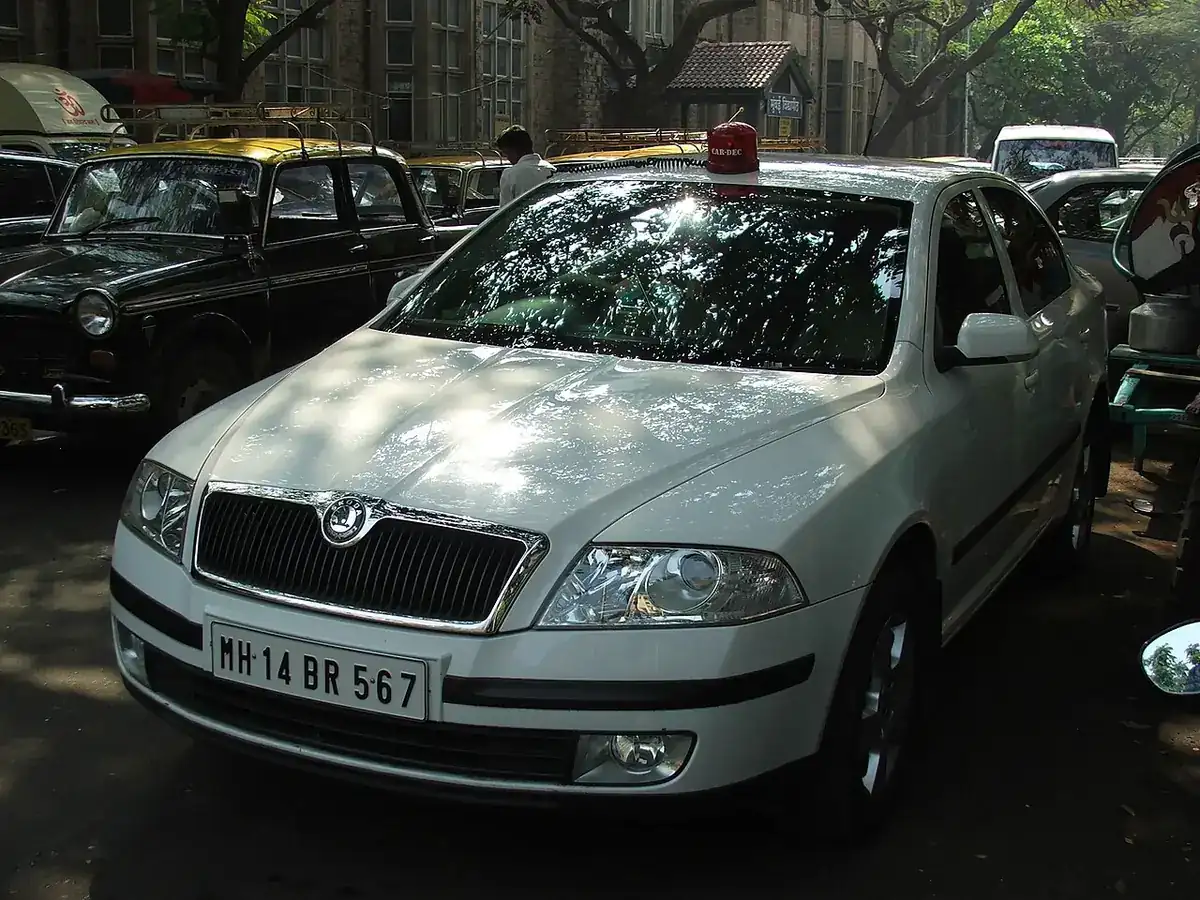
The Laura is its own generation of Indian Škoda
The Laura name was used in India for the second modern Octavia generation. It should not be confused with the original Octavia or the later third-generation car sold under the Octavia name. Petrol and diesel Laura examples also need different engine and gearbox identification. A badge or registration date alone cannot establish which components are fitted.
For Laura service in Guwahati, CarTech Hub – Multi-Brand Car Workshop, Guwahati reviews the VIN, fuel type, engine details, transmission and earlier repairs. Owners should mention if an assembly, instrument cluster or electrical component was replaced previously. A useful plan begins with the car in front of the technician rather than a generic list for all Škoda sedans.
Maintenance guidance should account for age as well as mileage
Reconstruct the service baseline
Use the relevant Škoda owner information and the vehicle’s maintenance booklet to establish oil approval, filter requirements and engine-specific checks. Gather invoices for cooling repairs, ignition or fuel-system work, timing-related attention where applicable, brake fluid and gearbox maintenance. Missing records are a reason for assessment, not evidence that every major assembly has failed.
A Laura used regularly in slow Guwahati traffic may arrive with AC, clutch or cooling complaints that are less noticeable on open roads. Describe those conditions when booking. The service update should separate scheduled maintenance from fault investigation and from age-related deterioration, so the owner can approve each category knowingly.
Engine diagnosis starts with petrol or diesel identification
A petrol Laura requires checks relevant to ignition, fuel delivery, intake operation and its fitted engine controls. Diesel diagnosis can involve fuel supply, injector information, starting assistance and air or boost-system operation. Different historical engines should not share one plug, filter, belt or sensor shopping list. Parts verification is especially important after years of repairs or substituted components.
Keep warning messages and scan records if available. A misfire, rough idle or power loss does not establish the cause without further evidence. Cooling leakage, excessive temperature and oil-pressure concerns also deserve prompt attention. Stop safely for severe warnings; do not continue driving to see whether a problem becomes more obvious.
Cooling-system findings can prevent repeat visits
A Laura owner may report coolant consumption without seeing a puddle. Inspection can examine accessible hoses, connections, radiator condition, thermostat-related operation, water-pump leakage and fan control. The fitted engine determines component design. A pressure test or other appropriate investigation should be performed safely; opening a hot system is not an owner maintenance task.
The workshop can explain whether leakage has been demonstrated, which parts are affected and what further investigation is needed. Oil and coolant symptoms should not be dismissed by changing fluids alone. Read the Laura engine and cooling guide for a focused discussion of these complaints. An engine overhaul is proposed only after proper diagnosis and confirmed technical support.
Clutch, transmission and driveline checks
On a manual Laura, clutch operation, release components, hydraulic or other fitted controls, mounts and gear selection should be assessed together. A rattle, pedal difficulty and slip under load are different complaints. Clutch plate, pressure plate, release bearing and any flywheel-related parts must match the actual engine and transmission.
If DSG is fitted, identify its exact type before proposing fluid service, filters or internal components. Do not assume that all Laura DSG variants use the same procedure. Vibration can also relate to mounts or driveshaft joints. CarTech Hub confirms the supported inspection and repair scope; specialist mechatronic work, internal overhaul, coding and adaptation are not guaranteed by this page.
Brakes, suspension, AC and electrical reliability
Brake assessment should cover pads, discs, calipers, hoses, fluid and applicable rear components, with attention to warning lights or a changing pedal. Suspension noise calls for a location-based check of dampers, mounts, bushes, arms, links, steering ends and bearings. Tyres and wheels should be inspected before alignment recommendations are made.
For weak AC, distinguish reduced airflow from insufficient cooling. Cabin filtration, blower operation, leaks, condenser condition and compressor controls can require different work. Battery, charging and starter checks help separate voltage problems from a failed module. Ageing wiring or previous accessory installation should be disclosed. Electrical replacement or programming proceeds only where the required procedure and capability are confirmed.
Match mechanical and body parts to the Laura
Inspection-driven parts may include the correct oil and filters, engine mounts, cooling components, ignition or diesel fuel-system items, clutch parts, driveshaft components and verified brake or suspension replacements. A part shared in appearance with another Volkswagen Group vehicle is not automatically compatible; application, dimensions, connectors and part identification need checking.
Accident parts can include the bumper, bonnet, fender, door, liftback, lamps, windscreen and mirrors appropriate to the Laura’s build. Repair versus replacement should be explained, along with paint preparation and any associated concealed damage. Part availability, technical compatibility, price and delivery time will be confirmed after vehicle and variant verification. Availability on a discontinued car is never guaranteed by a blog.
Insurance assistance for an accident is not a maintenance policy
A frontal collision may affect radiator supports or cooling connections as well as visible panels. Side damage needs checks around hinges, openings and surrounding structure. The workshop can discuss an estimate for supported denting, painting and compatible replacement parts. Specialist structural and restraint-system work requires a separate capability assessment.
CarTech Hub Multi-Brand Workshop, Guwahati provides Škoda accident repair and motor insurance claim assistance. Cashless repair availability is subject to the insurer, policy conditions, survey, claim approval and confirmed workshop or network eligibility.
Use official insurer claim-intimation links and provide policy details, vehicle documents, driver information and requested photographs. The insurer may require a survey before estimate approval. Approved work needs customer authorization, and worn or pre-existing parts must be distinguished from accident damage. Deductibles, depreciation and non-payable charges can remain with the customer. Continue to the Laura accident and claim page for the sequence.
Prepare the visit with useful information
Bring service records and explain whether the complaint changes with temperature, load or road surface. Before monsoon travel, check tyres, wipers, lights and visible leaks, and avoid uncertain water depth. Retain a record of findings and replacements for the next assessment. CarTech Hub is an independent multi-brand workshop; the description does not imply manufacturer authorization or unrestricted specialist repair capability.
Book Service · Call Now · WhatsApp · Insurance Claim Enquiry · Google Reviews · Workshop Directions and Contact
Official insurer claim channels
Choose your insurer’s official claim-intimation link. Submit policy and identity information directly through the insurer’s approved channel. Its process and cashless authorization remain subject to your policy and the assessed claim.
Quick answers
Why is a Laura not listed as the original Octavia?
Laura identifies the second modern Octavia generation sold in India. Parts and service assumptions from the earlier original Octavia or a later Octavia should not be transferred without verification.
What helps diagnose coolant loss when there is no puddle?
Record how often the level falls and any temperature warning or smell. A suitable cooling-system inspection can look for leaks that are not obvious during parking.
Can another Laura’s gearbox-fluid advice be used for mine?
Only after confirming that the gearbox type and specification match. Petrol, diesel and historical transmission combinations require their own identification.
Does accident insurance cover a pre-existing coolant leak?
Not automatically. Disclose the prior leak and the accident circumstances. The insurer determines whether the claimed damage is linked to an admissible insured event.
Vehicle and claim reference information
Use the manual for your exact vehicle and the issued insurance policy. These sources provide background and do not establish a workshop authorization or insurer tie-up.