In this guide
An Indian Fabia is not every Fabia shown online
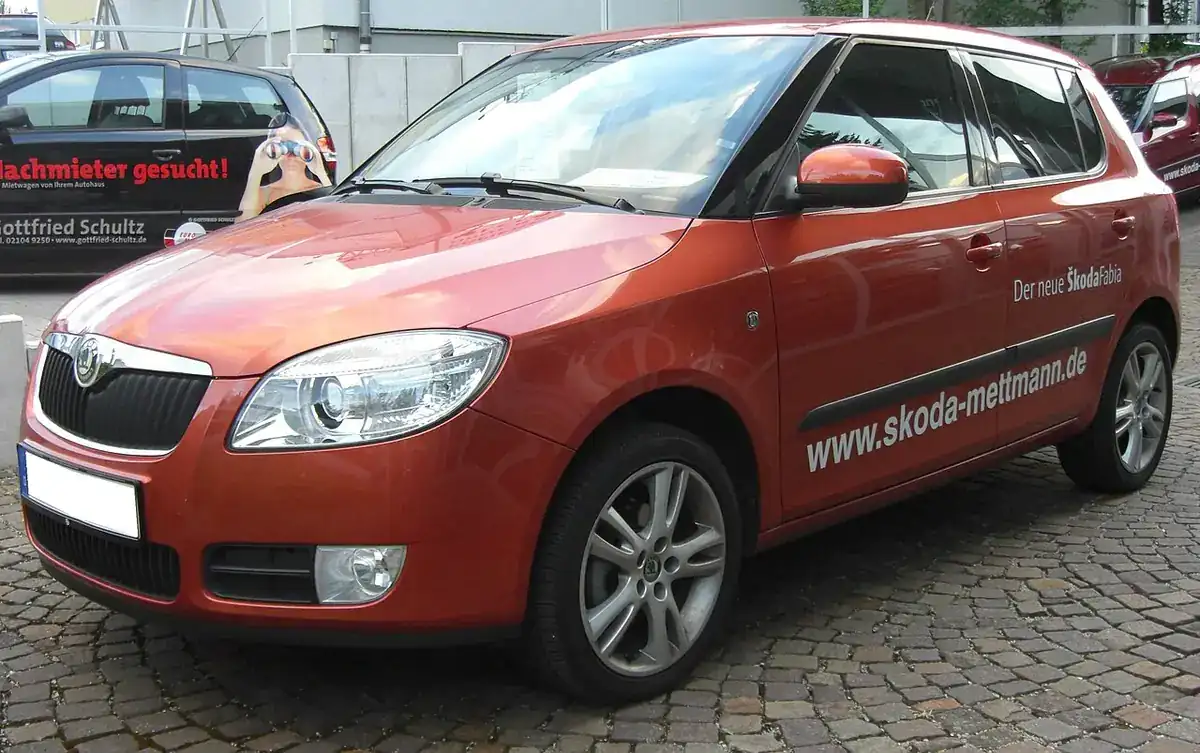
This guide concerns the older second-generation Fabia hatchback used in India. Indian examples have different petrol and diesel engine specifications according to build period. Overseas Fabia generations, estate models and RS or automatic variants should not be used as a shortcut for selecting Indian replacement parts. Check the actual engine, manual gearbox and vehicle identification first.
CarTech Hub – Multi-Brand Car Workshop, Guwahati can discuss a Fabia inspection that addresses the owner’s symptoms and the supported repair scope. A compact hatchback still needs a precise estimate: the correct engine service items, clutch components and body parts matter as much as they do on a larger sedan.
Use service history to separate wear from missed maintenance
Check condition before deciding the next replacement
Older Fabias may cover modest annual distance yet have ageing fluids, rubber components or batteries. Gather the last service date, mileage and invoices for filters, coolant, brake fluid, clutch or cooling-system attention. Refer to the applicable manufacturer manual and vehicle documents rather than copying a modern European Fabia schedule.
Oil approval and filter choice must follow the fitted engine. Petrol plugs are not substitutes for diesel starting components, and a fuel filter must be relevant to the actual installation. CarTech Hub can record safety concerns, routine service items and diagnostic questions separately. This avoids describing every observed mark or noise as a mandatory replacement.
Investigate rough running and starting complaints
An owner should describe whether a Fabia starts poorly only in the morning, loses power when warm or shakes at idle. Petrol inspection may involve plugs, ignition coils, intake or fuel delivery and related electrical checks. Diesel investigation uses its own starting, fuel and air-system evidence. Neither engine type should be blamed for a fault solely because a similar online account mentions it.
Diagnostic codes should be considered alongside voltage, connections and mechanical condition. Engine mounts can contribute to perceived vibration without causing a combustion fault. The correct sensor, belt-related component, gasket or filter must be confirmed by application. Severe overheating or an oil-pressure warning calls for a safe stop and assessment, not continued driving to the workshop.
Keep cooling and clutch inspection practical
Cooling checks can consider hose condition, radiator leakage, fan operation, thermostat function and water-pump evidence appropriate to the engine. Ask why a proposed component needs replacement and whether a leak has been demonstrated. An unexplained coolant loss should not be concealed by repeated topping up or an unapproved additive.
A manual Fabia clutch concern deserves a check of pedal operation, release mechanism, mounts and gear selection. Slip under load differs from a stiff pedal or selection difficulty. Clutch plate, pressure plate and bearing fitment must be verified before a kit is ordered. A gearbox noise should also be assessed against wheel-bearing or driveshaft symptoms instead of assigning every moving noise to the transmission.
Inspect the hatchback’s brakes and road-contact components
Grinding, pulling or a changing brake pedal needs prompt investigation. Inspect pads, discs and the fitted rear braking arrangement, plus hoses, hydraulic condition and fluid history. Do not order rear disc components where the vehicle has a different arrangement. An ABS warning can require sensor, wiring and diagnostic checks rather than a guess about the control unit.
For suspension knocks, inspect the applicable dampers, strut mounts, bushes, arms, ball joints and steering links. Compare noise on bumps with noise while turning. Tyres, wheel damage and bearings also affect the road behaviour. A wheel-alignment service should follow correction of identified loose or damaged parts, not be presented as a cure for every vibration.
AC and electrical faults should be tested before parts selection
Weak ventilation can result from cabin filtration or blower problems; inadequate cooling can require checks of leakage, condenser condition, compressor operation or controls. These are different investigations. The correct cabin filter, blower, compressor or hose fitting should be established before ordering. A gas top-up alone is not a repair for a confirmed leak.
Battery testing, charging checks and starter-circuit assessment can help explain intermittent starting. Fuse and relay inspection should include the reason a fuse has failed. Tell the workshop about added audio equipment, alarms or past wiring repairs. Headlamps, tail lamps and switches should match the build and connector arrangement, with any specialist electronic work subject to confirmed capability.
Select parts for the hatchback that actually exists
Routine parts may include the engine-approved oil and filter, air filter, cabin filter and applicable ignition or diesel fuel-system items. Brake pads, rear brake components, clutch parts, mounts, bushes, bearings and cooling parts are selected after inspection. A common brand supplier or visual similarity does not prove that a Polo or another Fabia component fits.
Body replacements can include the appropriate bumpers, bonnet, fenders, doors, tailgate, lamps, mirrors and windscreen. Earlier repairs or facelift differences may affect mounting and alignment. Part availability, technical compatibility, price and delivery time will be confirmed after vehicle and variant verification. Discuss sourcing, the proposed part description and whether existing undamaged items can be retained.
Accident repairs and honest claim documentation
On a small hatchback, an apparently local bumper impact can also damage brackets, lamps or the cooling pack. A rear collision can affect tailgate closure and lamp mounting; side damage requires door-gap and hinge inspection. CarTech Hub can assess supported body work, denting, painting and compatible replacement parts without promising unrestricted structural or safety-system repair.
CarTech Hub Multi-Brand Workshop, Guwahati provides Škoda accident repair and motor insurance claim assistance. Cashless repair availability is subject to the insurer, policy conditions, survey, claim approval and confirmed workshop or network eligibility.
Find Register Motor Claim / Claim Intimation buttons in the official insurer directory. Share policy and vehicle details, photographs and driver documents requested for the claim. The insurer may require inspection before approving the estimate. Customer authorization, applicable deductible and non-payable maintenance or depreciation must be addressed separately. The Fabia accident-repair guide explains these steps in more detail.
Keep a Fabia dependable for city and nearby journeys
A pre-trip visit can prioritise brakes, tyres, cooling leaks, lights and charging condition. Monsoon preparation includes wipers and visible water-entry concerns without entering uncertain floodwater. High-mileage inspection should use measured findings and repair history. This is independent multi-brand workshop information; it does not claim an authorized Škoda appointment or guaranteed availability of every discontinued part.
Book Service · Call Now · WhatsApp · Insurance Claim Enquiry · Google Reviews · Workshop Directions and Contact
Official insurer claim channels
Choose your insurer’s official claim-intimation link. Submit policy and identity information directly through the insurer’s approved channel. Its process and cashless authorization remain subject to your policy and the assessed claim.
Quick answers
Can I use a current overseas Fabia service guide for my Indian hatchback?
Not without matching generation, engine and equipment. Current European variants can differ substantially from the older Indian Fabia.
Do all Fabias need rear brake discs?
No. Inspect the actual rear brake arrangement and match replacement parts to the vehicle instead of assuming a disc setup.
Will an AC gas refill fix my Fabia’s recurring low cooling?
If refrigerant is escaping, the source needs investigation and suitable repair. Repeated refilling does not by itself resolve a confirmed leak.
Can I claim ordinary clutch wear after a minor bumper collision?
The insurer assesses the accident and the policy. Routine clutch wear is not automatically linked to bumper damage and must not be represented as accident damage.
Vehicle and claim reference information
Use the manual for your exact vehicle and the issued insurance policy. These sources provide background and do not establish a workshop authorization or insurer tie-up.