In this guide
Keeping an older Renault Fluence comfortable and dependable often involves several decisions at once: which work is urgent, whether a component can be repaired, and which replacement actually fits. CarTech Hub – Multi-Brand Car Workshop, Guwahati helps Fluence owners frame those decisions through inspection and a defined estimate. This guide covers the discontinued Indian combustion-engine sedan and its updates. An overseas Fluence Z.E. electric vehicle is a different vehicle application and is not the basis for the services described here.
Confirm the particular Fluence before choosing parts
Renault records the Fluence among its first Indian passenger cars, followed by a later styling update. Manufacturer Indian warranty information identifies the diesel K9K manual application. Earlier petrol/CVT cars require their own engine and gearbox identification and documents rather than assuming the diesel service plan applies. Imported examples or changed assemblies must be identified from the vehicle and records.
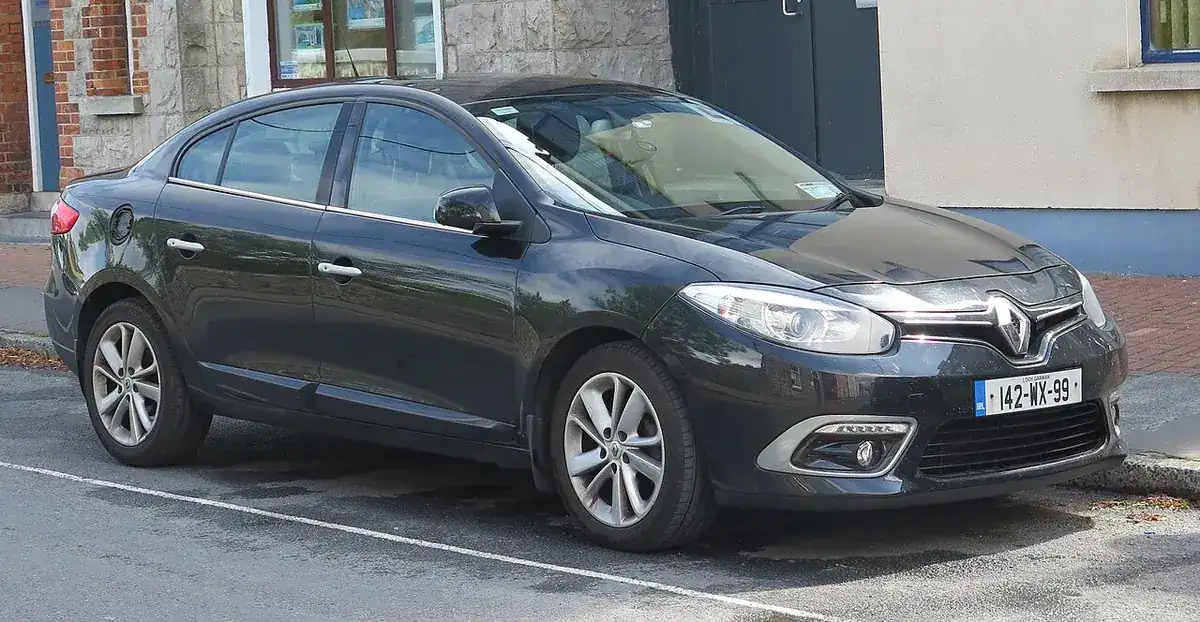
At CarTech Hub, include the VIN, fuel type, registration year, fitted transmission and the main concern in an enquiry. Facelift, trim and installed equipment matter for lamps, mirrors, bumpers and electronic components. A clear photograph can help establish what should be checked, but it does not replace a compatible parts reference.
Establish a maintenance baseline for long-term ownership
An older premium sedan should not receive a repair plan based solely on its age or original market position. Ask what work has already been completed and when. Engine oil, filters, cooling system, brakes, tyres, battery and transmission-related records form a practical baseline. A previous repair can influence current diagnosis, particularly if the symptom appeared soon after that work.
CarTech Hub can discuss oil and filter service, intake condition, appropriate fuel filtration, cabin ventilation and fluid checks. For petrol, ignition components are relevant to running quality; diesel work follows the fitted fuel and engine system. The maintenance booklet's requirements take precedence over a universal interval. Where records are missing, an inspection and documented recommendation are more useful than a claim that every fluid or belt must immediately be changed.
Engine, cooling and diagnostic investigation
Diesel starting difficulties, hesitation and smoke may involve fuel delivery, injector information, intake condition or other relevant controls. A petrol running complaint needs its own ignition and fuel-system investigation. Vibration can also be transmitted through worn or incorrectly fitted engine mounts, so the running system and its supports should be considered together where appropriate.
For cooling concerns, radiator condition, fans, hoses, thermostat, water pump and evidence of leaks require examination. Repeated coolant top-ups should not conceal the underlying loss. A serious temperature warning, pressure warning or abnormal noise means the vehicle should be stopped safely and assessed before further driving. CarTech Hub discusses major engine repairs only after diagnostic evidence, scope and equipment requirements are understood.
Transmission care that matches the installed unit
Diagnose engagement separately from the engine complaint
A diesel manual's clutch and gear-selection enquiry can involve the friction assembly, release arrangement, operating system, mounts or controls. A vibration during take-off is not enough to choose a complete clutch kit. Driveshaft and joint condition can also affect the way the car feels while accelerating.
A Fluence fitted with a CVT needs specification-specific assessment, maintenance records and the appropriate diagnostic capability. Delayed movement, warning messages or a change after earlier fluid work should be reported accurately. The manual clutch parts list does not describe a CVT repair. Internal transmission work, programming or specialist module diagnosis may require referral after the accepted workshop capability is checked.
Chassis condition and braking confidence
For a Fluence that no longer rides as expected, inspect tyres and worn suspension components before attributing everything to shock absorbers. Bushes, arms, joints, mounts and bearings can influence noise, ride and steering response in different ways. Alignment-related measurements are meaningful after the mechanical condition has been established, especially if uneven wear followed an impact or previous repair.
Brake enquiries at CarTech Hub cover fitted friction hardware, disc condition, hydraulic concerns, hoses, fluid and ABS-related faults. The presence of rear discs or other equipment must be checked on the actual version rather than assumed from a premium-car label. A changing pedal or persistent grinding needs prompt investigation, not an optional cosmetic booking.
Cabin comfort, AC and electrical ageing
The Fluence's comfort equipment adds useful functions but also additional points to identify during a fault. Poor airflow, inadequate cooling and incorrect climate-control behaviour can have different causes. Assess applicable cabin filtration, blower operation, refrigerant leakage, condenser condition and compressor performance instead of authorizing a compressor solely because the cabin feels warm.
Battery, charging system and starter condition affect dependable operation, particularly after longer parking periods. Electrical enquiries may concern access-card operation, windows, mirrors, switches, lighting, sensors or module information. CarTech Hub should confirm the diagnostic route and parts support for a particular electronic function before promising repair. Altered wiring or accessory installation needs to be declared in the service history.
Fluence mechanical and body parts require a careful match
Filters, cooling components, engine mounts, ignition or diesel-related items, clutch and transmission parts must match the assembly identified. Suspension and brake parts should have a suitable application and manufacturer specification, not simply a similar appearance. With a less common sedan, establishing that match before dismantling helps the owner understand both the work and the supply uncertainty.
For accident or cosmetic repairs, front and rear bumpers, grille, bonnet, lamps, fenders, doors, boot lid, mirrors and glass are checked against facelift and equipment details. The Fluence windshield and claim guide discusses glass compatibility and damage documentation. Parts availability, compatibility and delivery time will be confirmed after vehicle inspection and model verification. CarTech Hub does not describe unverified stock or an unknown alternative as a genuine part.
Maintenance updates and accident estimates
Service updates for the Fluence mean using the relevant historical vehicle instructions and checking current condition. Manufacturer campaign eligibility must be verified with Renault using the VIN. Before monsoon travel around Guwahati, discuss tyre condition, visibility, electrical reliability and water-leak concerns. A pre-trip review can focus on unresolved cooling or transmission symptoms instead of adding unsupported preventive overhaul recommendations.
After collision damage, use the Fluence accident and insurance page. CarTech Hub can help prepare photographs and a repair estimate with compatible components identified. Policy documents, RC, licence and incident evidence may be required, with the final list set by the insurer. Cashless authorization remains subject to policy terms, survey, approval and confirmed workshop/network eligibility. Depreciation, deductibles, excluded maintenance and other non-payable amounts should be explained before work begins.
Discuss the Fluence repair priorities with CarTech Hub
A written scope helps distinguish a safety issue, necessary maintenance and a preferred cosmetic improvement. Provide earlier diagnoses and estimates if available, but allow the present vehicle condition to determine the final recommendation. CarTech Hub is independent and does not claim Renault authorization. Structural and safety-system jobs require confirmed resources and appropriate referral where needed.
Arrange Book Service, call or WhatsApp with the car's details. For impact work, select Insurance Claim Enquiry and find registration routes in the official insurer directory. Read Google Reviews, find workshop contact and directions, and visit the Renault knowledge centre.
Official insurer claim channels
Choose your insurer’s official claim-intimation link. Submit policy and identity information directly through the insurer’s approved channel. Its process and cashless authorization remain subject to your policy and the assessed claim.
Quick answers
Does this Fluence service page include the overseas Z.E. electric model?
No. It concerns the Indian combustion-engine sedan. An electric or imported vehicle needs separate identification, safety procedures and verified workshop capability.
What information helps with a Fluence access-card or electrical problem?
Describe the exact function affected, battery or starting symptoms, earlier repairs and accessory changes. The workshop can then confirm the appropriate diagnostic support before quoting a module.
Why should a Fluence body-part estimate record the facelift?
Lamps, bumper styling, trim, fittings and associated connections can vary. The year, VIN and fitted equipment establish compatibility before a replacement is ordered.
Can I authorize a windshield replacement before the insurance inspection?
Check insurer requirements first and preserve damage evidence. Survey or prior authorization may be required; urgent measures and reimbursement conditions should be clarified with the insurer.
Vehicle and claim reference information
Use the manual for your exact vehicle and the issued insurance policy. These sources provide background and do not establish a workshop authorization or insurer tie-up.