In this guide
Keep an older premium sedan's repair plan specific
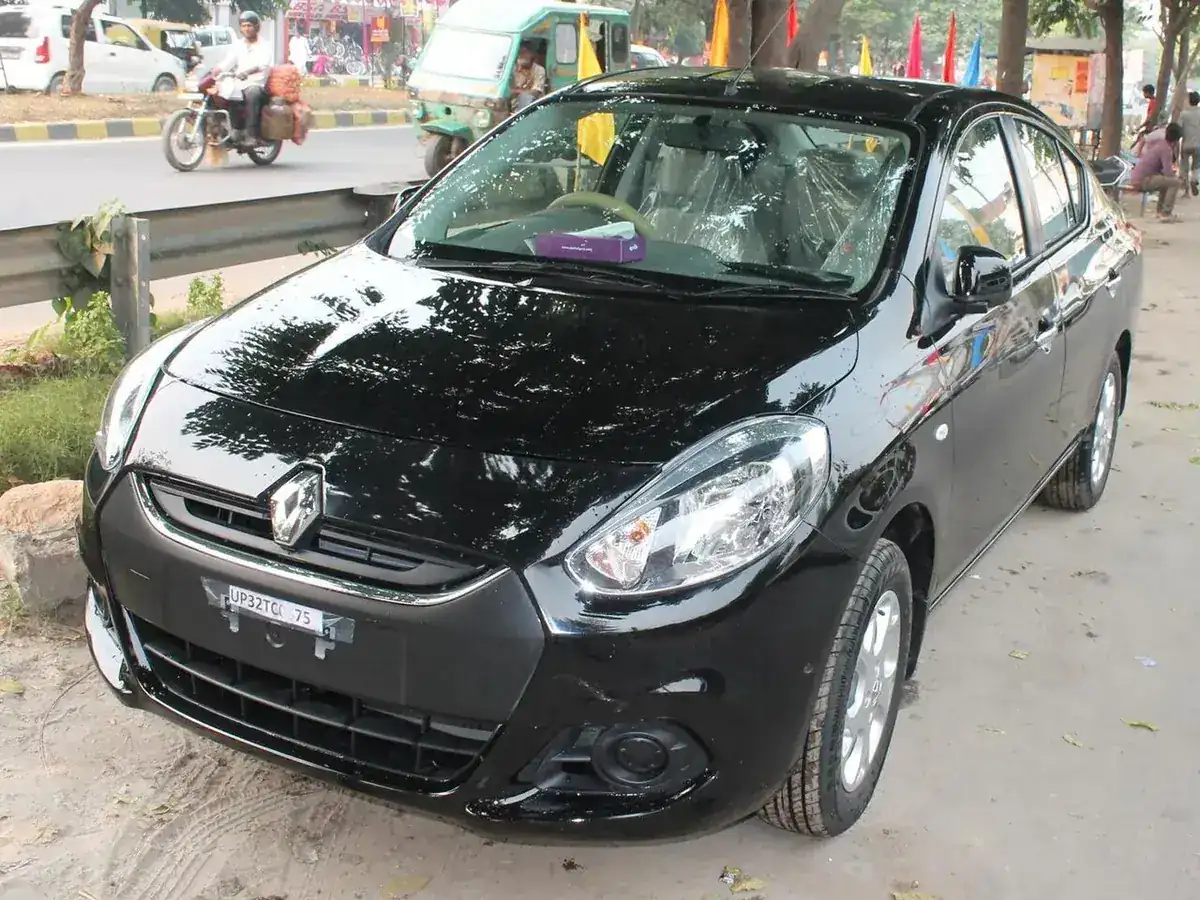
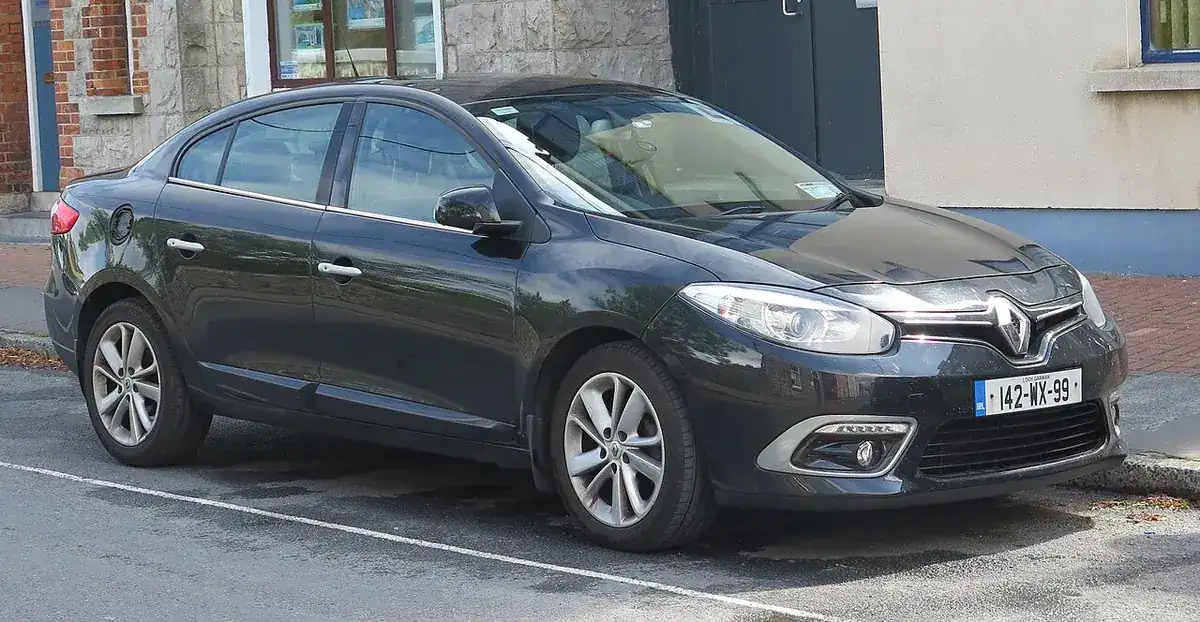
A Renault Fluence accident-repair enquiry often begins with a bumper, boot-lid or lamp photograph. To make that enquiry useful, CarTech Hub – Multi-Brand Car Workshop, Guwahati needs the vehicle year, fuel type and a description of the impact. The Indian Fluence is an older sedan, so a quote should identify its actual configuration rather than borrow parts or repair advice from an overseas electric Fluence or a newer Renault.
Petrol and diesel configurations do not share every service component or transmission arrangement. Existing documents and vehicle identification should establish which one has arrived for inspection. For Guwahati owners, the important first step is a repair scope that describes this car and this accident, including any pre-existing damage.
Rear-body inspection should include closure and sealing
A rear collision may affect the bumper cover, lamp attachments, boot lid, latch, rear panel or quarter-panel edges. Ask whether the boot closes differently, water has entered the luggage area or a lamp stopped working after the incident. These are useful observations for the job card, not instructions to test a damaged mechanism repeatedly.
Separate the panel finish from the underlying condition
A neat exterior repaint does not confirm that the boot opening, mounts or surrounding body remain correctly positioned. The assessment should consider the affected seals, wiring and glass where relevant. Any concern involving structure, restraints or another specialist system needs a verified repair procedure and capability, or an appropriate referral. CarTech Hub does not promise that cosmetic work resolves every crash consequence.
Parts verification protects both estimate and repair
The right Fluence lamp, bumper or trim item must match the generation, side and specification. The quoted part may be only an outer panel or a bare assembly, so identify associated brackets, connectors and fittings that need separate consideration. An old invoice or a seller's title is useful background but not proof that a supplied component fits correctly.
CarTech Hub's spare-parts replacement guidance should also distinguish body repair from routine mechanical service. Engine mounts, fuel-system parts, cooling hoses and transmission components depend on the petrol or diesel vehicle present. Parts availability, compatibility and delivery time will be confirmed after vehicle inspection and model verification. No continuous stock availability, fixed price or procurement deadline is claimed for this discontinued model.
Service concerns found during accident assessment
The Fluence may have an unrelated AC concern, battery weakness, worn brake component or suspension noise. Record the owner's pre-accident symptoms separately. A diagnostic finding can justify service work without making that work payable under the accident claim.
Use the Fluence service, parts and maintenance guide for questions about periodic upkeep. For a glass-only impact, the Fluence windscreen and New India Assurance guide provides a closer match. Keeping enquiries specific helps CarTech Hub plan the required inspection and explain any repair category that needs specialist confirmation.
Give the insurer a complete and accurate account
Report the incident through your insurance company's official claim-intimation channel and retain the claim reference. Confirm that the vehicle registration and policy details match. Explain the date, location, damage and circumstances without combining unrelated earlier work into the description.
The insurance-company directory connects to applicable major motor insurers and shows claim-link verification notes. It may provide a direct registration route or official guidance, depending on what has been verified. A displayed New India Assurance record, for example, should not be mistaken for proof of a confirmed CarTech Hub cashless agreement or a guaranteed claim outcome.
Organise documents before the repair estimate is finalised
The usual file may contain the policy schedule, registration certificate, driver licence, claim declaration and accident photographs. The insurer can ask for additional records, including police information where the circumstances require it. If ownership or policy details need clarification, resolve those through the insurer rather than assuming the workshop can correct the policy.
Share sensitive records only through an agreed private channel. For photographs, include views that place the damaged area in the context of the vehicle and preserve the original files where possible. Tell CarTech Hub about previous body repairs or a lamp that already malfunctioned. This avoids confusing an accident-related electrical fault with an older complaint during assessment.
Survey findings, repair scope and later discoveries
Surveyor or insurer inspection may be required before major dismantling. Coordinate access and clarify permission for any inspection that changes the visible condition. The estimate should explain which panels can be repaired, which compatible parts are proposed for replacement and which labour or paint operations are associated with them.
Where damage becomes apparent behind a panel, CarTech Hub should document it and submit a supplementary estimate if necessary. Ask what has been approved and what is still awaiting a decision. Insurer approval concerns the claim's payable scope; owner consent concerns the workshop work to be undertaken. Neither a claim reference nor a survey visit is authorisation for an unlimited restoration.
Cashless arrangements and the owner's payable share
CarTech Hub Multi-Brand Workshop in Guwahati provides Renault accident repair and motor insurance claim assistance. Cashless repair availability is subject to insurer approval, policy conditions and confirmed workshop/network eligibility. For an arrangement that has not been verified, the accurate status is insurance claim assistance with cashless eligibility to be confirmed.
Discuss the likely owner-payable categories before repair: deductibles, applicable depreciation, non-covered consumables, excluded damage and separately requested upkeep. The exact assessment follows the policy and approved scope. Do not assume a zero-depreciation add-on removes every charge or that reimbursement follows the same payment flow as cashless repair. Supply uncertainty and supplementary findings can also affect completion timing.
Final checks and a practical way to enquire
Delivery should follow review of the approved work, affected closure and lighting functions, sealing concerns and final claim documents. Any unresolved specialist finding or agreed outstanding service item should remain visible in the handover. For a high-mileage sedan, a separate maintenance plan can then prioritise safety, cooling, AC and drivability without mislabelling them as accident repairs.
Book Service or submit an Insurance Claim Enquiry for a Renault Fluence assessment. Call CarTech Hub, WhatsApp your basic vehicle details, and use contact and location or Google Reviews and directions before visiting. The Renault hub provides connected model and repair guidance.
Official insurer claim channels
Choose your insurer’s official claim-intimation link. Submit policy and identity information directly through the insurer’s approved channel. Its process and cashless authorization remain subject to your policy and the assessed claim.
Quick answers
Are Fluence electric-car parts relevant to this guide?
No. This article addresses the older Indian petrol or diesel sedan. Overseas Fluence Z.E. information should not be used to establish component applicability.
Can the boot closing properly rule out hidden rear damage?
No. Closure is only one observation. Mountings, surrounding panels, sealing and affected wiring may still need inspection after a collision.
Why must previous Fluence repairs be disclosed?
Previous panel work or electrical faults can affect assessment and fitment. An accurate record helps separate new accident damage from existing concerns.
Is a parts delay the same as an insurer refusing the claim?
No. Claim admissibility, approved repair scope and compatible-parts procurement are separate issues. Ask for the current status of each rather than assuming one explains the others.
Vehicle and claim reference information
Use the manual for your exact vehicle and the issued insurance policy. These sources provide background and do not establish a workshop authorization or insurer tie-up.