In this guide
An earlier ZS EV deserves a repair plan based on its own generation, not the latest model's showroom specification. After years of use, previous bodywork, aging low-voltage components and ordinary wear can coexist with new accident damage. CarTech Hub – Multi-Brand Car Workshop, Guwahati helps owners organise inspection and motor insurance claim assistance, keeping those different concerns visible in the estimate and referring specialist electric-system questions through a confirmed competent route.
Verify the original ZS EV specification
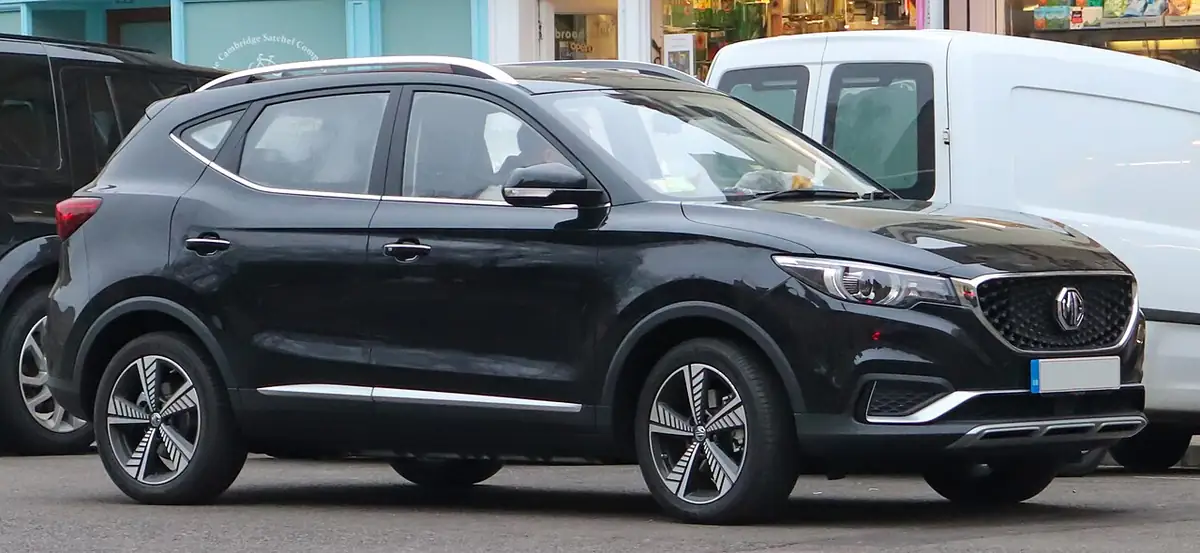
MG's Indian ZS EV launch and later update information establish that the range changed over time. This page focuses on earlier vehicles, including original Indian versions before the later facelift configuration. Use the VIN, manufacturing date, invoice and correct owner's documents to identify the car. Do not replace its battery or body description with a current ZS EV brochure.
The required component may have changed across updates even when the model name stayed the same. A bumper, lamp, charging-area part, windscreen or electronic assembly needs exact fitment checks. A photo of a current car is not evidence that a proposed replacement is suitable. Identify existing aftermarket items and past repairs before requesting parts or presenting the damage to the surveyor.
Distinguish warranty questions from a motor claim
A battery-warranty enquiry, an age-related range complaint and an accident insurance claim are different matters. Manufacturer warranty terms and the issued motor policy must be considered separately. A general statement about a battery warranty should not be used to promise free replacement after collision or water-related damage.
Explain when symptoms began. If reduced range or a charging complaint existed before the event, record that history. If a warning appeared immediately after impact, include it as an observation needing competent assessment. CarTech Hub does not claim battery-pack opening, cell replacement or advanced high-voltage rebuilding. Confirm the specialist safety route and insurer evidence requirements before related decisions are made.
Plan safe recovery for an older EV
An older vehicle that still powers on may nevertheless have wheel, glass or underbody damage that makes travel unsafe. Tell the recovery provider the precise EV model and observed condition, and use the manufacturer's applicable recovery guidance. Do not drive further merely because the body scrape looks modest or the display seems normal.
Smoke, unusual heat, exposed electrical parts, damaged charging equipment or significant floor impact needs professional safety advice. Avoid an exploratory charge or opening any battery cover. Keep people clear of immediate hazards and arrange the appropriate professional response. The workshop can discuss supported assessment work after the recovery and safety needs are understood.
Inspect the impact path and generation-specific parts
Earlier front-end and glass assessment
The estimate should document bumper and lamp attachments, nearby supports and accessible wiring or cooling-area concerns according to the actual impact. For a windscreen, confirm the older glass specification and fitted equipment instead of assuming the current camera or mounting arrangement. A correctly identified part is more useful than a long generic list of components that may not belong to the car.
Wheel impacts require tyre, rim, bearing, suspension and steering findings to be recorded separately from paint work. Structural, restraint or advanced electronic tasks need suitable capability. Parts availability, compatibility and delivery time will be confirmed after vehicle inspection and model verification. The proposal should explain any specialist dependencies before a replacement order or repair promise is made.
Report the accident using the issued policy
Verify own-damage validity, vehicle details, exclusions and any relevant endorsements. Through the official insurer directory, use the actual policy issuer's motor-reporting channel; New India Assurance, ACKO and United India are possible examples. Insurer names on this website are not claims that CarTech Hub has cashless agreements with them.
Keep the accepted claim acknowledgement, policy schedule, registration certificate, relevant driving licence, photographs and incident statement. Additional claim forms, identity, ownership, bank or police records depend on the insurer and circumstances. Describe separate old damage, earlier repairs and optional work clearly. A quotation or booking reference from the workshop does not prove insurer registration or admissibility.
Seek approval for an evidence-based repair scope
CarTech Hub can help prepare a proposal showing what was damaged, why repair or replacement is recommended, the labour involved and necessary specialist checks. Before removing evidence, ask whether the insurer requires a surveyor, remote inspection or further photographs. Keep damaged components as instructed and do not cover collision evidence with preliminary paint work.
If hidden damage is found during approved dismantling, support a supplementary estimate with findings and await the relevant decision. Do not merge overdue tyres, worn brakes or unrelated low-voltage battery replacement into accident work automatically. The owner should see the distinction between approved collision repairs, pending assessments and separate maintenance tasks.
Cashless eligibility and older-vehicle deductions
CarTech Hub Multi-Brand Workshop, Guwahati provides MG vehicle accident repair and motor insurance claim assistance. Cashless repair availability is subject to the insurer, policy conditions, vehicle survey, claim approval and confirmed workshop or network eligibility.
For arrangements not verified, use Insurance Claim Assistance Available – Cashless Eligibility to Be Confirmed. The insurer must confirm the permitted workshop and claim route. If reimbursement is necessary, understand the payment records, repair documents and submission process before proceeding; neither vehicle age nor comprehensive cover establishes a cashless approval.
Depreciation, deductibles, uncovered consumables, excluded losses and non-approved work may contribute to the owner share. An add-on must be read against its actual conditions and age restrictions where applicable. Replacement need, policy admissibility and any warranty response are separate decisions. Ask for a clear explanation of approved items and customer-payable costs instead of assuming one programme covers everything.
Handover with repair history retained
Review panel fit, lamps, glass, closures and the agreed functional checks. Ask for documentation of any required specialist safety assessment and unresolved recommendations. If accident damage involved electric systems, suitable clearance must precede further use or charging. A finished paint surface does not establish the health of the battery or complete a pending technical diagnosis.
The earlier ZS EV service guide and high-mileage EV care article support ongoing maintenance based on the actual manual, age and usage. Tyres, brakes, suspension, AC, filtration and low-voltage battery health remain relevant without adding combustion-engine service tasks.
Book an inspection, request insurance claim assistance, call or WhatsApp CarTech Hub. The reviews page and contact/location details help plan a visit in Guwahati. Share the earlier model's records and recovery needs before arrival.
Official insurer claim channels
Choose your insurer’s official claim-intimation link. Submit policy and identity information directly through the insurer’s approved channel. Its process and cashless authorization remain subject to your policy and the assessed claim.
Quick answers
Does an earlier ZS EV use the same battery description as the facelift?
Do not assume that. Verify the actual production version, records and manufacturer documents; different model updates need generation-specific identification.
Can a battery warranty be treated as collision insurance?
No. Warranty terms and the motor-insurance policy address different matters. Each relevant provider must assess the issue under its own conditions.
Can worn tyres be added to an older ZS EV accident estimate automatically?
No. Routine wear must be separated from accident damage. Inspection evidence and the insurer’s accepted scope determine any covered replacement.
What should I keep after an earlier ZS EV repair?
Retain the repair record, approved and supplementary estimates, insurer decisions and any specialist safety findings to support later servicing and ownership history.
Vehicle and claim reference information
Use the manual for your exact vehicle and the issued insurance policy. These sources provide background and do not establish a workshop authorization or insurer tie-up.