In this guide
Record which earlier Astor you own
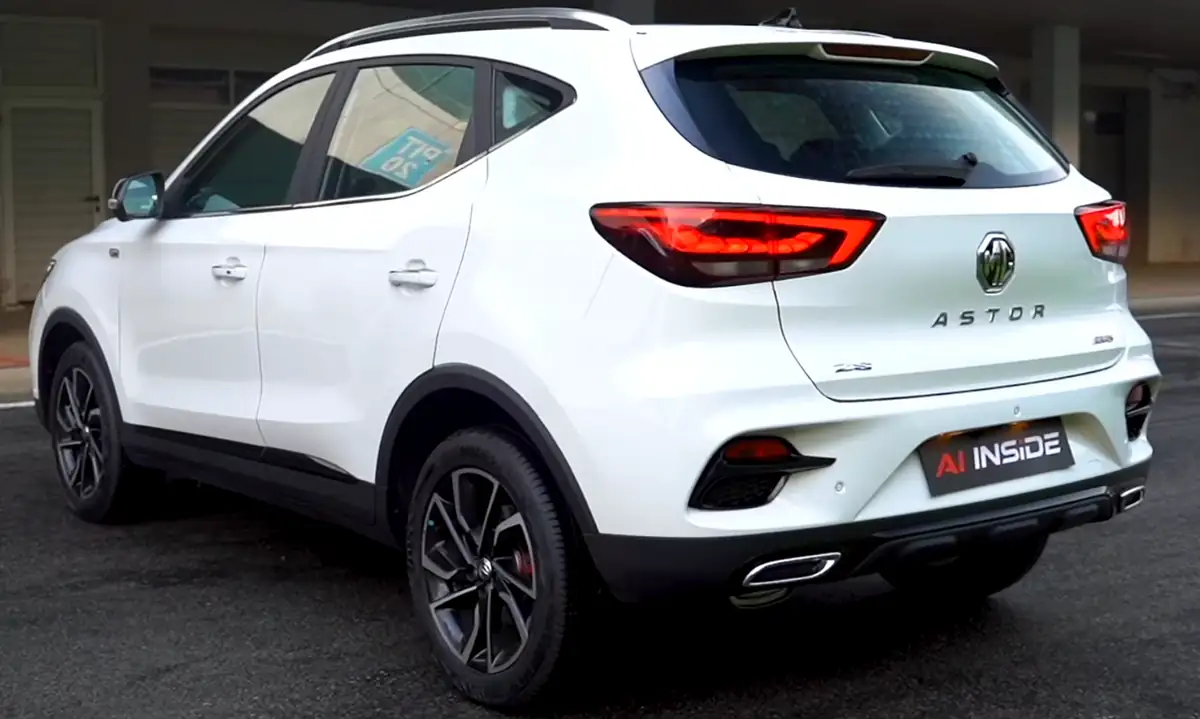
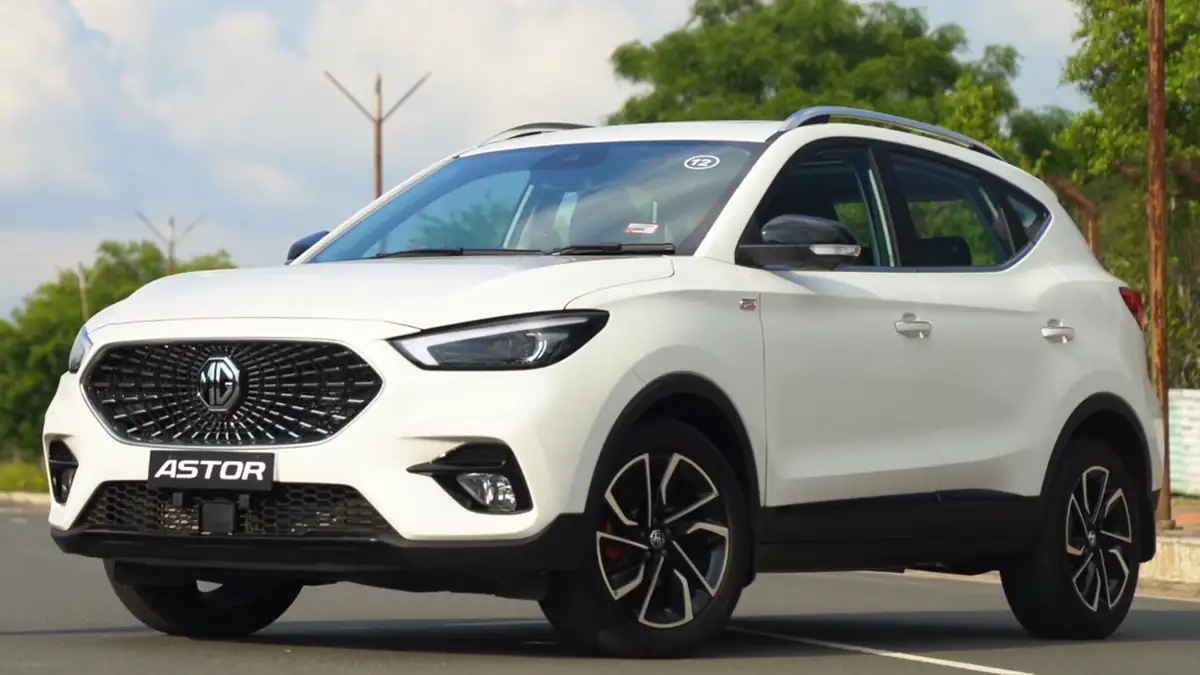
An earlier Astor service enquiry should identify its engine and gearbox before any parts list is prepared. MG's owner-information material distinguishes a 1.5-litre petrol configuration with manual or CVT choices and the earlier 1.3-litre turbo petrol with a six-speed automatic. Those systems require different maintenance and diagnostic decisions. The car should not be treated as a ZS EV because its shape is familiar, nor as a DCT vehicle simply because it is automatic.
CarTech Hub – Multi-Brand Car Workshop, Guwahati helps owners arrange supported petrol-engine, brake, suspension, comfort-system, electrical and body assessments. This page is for earlier variants and does not declare a universal discontinuation date. The workshop confirms the exact vehicle and its ability to undertake the requested work before promising a repair, ordering parts or suggesting a specialist procedure.
Vehicle configuration for your enquiry
Earlier Astor identification should include the engine and automatic-transmission type, not simply the word automatic. This is especially important when comparing a turbo version with a naturally aspirated CVT car. Keep old invoices with the enquiry so CarTech Hub can verify earlier fluid and component choices before recommending further work.
Oil, filters and service history
Bring the handbook for your model year and invoices from previous visits. They show the fluid approvals used, replaced components and recurring complaints. The next service is planned from the appropriate schedule, age and mileage, with actual condition considered. A generic interval copied from a current Astor, another MG or a diesel SUV is not sufficient guidance for your car.
Engine oil, oil and air filters, cabin filtration and spark-plug requirements belong to the identified petrol engine. Fuel-system filtration is considered only where applicable to the installed arrangement. Tyres, accessible leaks, brakes, steering and battery condition are other useful checks. The inspection report should distinguish due work from a developing fault and items that remain serviceable.
Petrol running faults and turbo-specific assessment
A steady misfire, loss of response or an occasional starting difficulty needs more than a parts quotation. Note whether it happens during cold starts, after idling or under acceleration, and whether a warning accompanies it. Available diagnostic data, ignition inspection and relevant supply-system checks help establish the next supported step. A named fault does not prove that every corresponding sensor, coil or injector has failed.
What differs on the earlier turbo version
The 1.3 turbo vehicle has components and operating considerations that should not be assumed for the naturally aspirated engine. Inspecting the complaint may involve relevant hoses, mounts or cooling concerns. Advanced turbo rebuilding, internal engine rebuilding and electronic module repair require demonstrated competence or referral; these services are not promised through this article. Severe overheating or unsafe running warrants recovery advice.
Manual, CVT and automatic concerns stay separate
A manual Astor can require clutch or actuation assessment where applicable. The CVT and the earlier turbo's six-speed automatic need their own fluid specification, fault history and supported procedures. A broad instruction to replace the automatic clutch kit is therefore not a sound repair plan. Identify the actual gearbox and explain the symptom first.
Describe delayed engagement, vibration, noise or hesitation with its temperature and driving conditions. Previous fluid work and unrelated electrical warnings can be important context. Specialist CVT or automatic rebuilding and control-system interventions are confirmed separately rather than advertised as routine. The agreed estimate should show the assessment performed and explain why a proposed replacement is relevant.
Brakes, steering and ageing suspension
An earlier vehicle may have a mix of original components and past repairs. Uneven tyre wear or a steering pull can involve tyre condition, wheel damage, braking or suspension faults. Inspection should consider the symptom and its history instead of assuming that an alignment adjustment will solve everything. Loose or damaged mechanical components are dealt with before alignment becomes the final correction.
Brake pads and discs, calipers, hoses, ABS-related concerns, suspension arms, bushes, links, dampers and bearings are assessed as applicable. Rear-brake equipment and the correct procedures need confirmation. Wheel fitment and tyre requirements follow the actual variant. Replacement from another Astor trim or the ZS EV must have demonstrated compatibility rather than a similar catalogue photograph.
AC, low-voltage electrics and assisted-driving equipment
Owners can make AC diagnosis more useful by distinguishing weak airflow from poor cooling with otherwise normal airflow. Cabin filters, blower operation and visible condenser or hose damage can be assessed before deciding whether supported refrigerant or component work is needed. Compressors and other electrical items require proper identification, not a blanket replacement request.
Battery, alternator, starter, lighting and accessible wiring concerns can be assessed within confirmed workshop capability. Where the earlier Astor carries cameras or driver-assistance features, body damage near those components needs extra attention. Sensor replacement and calibration, airbag faults and advanced control-unit repairs follow qualified specialist arrangements; the workshop's general diagnostic service does not establish those capabilities automatically.
Spare-parts compatibility across earlier Astors
Useful parts discussions can include engine-specific filters, approved oil, plugs, coils, mounts, cooling hoses, thermostat or water-pump assessment items. The manual-clutch assembly, relevant gearbox mounts, driveshafts and CV joints depend on the actual transmission. Brake wear parts, suspension hardware, lamps, glass, mirrors, bonnet, doors and bumper components are checked against the build specification.
Parts availability, compatibility and delivery time will be confirmed after vehicle inspection and model verification. A current brochure is not evidence that a newer grille, lamp or sensor connector fits an earlier car. The quote should identify the component and associated supports or seals, with any proposed alternative explained before the owner approves it.
Accident damage and insurer coordination
A side or front impact may affect panel alignment, lamps, cooling components or sensor mounting locations. Cosmetic repair is considered alongside function and any required specialist assessment. Photograph the damage without touching unsafe parts, note pre-existing marks accurately and retain the accident account. The estimate should make a clear distinction between covered accidental repairs and unrelated maintenance.
CarTech Hub Multi-Brand Workshop, Guwahati provides MG vehicle accident repair and motor insurance claim assistance. Cashless repair availability is subject to the insurer, policy conditions, vehicle survey, claim approval and confirmed workshop or network eligibility.
The insurer can require policy and registration details, driver information, photographs and survey inspection before authorising repairs. Use its official claim-intimation facility, keeping the acknowledgement in your file. Deductibles, depreciation, consumables and excluded items can remain customer-payable. Workshop claim assistance does not create a confirmed cashless arrangement or transfer approval authority away from the insurer.
Arrange an earlier Astor assessment
Book service with the year, engine and gearbox details. Call CarTech Hub or WhatsApp the symptom and records before arranging travel. Explore the earlier Astor accident guide and Astor AC/electrical guide for related information.
The insurance assistance form, official insurer links, MG owner hub, reviews page and workshop directions/contact support the next step. CarTech Hub is an independent multi-brand workshop and does not describe itself as an authorised MG service centre.
Official insurer claim channels
Choose your insurer’s official claim-intimation link. Submit policy and identity information directly through the insurer’s approved channel. Its process and cashless authorization remain subject to your policy and the assessed claim.
Quick answers
Was every earlier Astor automatic a CVT?
No. The earlier 1.3-litre turbo petrol uses a six-speed automatic, while 1.5-litre versions include manual and CVT choices. The actual engine and transmission must be recorded before servicing.
Can ZS EV parts be substituted because the body looks related?
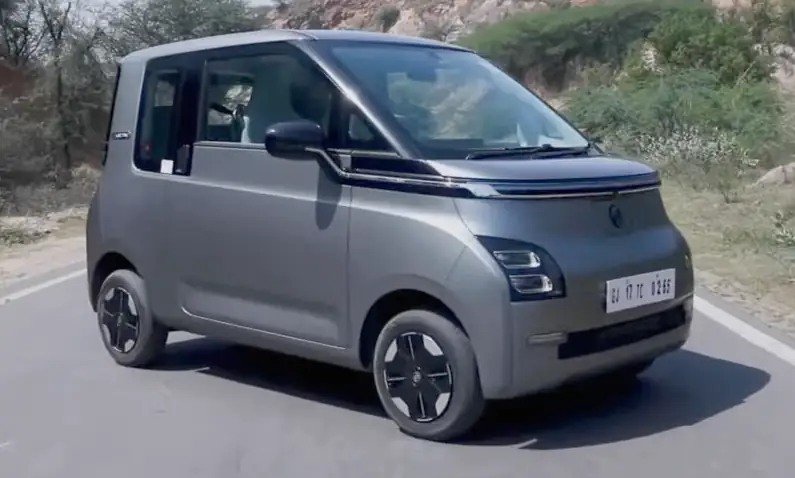
No. The petrol Astor and battery-electric ZS EV have different requirements. Fitment must be established for the specific component, engine, build and equipment.
Should a steering pull be corrected with alignment alone?
Not automatically. Tyres, wheel damage, brakes and suspension condition may contribute. Necessary mechanical repairs come before a final alignment correction.
Does ordinary scanning include guaranteed ADAS or airbag repair?
No. General fault assessment is different from specialist calibration or safety-system repair. Those tasks require confirmed equipment, procedures and qualified competence or referral.
Vehicle and claim reference information
Use the manual for your exact vehicle and the issued insurance policy. These sources provide background and do not establish a workshop authorization or insurer tie-up.