In this guide
Identify the combustion G-Class before borrowing another variant's plan
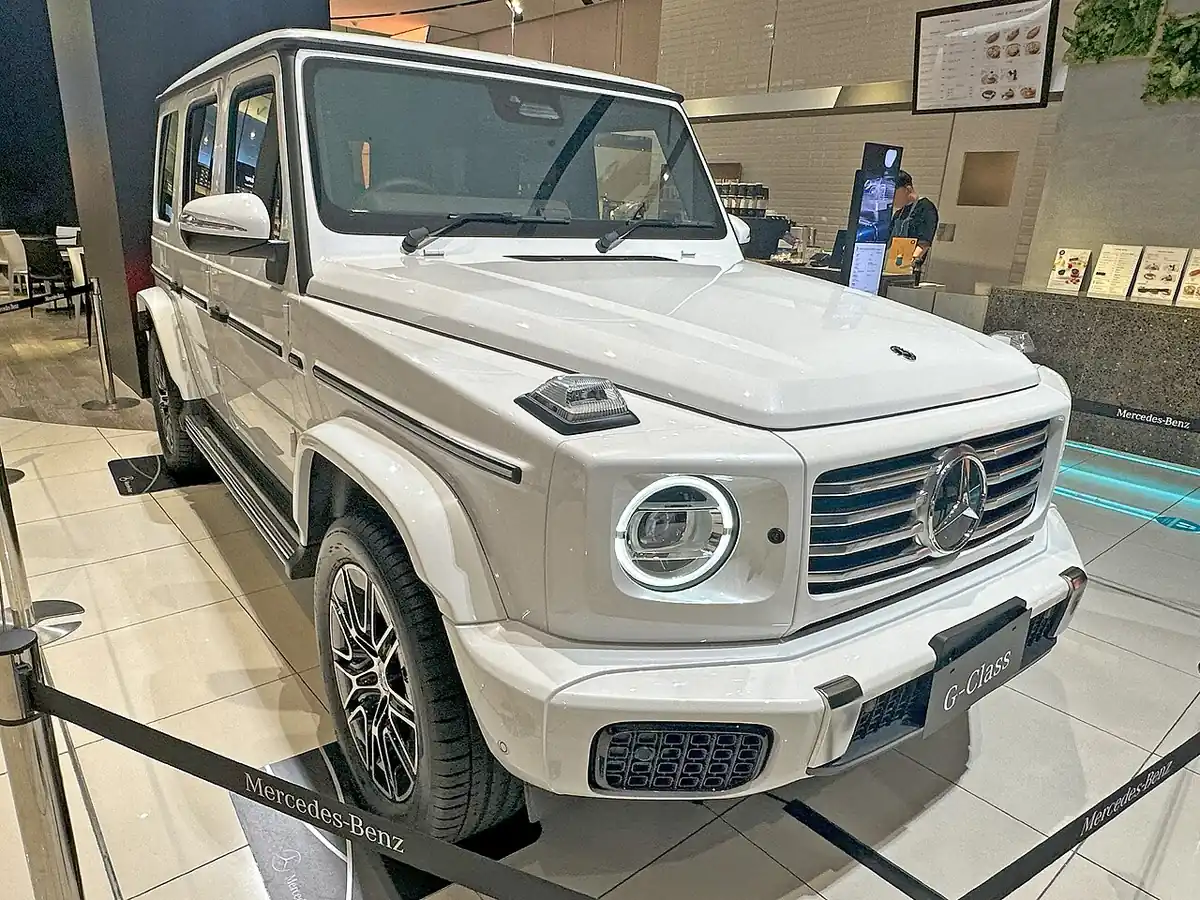
The G-Class owner needs an inspection based on the actual vehicle, not the familiar body outline. Current India non-AMG information highlights the G 450 d diesel, while earlier combustion versions require their own identification. The electric G 580 and AMG G 63 are separate service references. CarTech Hub – Multi-Brand Car Workshop, Guwahati records the VIN, generation, engine, transmission and service history before confirming accepted work.
Tell the advisor about modifications, wheel changes, underbody impacts or previous off-road use. Safe access, lifting requirements and technical scope must be confirmed before an appointment. The workshop does not infer specialist drivetrain capability from the vehicle's off-road reputation.
Service update: use actual usage and manufacturer requirements
The correct handbook and maintenance record should determine lubricant approvals, engine and intake filtration, applicable diesel fuel-system tasks and fluid procedures. Generations and engine variants can differ significantly. A current model's requirements should not be applied automatically to an earlier G-Class, and no universal interval or axle-fluid specification is given for the entire family.
Dust, storage, repeated local journeys and demanding road use can affect inspection priorities. Report relevant water exposure or impacts instead of assuming a clean exterior establishes undamaged components. Official Mercedes-Benz support should handle warranty, recall, campaign and manufacturer-software questions through the VIN. Local maintenance records should reflect actual work completed, not imply manufacturer authorization.
Diagnose diesel, cooling and electrical symptoms carefully
Supported preliminary checks can consider electrical supply, accessible wiring, visible leaks, intake condition and appropriate fault information. A warning is evidence to investigate rather than proof of a failed injector, turbocharger or sensor. Fuel-system specialist work, turbo rebuilding and internal engine repair need separately confirmed equipment and expertise. Emissions equipment should not be removed to conceal an unresolved warning.
For abnormal temperature or fluid loss, inspect the relevant radiator, hoses, pump, thermostat and fan concerns before proposing replacement parts. Cabin airflow and cooling symptoms should be distinguished in an AC enquiry. Electrical or refrigerant procedures are accepted only within confirmed capability, with additional-voltage or advanced thermal concerns referred where required.
Treat drivetrain inspection as a supported scope
A G-Class drivetrain can involve components and controls that require specific technical information. Identify the actual transmission, shafts, joints, axles and transfer-related equipment before selecting a maintenance task. Leaks, vibration or an engagement warning need an appropriate diagnostic route. This guide does not provide off-road operating instructions or promise differential, transfer-case or all-wheel-drive rebuilding.
Tyres, wheels, steering joints, suspension components and bearings can influence the same symptom felt by the driver. Generations should not be assumed to share identical suspension or axle parts. Brake friction and hydraulic condition need model-correct assessment, and serious control or braking concerns may require recovery rather than a test drive. Manufacturer-specific programming is not assumed available at CarTech Hub.
Verify distinctive exterior and mechanical parts
Body familiarity does not prove component interchangeability. G-Class doors, mirrors, glass, bumpers, lamps, trim and fitted accessories need generation and equipment checks. A cosmetic outer part has a different function from its supporting or safety-related components. Required restraint work, calibration or structural assessment must use qualified capability or referral, even where the visible repair appears simple.
For engine mounts, filters, cooling items, sensors or drivetrain parts, provide the VIN and useful existing markings or photographs. Availability, compatibility, price and delivery dates are confirmed after identification and supplier checks. Modified or imported equipment may need an additional specialist discussion before a repair scope or quotation can be finalized.
Plan local care and an accident enquiry responsibly
Before longer trips into Northeast India, resolve known tyre, steering, braking, lighting and visibility concerns. Record impacts or water exposure before ordinary service handling is accepted. A useful inspection should explain its findings and limits, with no claim that routine checks certify every off-road, electronic or drivetrain function.
CarTech Hub can discuss applicable G-Class body repair and motor-insurance documentation in Guwahati. Cashless availability depends on policy terms, survey, insurer approval and confirmed workshop or network arrangements. Deductions and non-covered items can remain payable. Use the paired accident guide and official insurer links, then book, call or WhatsApp the actual vehicle details to confirm supported work and safe arrival.
Official insurer claim channels
Mercedes-Benz policy evidence and official claim channels: a general motor policy or an EV product page does not prove acceptance of this premium vehicle, approved parts, battery cover or CarTech Hub cashless eligibility. Confirm registration, declared use, insured value and repair scope with the insurer.
Choose your insurer’s official claim-intimation link. Submit policy and identity information directly through the insurer’s approved channel. Its process and cashless authorization remain subject to your policy and the assessed claim.
Quick answers
Can the electric G 580 service menu be applied to a diesel G-Class?
No. Identify the actual combustion variant and generation. Electric G 580 and AMG G 63 have distinct service references and equipment.
Does an off-road badge establish transfer-case rebuilding capability at CarTech Hub?
No. Specialist drivetrain work needs confirmed technical information, equipment and expertise. Supported inspection or referral may be the appropriate scope.
Why disclose wheel changes or other modifications?
They can affect safe access, parts compatibility, diagnosis and the insurance discussion. Describe changes before the workshop accepts the job.
Vehicle and claim reference information
Use the manual for your exact vehicle and the issued insurance policy. These sources provide background and do not establish a workshop authorization or insurer tie-up.