In this guide
A rear-end repair begins with closure and alignment
After a rear impact, owners often notice a dented bumper before noticing a tailgate that needs extra force to close. The two observations should be recorded together. CarTech Hub – Multi-Brand Car Workshop, Guwahati assesses Citroën rear bumper enquiries in the context of the surrounding bodywork, rather than treating every rear collision as a paint-only job. The position of the strike and any changes in tailgate operation help determine what needs inspection.
Photograph the vehicle before cleaning away evidence, when safe to do so. Include a full rear view, both corners and any warning or lamp damage. Keep the incident description factual. If a loose cover is dragging, a tyre is rubbing or lights no longer work, request guidance on recovery rather than assuming the vehicle is suitable for normal road use.
Components behind the rear cover
The visible bumper cover relies on side guides, fasteners and supporting components. A corner can look almost straight while its attachment rail is broken. Inspection should check the lower trim, reflectors, wheel-arch interfaces, lamp edges and nearby weather seals as applicable to the model. When parking sensors or other equipment are fitted, record their presence before preparing the estimate; do not assume all variants use identical components.
Rear impacts can also disturb the tailgate opening, boot floor edge or rear panel. New water entry, wind noise or an uneven tailgate gap deserves investigation. On an EV, underbody involvement requires an appropriate safety assessment before ordinary body work proceeds. CarTech Hub does not advertise traction-battery repair or high-voltage diagnosis through this bumper service.
Repairable cover or replacement assembly?
Surface scratches, local distortion and torn attachment areas call for different decisions. The material, condition of the mounting points and manufacturer repair guidance matter more than a single photograph. A cover repaired at its visible face but still insecure at the side is an incomplete outcome. Cracked reflectors and deformed supports should appear separately in the estimate instead of disappearing within a general painting charge.
Replacement may be appropriate when the cover cannot be restored with sound fit and function. This does not mean every component behind it requires replacement. CarTech Hub discusses findings, available compatible parts and the repair route. If removal reveals damage not visible at intake, work should pause for the required supplementary estimate and authorization.
Model identification avoids the wrong rear parts
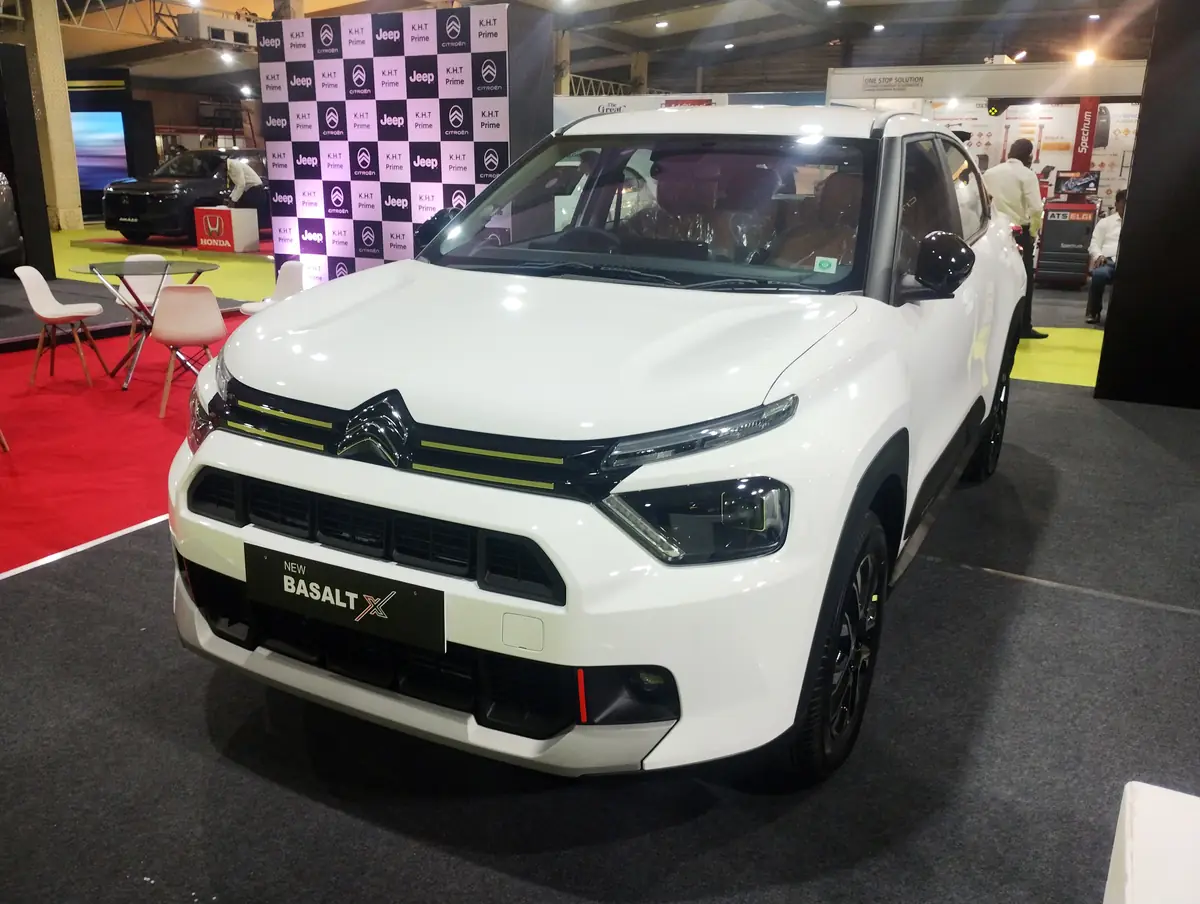
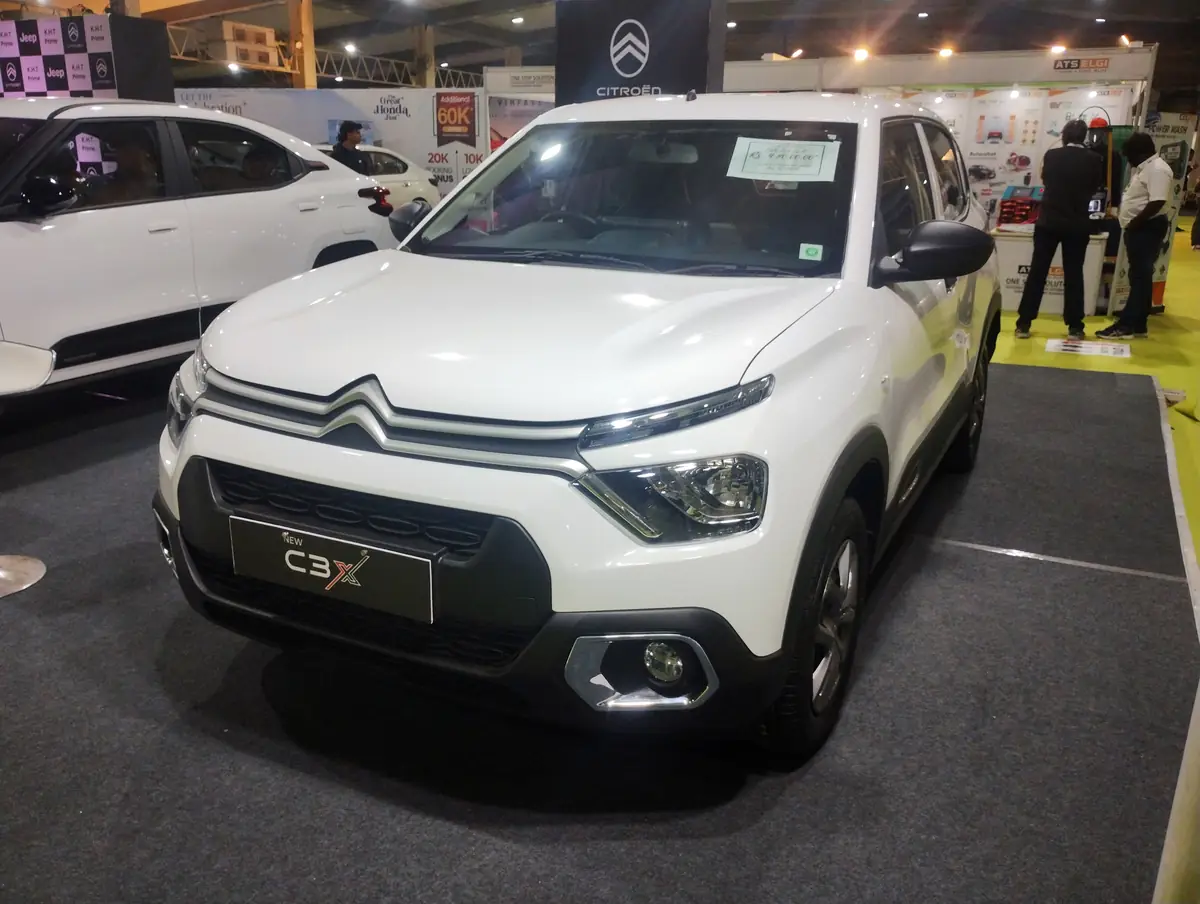
The rear profile of a Basalt differs from an Aircross; C5 Aircross variants and C3-family updates also need exact identification. Confirm the VIN, production details, trim and installed equipment before ordering a cover, reflector, lower finisher or sensor bracket. Part availability, technical compatibility, price and delivery time will be confirmed after vehicle and variant verification. A broadly similar exterior is not evidence that a part will fit correctly.
Refinishing and checks before handover
Painting should address the repaired area with suitable preparation and a discussed colour-match approach. Textured lower trim should not automatically receive body-colour paint. Refitting checks include bumper security, panel gaps, tailgate opening and latching, affected lights, number-plate visibility and clearance around moving parts. Where water entry was part of the complaint, the repair plan should identify the relevant sealing checks rather than merely masking the symptom.
How an insurance claim fits the repair
CarTech Hub Multi-Brand Car Workshop, Guwahati provides Citroën accident repair and motor insurance claim assistance. Cashless repair availability is subject to insurer approval, policy terms, vehicle survey and confirmed workshop/network eligibility.
Notify the insurer with the date, location and description of the rear impact. Keep the policy, RC, driver's licence and photographs ready, together with any additional KYC or police records requested for the event. CarTech Hub can help organize the estimate and inspection information. The insurer determines whether the loss is admissible and whether a survey or supplementary inspection is required before repair authorization.
Ask what the settlement leaves to you. Deductibles, depreciation, non-covered materials and previous unrelated scratches may not be included. Reimbursement and cashless settlement have different payment arrangements; neither removes the need to confirm the approved scope. Final photographs, repair documents and any insurer reinspection can be part of completion. Procedure and timing depend on the insurer, policy, damage and parts availability.
Book rear bumper inspection at CarTech Hub
Send photographs and explain any tailgate, lighting or water-entry concern through Book Service. Read the Citroën model section and accident repair information for related support. Use Insurance Claim Enquiry for repair coordination and the official claim directory for insurer reporting. The contact and directions section, Call Now and WhatsApp controls provide a direct route to the Guwahati workshop. For workshop feedback and the review options, see Google Reviews information.
Official insurer claim channels
Choose your insurer’s official claim-intimation link. Submit policy and identity information directly through the insurer’s approved channel. Its process and cashless authorization remain subject to your policy and the assessed claim.
Quick answers
Why does my tailgate feel different after a rear bumper impact?
The impact may have affected more than the outer cover. The opening, latch alignment, rear panel and seals need inspection before deciding the repair scope.
Does an insurer cover old scratches during a rear bumper claim?
Unrelated pre-existing marks should be disclosed and separated from the new accident damage. The insurer decides which operations are covered.
Can rear parking equipment be transferred to another cover?
Fitment depends on the exact cover, brackets and equipment. It should be checked during parts identification rather than assumed.
Vehicle and claim reference information
Use the manual for your exact vehicle and the issued insurance policy. These sources provide background and do not establish a workshop authorization or insurer tie-up.