In this guide
Identify the affected rear lamp section
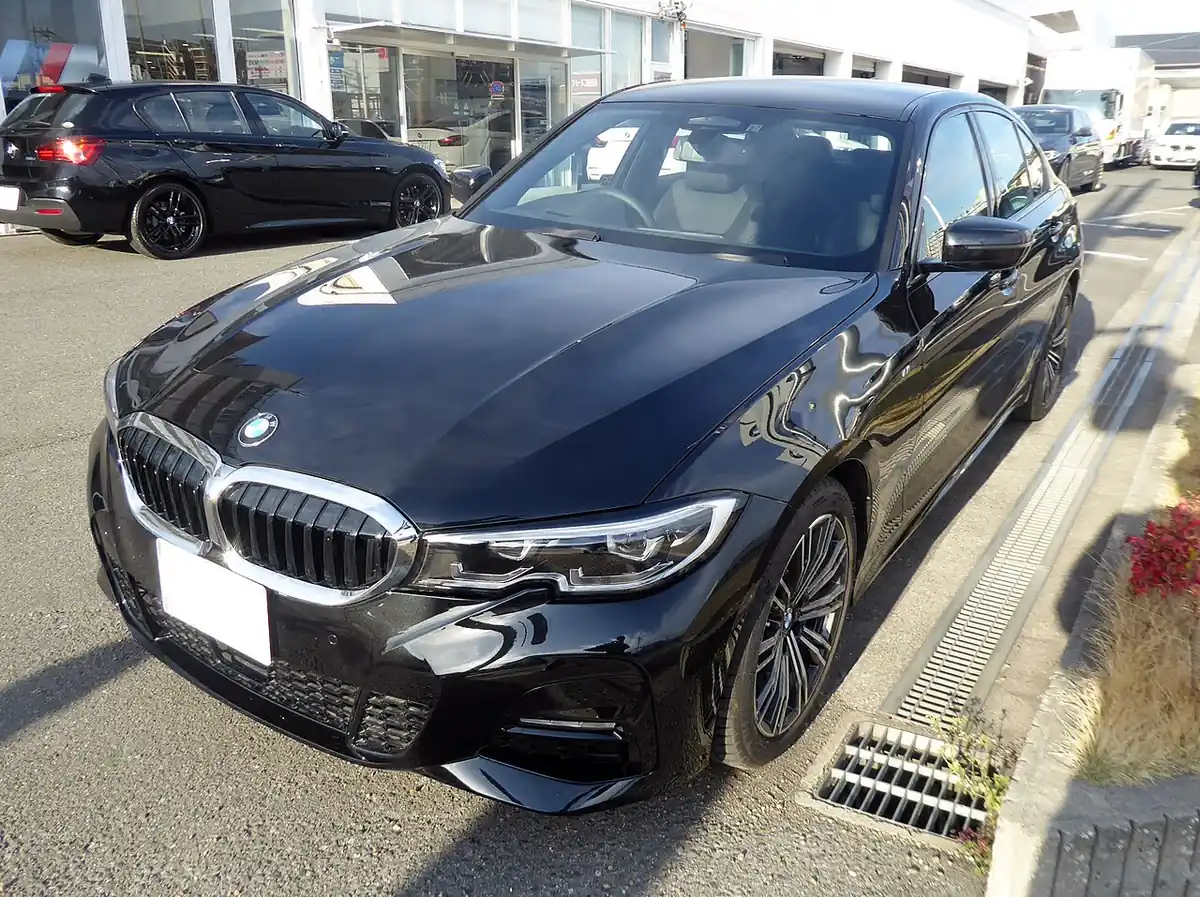
An older or newer 3 Series can present different rear lighting arrangements, so a tail-light enquiry should name the side and location before requesting parts. CarTech Hub – Multi-Brand Car Workshop, Guwahati records the VIN, body and generation together with the incident. Describe a broken surface, warning message, intermittent function or water entry, and provide a wider rear photograph to locate the component accurately.
The body-mounted section and a closure-mounted section, where fitted, can be different assemblies. A seller's description of a full rear lamp set should not replace component identification. The workshop needs to confirm the actual application and supported diagnostic work before accepting a complete repair rather than promising that any lamp labelled 3 Series will fit.
Examine the reason for movement or moisture
Inspection should consider housing condition, attachment points, sealing and the relationship to nearby body surfaces. If the rear panel or luggage closure shifted in the accident, a new lamp alone may not restore correct fit. Record the initial condition before changes are made so the repair decision and claim evidence remain traceable.
Moisture following a crack or impact should not automatically be dismissed as normal condensation. The cause needs appropriate assessment. Electrical connections and wiring may also require qualified investigation. CarTech Hub does not claim every BMW programming or electronic repair procedure; any specialist requirement should be explained instead of repeatedly swapping parts without a supported diagnosis.
Specify compatible parts and the supply package
Generation, body form, position and lighting equipment determine the component requirement. A saloon, touring-style body or another generation should not be treated as an interchangeable source based only on exterior similarity. Use the actual vehicle and verified part application before ordering. The owner should know when identification is still pending.
The quote should distinguish the lamp assembly, seals, trim, fittings and associated equipment. Reuse requires inspection rather than an automatic decision. CarTech Hub confirms availability, price and delivery once the application is known. A used lamp needs condition and equipment checks, while an incomplete assembly should not be compared with a complete supplied solution without explaining the difference.
Agree on the repair method and safe preparation
Applicable manufacturer information determines whether a damaged area has a suitable repair method or requires replacement. Sealing, optical function and secure attachment matter alongside appearance. A cosmetic patch is not a complete answer if the housing or mounting cannot meet the required condition. Related paint repairs should be identified separately.
Actual electrical architecture must be verified before affected lamp removal, body work and refinishing. Qualified personnel must establish manufacturer-required safety clearance and any necessary isolation; older and electrified builds must not be assumed identical. This guide supplies no owner isolation instructions and advertises no unverified 48V, high-voltage, coding or advanced diagnostic capability.
Give the insurer a clear scope and evidence
Use the official motor reporting route to register the incident and retain its reference. Provide the policy schedule, registration and driver information, photographs and an accurate account. The insurer can ask for its form, a survey or additional evidence, including police records where relevant. Identify old electrical concerns separately from the reported accident.
The estimate should describe the affected section, required fittings, labour and supported specialist or body work. Obtain necessary survey and authorization before repair or replacement. Findings revealed during permitted access may require a photographed supplement and another decision. The first approval should not be treated as permission to replace the entire rear-light set or upgrade the vehicle's equipment.
Confirm cashless eligibility and final checks
Cashless settlement depends on policy terms, survey findings, insurer approval and a confirmed arrangement for CarTech Hub. No insurer partnership is assumed from its public product page. Deductibles, depreciation, consumables and excluded items may remain payable. Optional covers should be read for their actual conditions rather than described as unrestricted payment for every rear equipment fault.
At collection, review the agreed lighting functions, fitting and sealing checks together with any necessary specialist records. Keep outstanding or referred work visible in the job description. Consult BMW insurance guidance, send an insurance enquiry or book a supported inspection. CarTech Hub in Guwahati confirms the appropriate lamp and repair scope after assessment.
Official insurer claim channels
BMW policy evidence and official claim channels: a general motor policy or an EV product page does not prove acceptance of this premium vehicle, approved parts, battery cover or CarTech Hub cashless eligibility. Confirm registration, declared use, insured value and repair scope with the insurer.
Choose your insurer’s official claim-intimation link. Submit policy and identity information directly through the insurer’s approved channel. Its process and cashless authorization remain subject to your policy and the assessed claim.
Quick answers
Does a rear lamp set always mean all sections are supplied together?
No. Body-mounted and closure-mounted sections can be separate applications, and the quotation should identify what is actually included.
Should water entry after a tail-light impact be ignored?
No. Housing, seals, mountings and nearby body fit need assessment to identify the actual cause and suitable remedy.
Is replacing every rear light automatically part of a single-section claim?
No. The insurer decides the approved accident scope; unrelated replacement or equipment changes need separate consideration.
Vehicle and claim reference information
Use the manual for your exact vehicle and the issued insurance policy. These sources provide background and do not establish a workshop authorization or insurer tie-up.